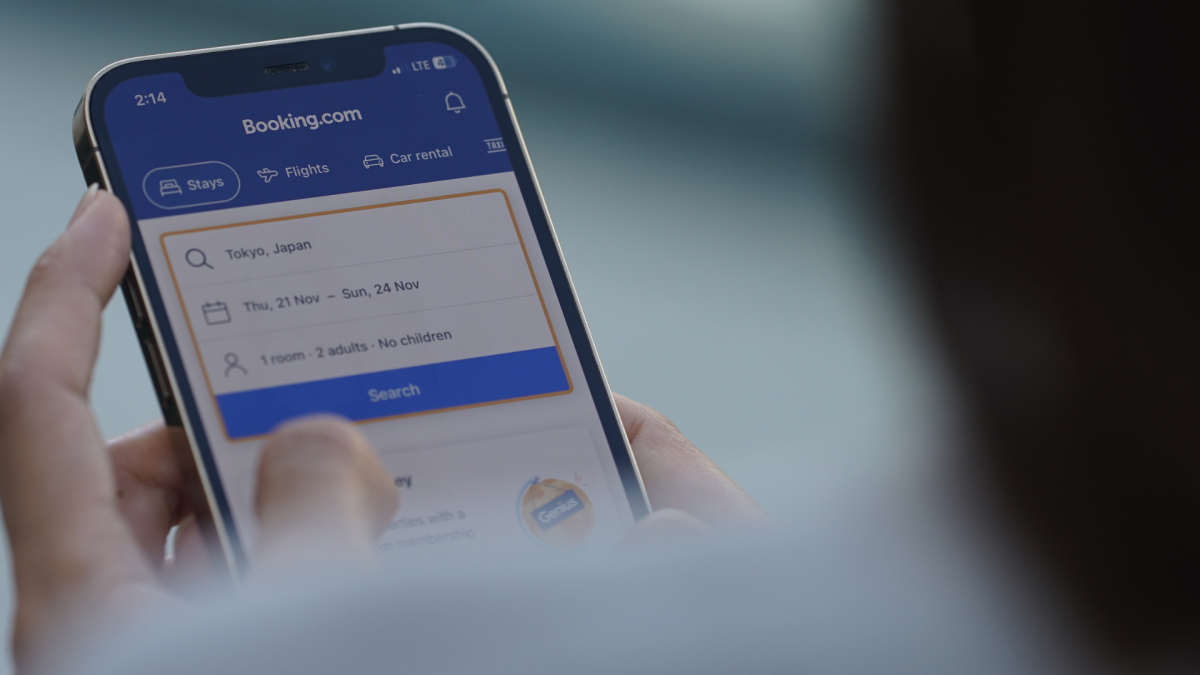













Beware of Fake Booking.com Websites: Protect Yourself from Travel Scams
Planning your next vacation? You’re likely using popular platforms like Booking.com to find the perfect accommodation. But be warned: scammers are creating convincing fake Booking.com websites to steal your money and personal information. Understanding how these scams work is crucial to protecting yourself and ensuring a smooth travel experience.
These fraudulent websites often mirror the real Booking.com, using similar logos, layouts, and even property listings. The goal is to trick you into entering your credit card details or other sensitive information under the false impression that you’re booking through the legitimate platform. Once they have your data, they can use it for identity theft, credit card fraud, or other malicious purposes.
How the Scam Works:
Scammers typically lure victims to fake websites through phishing emails, SMS messages, or misleading search engine results. These messages may contain urgent calls to action, such as limited-time offers or claims that your booking requires immediate payment confirmation. Clicking on the link takes you to the fake website, which is designed to look as authentic as possible.
Once on the site, you might be prompted to enter your payment information to secure your booking. Alternatively, you may receive emails or messages requesting direct bank transfers to "verify" your identity or complete the booking. This is a major red flag, as legitimate booking platforms typically process payments securely through their own systems.
Protecting Yourself from Fake Booking.com Websites:
Staying safe requires vigilance and a few simple precautions:
- Always Double-Check the URL: Before entering any personal or financial information, carefully examine the website address. Look for subtle misspellings or variations in the domain name. The official Booking.com website is Booking.com.
- Beware of Suspicious Emails and Messages: Be wary of emails or messages containing urgent requests for payment or personal information. Scammers often use these tactics to create a sense of urgency and pressure.
- Verify Website Security: Look for the padlock icon in the address bar, which indicates a secure connection. This means that your data is encrypted as it travels between your computer and the website.
- Book Directly Through the Booking.com App or Website: To minimize the risk of encountering fake websites, book directly through the official Booking.com app or by typing the address directly into your browser.
- Trust Your Instincts: If something feels off, trust your gut. If a deal seems too good to be true or if you’re pressured to make a payment immediately, it’s best to err on the side of caution and avoid the website altogether.
- Report Suspicious Activity: If you encounter a fake Booking.com website or receive a suspicious email or message, report it to Booking.com and the relevant authorities. This will help them take action to protect others from falling victim to the scam.
By staying informed and taking these precautions, you can significantly reduce your risk of being scammed by fake Booking.com websites and enjoy a safe and stress-free travel experience. Your security is paramount when booking online. Stay vigilant, stay informed, and travel smart.
Key Points:
The article does not provide any Key Performance Indicators (KPIs), revenue numbers, data points, facts or figures. It only provides safety and scam information.
Read the Complete Article.



