










Sail Through Time: Discover the Timeless Wonders of Upper Egypt Aboard Kenzy Dahabeya
Experience the magic of the Nile aboard Kenzy Dahabeya, a luxury boutique sailing cruise that offers an unforgettable journey between...
Read moreDetails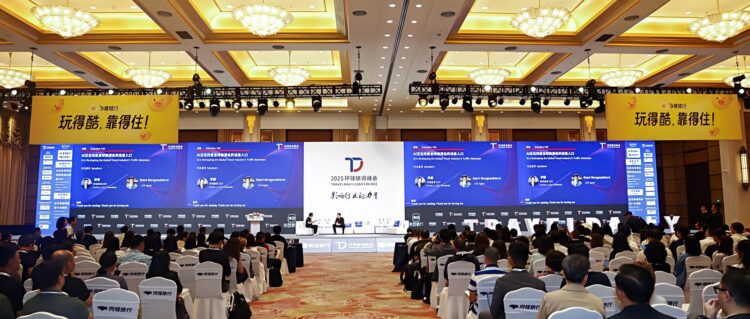
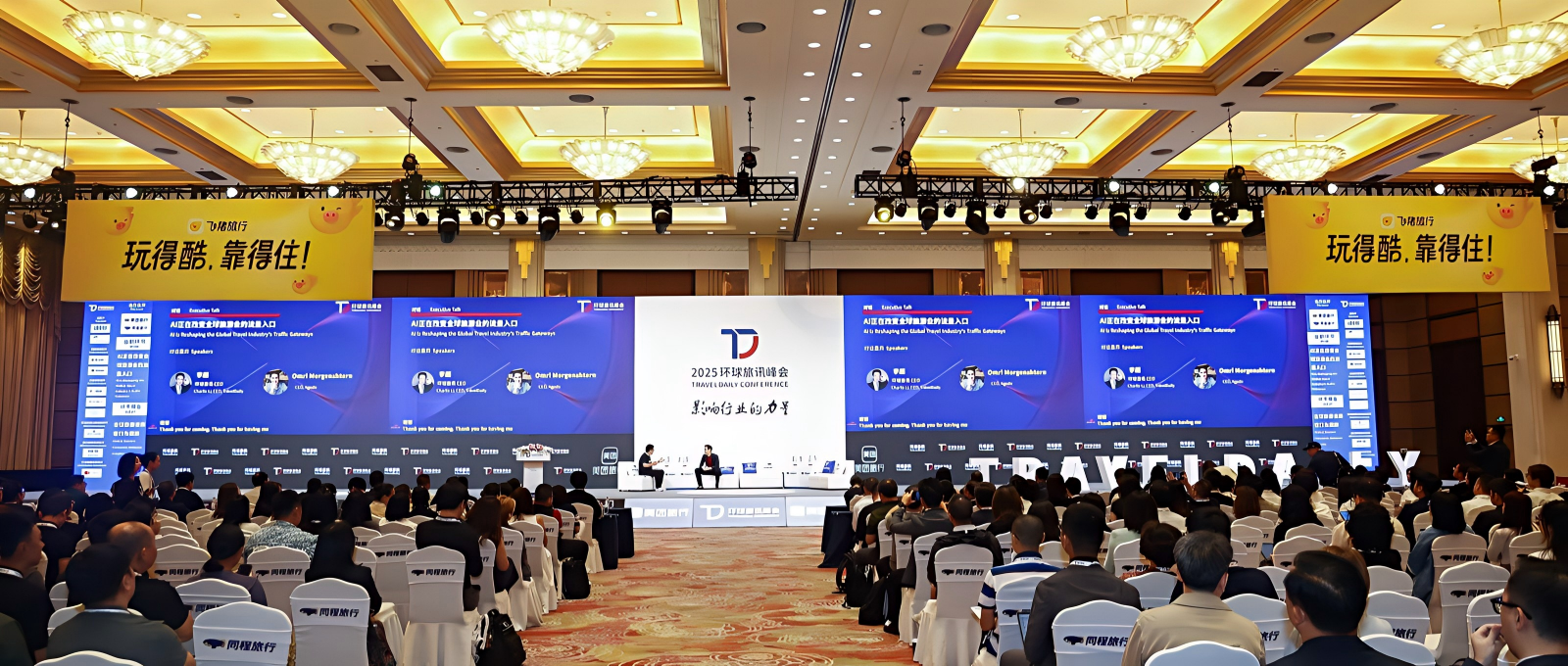
China Travel Is Changing | TravelDaily Conference 2026 Launches
Comprehensive Summarization:
In 2026, the travel market in China is undergoing significant changes, as highlighted in the article from China Travel News. The theme of the event is “Change,” reflecting the evolving dynamics within the industry. Key developments include the redefinition of relationships between Online Travel Agencies (OTAs) and suppliers, moving from a friction-based model to one of co-creation. This shift is driven by advancements in AI-powered recommendation engines, trip-planning tools, and new traffic gateways, which are transforming how travelers discover and book travel. Suppliers are finding new avenues to acquire customers, while platforms face challenges in maintaining the traditional traffic dividend. The article emphasizes the need for platforms and suppliers to collaborate more effectively, focusing on how they can co-create value rather than simply contesting for market dominance.
Key Points:
Revised OTA-Supplier Relationships: The article discusses a shift in the dynamics between OTAs and suppliers, moving from a competitive model to one of co-creation. This change is facilitated by technological advancements such as AI-powered recommendation engines and new traffic gateways.
AI and Technology Impact: AI-powered tools are reshaping the travel discovery and booking process, offering new opportunities for both travelers and suppliers. These technologies are redefining how travel services are marketed and delivered.
Margin Distribution Tensions: Suppliers are increasingly reliant on OTA channels, leading to tensions around margin distribution. This shift highlights the need for platforms and suppliers to find new ways to collaborate and share value.
Focus on Co-Creation: The article stresses the importance of shifting focus from who holds the upper hand in OTA-supplier relationships to how platforms and suppliers can work together to create new value and opportunities.
Actionable Takeaways:
Embrace AI and Technology: Travel companies should invest in AI-powered tools and technologies to enhance customer discovery and booking experiences. This shift not only improves operational efficiency but also opens new avenues for customer engagement and retention.
Collaborative Partnerships: OTAs and suppliers should explore collaborative partnerships to redefine their relationship dynamics. By focusing on co-creation, both parties can benefit from shared growth opportunities, leading to more sustainable and mutually beneficial business models.
Address Margin Distribution: Suppliers need to address the challenges of margin distribution with OTAs. Developing transparent and fair revenue-sharing models can help maintain strong supplier relationships and ensure long-term business stability.
Contextual Insights:
The article reflects the ongoing transformation in China’s travel market, driven by technological advancements and shifting market dynamics. The emphasis on AI and co-creation aligns with broader industry trends towards digital transformation and customer-centric approaches. As the travel sector continues to evolve, companies that adapt to these changes—by leveraging technology and fostering collaborative partnerships—will be better positioned to succeed in the competitive landscape. The insights provided in the article underscore the importance of innovation and strategic collaboration in navigating the future of the travel industry.
Read the Complete Article.
Experience the magic of the Nile aboard Kenzy Dahabeya, a luxury boutique sailing cruise that offers an unforgettable journey between...
Read moreDetails



