
Travel Trends Q3 2026 reports demand returns as summer peaks
THE NEWS: Las Vegas saw travel searches surge 120% year‑on‑year for Labor Day weekend (Sep 4‑7), while overall U.S. Labor Day weekend...
Read moreDetails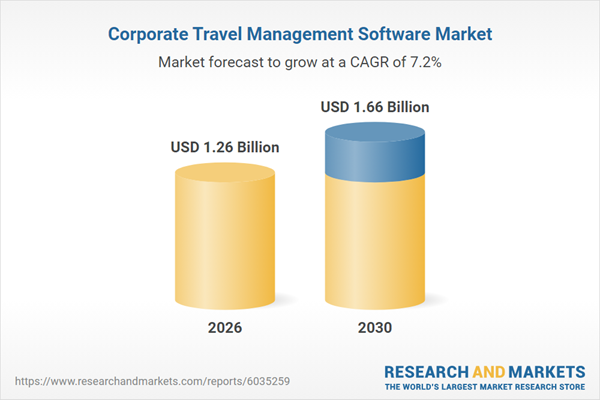
Corporate Travel Management Software Market Report
Comprehensive Summarization:
The “Corporate Travel Management Software Market Report 2026” has been added to ResearchAndMarkets.com’s offering. This report provides vital statistics on the global corporate travel management software market, including its size, regional dynamics, and detailed competitor analytics. The market has been experiencing robust growth, with its value predicted to expand from $1.17 billion in 2025 to $1.26 billion in 2026, at a Compound Annual Growth Rate (CAGR) of 7.5%. This growth is attributed to the shift away from manual travel management, increased business travel volumes, the need for cost reduction, and the early adoption of digital solutions that emphasize travel policy compliance. Looking ahead, the market is expected to reach $1.66 billion by 2030, with a CAGR of 7.2%. Key growth drivers include the integration of AI and machine learning for travel optimization, cloud-based platforms, real-time data analytics, mobile-first management, and prioritization of travel policy compliance.
Key Points:
Actionable Takeaways:
Contextual Insights:
The corporate travel management software market’s growth is deeply rooted in the ongoing digital transformation across industries, particularly in the travel sector. The shift from manual to digital solutions is a response to the need for efficiency, cost reduction, and compliance with travel policies. The integration of AI and machine learning represents a significant technological advancement, enabling more sophisticated travel optimization and personalized travel experiences. As the market is expected to reach $1.66 billion by 2030, it is clear that the adoption of these technologies will continue to be a critical factor in market expansion. For startups and established players in the travel tech sector, focusing on these areas can provide a competitive edge and capitalize on the growing demand for innovative travel management solutions.
Read the Complete Article.
THE NEWS: Las Vegas saw travel searches surge 120% year‑on‑year for Labor Day weekend (Sep 4‑7), while overall U.S. Labor Day weekend...
Read moreDetails

Experience the magic of the Nile aboard Kenzy Dahabeya, a luxury boutique sailing cruise that offers an unforgettable journey between...
Read moreDetails