Beit Kofan, the first private guesthouse in Oman’s Dhofar Governorate, is being promoted as a distinctive model that blends heritage preservation with sustainable tourism, leveraging a historic house built around 150 years ago in the coastal town of Taqah.
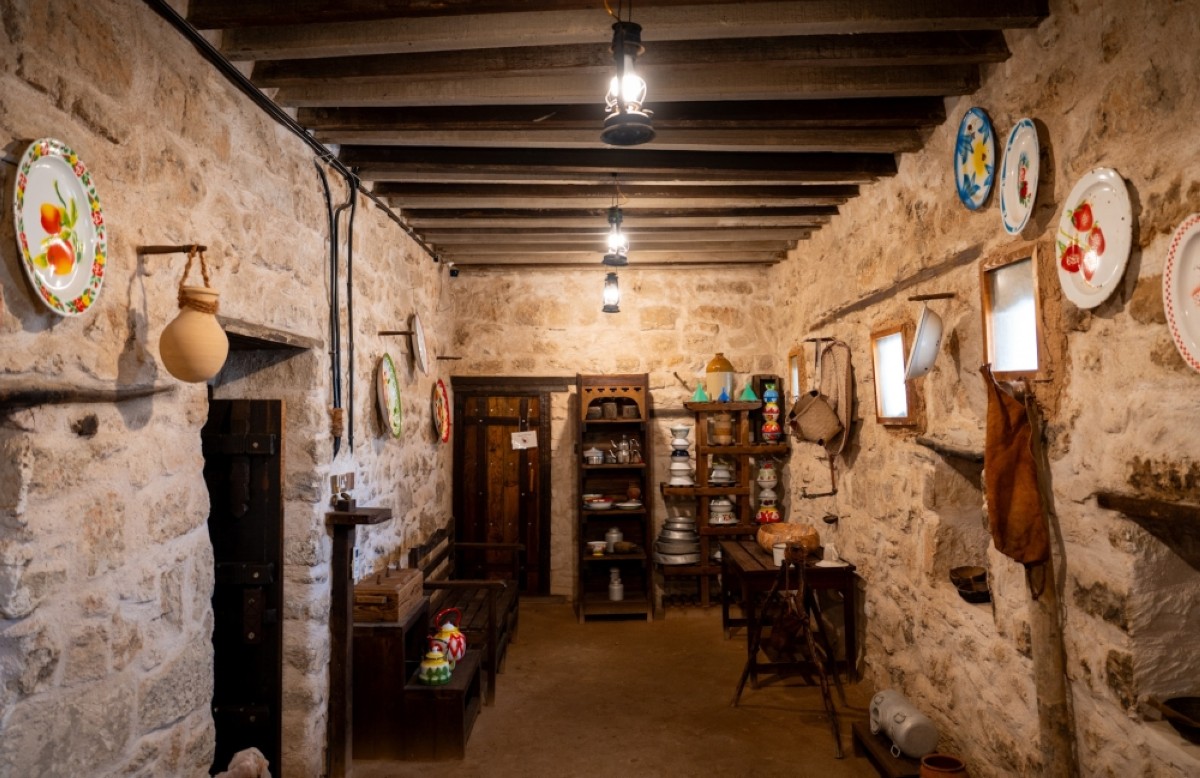
- The guesthouse houses hundreds of artifacts and household items that document daily life and family relationships, drawing interest from researchers and anthropologists worldwide.
- Its traditional architecture utilizes locally sourced stone, red clay and wood harvested from the Taqah Mountains, reflecting longstanding Dhofar building techniques.
- Beit Kofan is recognised as a living repository of local memory, linking past character with present aspirations.
TRADE CONTEXT: The Beit Kofan model demonstrates a commercially viable approach to sustainable tourism that preserves cultural heritage while attracting niche research and heritage tourism segments.
FAQ
- What is Beit Kofan’s significance in Dhofar’s tourism landscape?
It is the first private guesthouse in Dhofar Governorate, showcasing a heritage‑driven sustainable tourism model that preserves a 150‑year‑old historic house.
- What types of visitors does Beit Kofan attract?
Beyond tourists, the property attracts researchers and anthropologists interested in the region’s commercial and social history due to its extensive artifact collection.
Read Original Article.