













Article Summary:
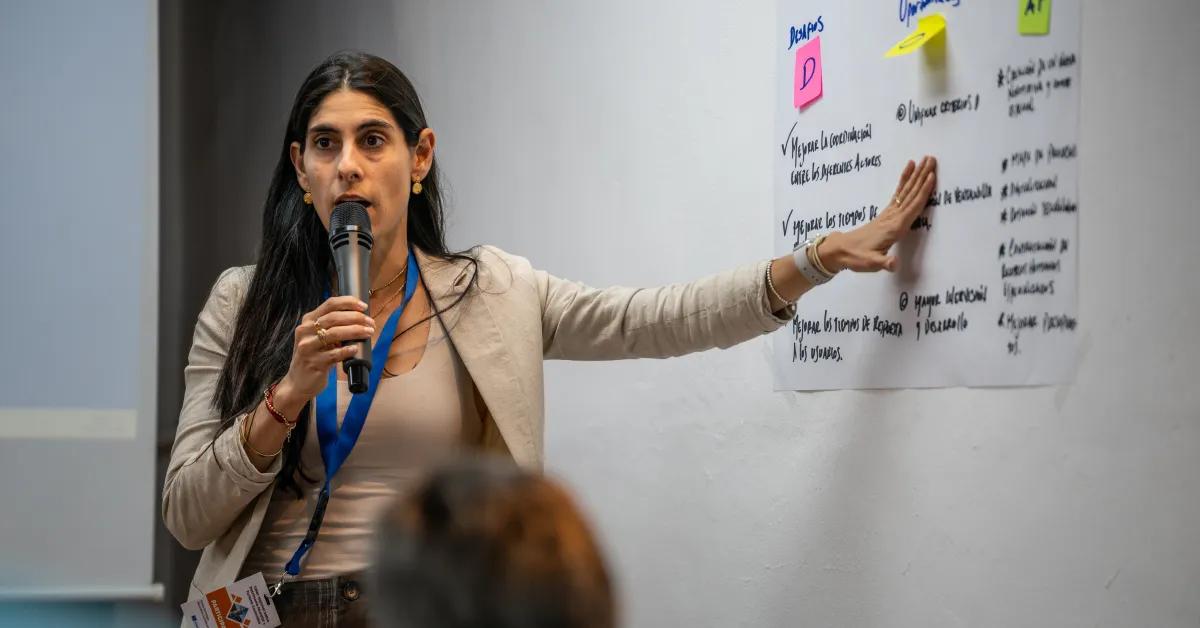
The article discusses a UNESCO workshop focused on integrating intangible cultural heritage with urban planning to support the transmission and viability of living heritage in World Heritage sites. The workshop engaged local experts from Santo Domingo, Dominican Republic; Trinidad, Cuba; and Oaxaca, Mexico, to explore how World Heritage sites can play a role in supporting cultural heritage. Key discussions included the importance of collaboration with local practitioners and community groups for an inclusive approach to tourism management. Examples from the three cities were shared, highlighting UNESCO’s efforts to link living heritage safeguarding with urban priorities such as sustainable tourism, climate change adaptation, and the revitalization of local crafts in historic centers.
Key Points:
- UNESCO workshop focused on integrating intangible cultural heritage with urban planning to support living heritage in World Heritage sites.
- Key cities highlighted: Santo Domingo, Dominican Republic; Trinidad, Cuba; and Oaxaca, Mexico.
- Importance of collaboration with local practitioners and community groups for inclusive tourism management.
- UNESCO workshops emphasized linking living heritage safeguarding with sustainable tourism, climate change adaptation, and the protection of green spaces.
- Examples from the three cities showcased successful integration of cultural heritage with urban priorities.
Actionable Takeaways:
-
Inclusive Tourism Management: Collaborate with local practitioners and community groups to ensure an inclusive approach to tourism management in World Heritage sites. This approach can enhance the authenticity of tourist experiences while supporting local economies and preserving cultural heritage.
-
Sustainable Tourism Integration: Incorporate sustainable tourism practices in urban planning to align with broader urban priorities such as climate change adaptation and the protection of green spaces. This can help in creating resilient cities that balance tourism growth with environmental sustainability.
-
Cultural Revitalization: Promote the revitalization of local crafts and cultural practices in historic centers as part of urban planning. This can contribute to the preservation of intangible cultural heritage and provide economic opportunities for local artisans and communities.
Contextual Insights:
The article reflects current industry trends towards sustainable and inclusive tourism, emphasizing the importance of integrating cultural heritage with urban development. The focus on UNESCO workshops and the collaboration with local practitioners aligns with the growing emphasis on responsible tourism practices. The integration of living heritage with urban planning highlights a forward-looking perspective on how travel and tourism can contribute positively to local economies and cultural preservation. This approach is particularly relevant in the context of emerging travel trends that prioritize authenticity, sustainability, and community engagement. As the travel industry continues to evolve, such initiatives can serve as models for balancing economic growth with cultural and environmental stewardship.
Read the Complete Article.



