












Comprehensive Summarization:
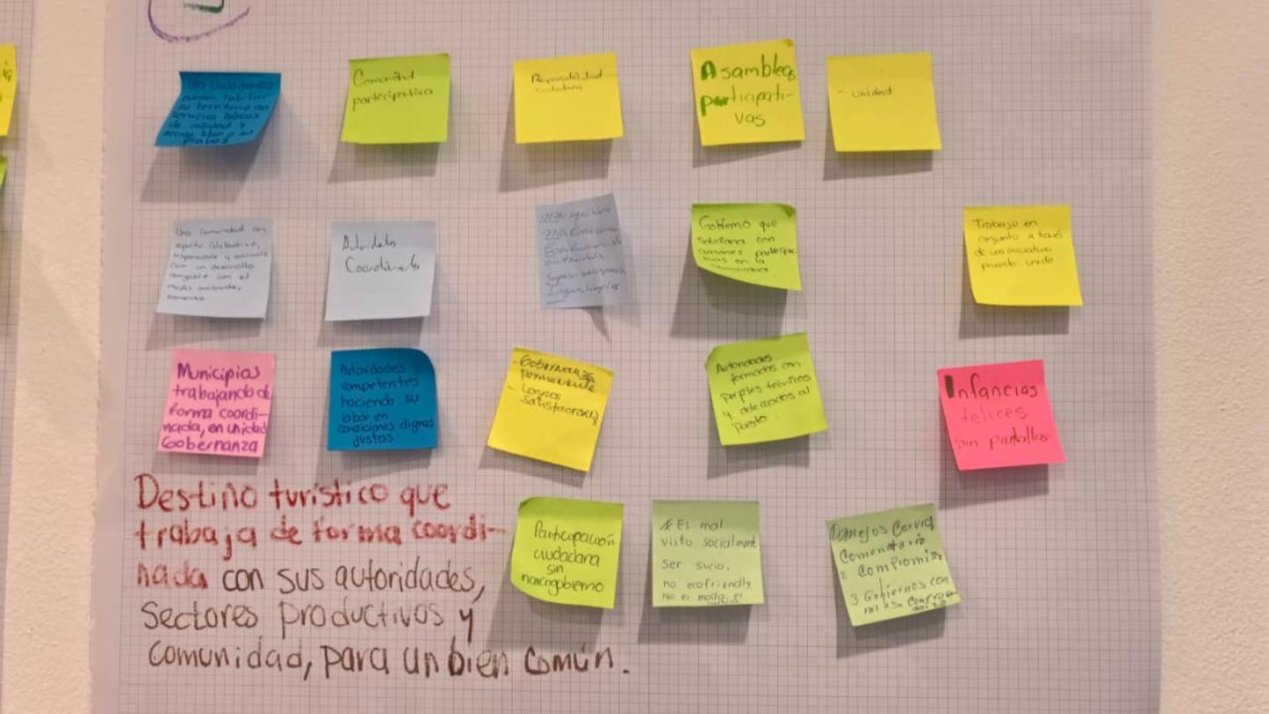
The United Nations Development Programme (UNDP) in Mexico, in collaboration with Oaxaca’s Ministry of Tourism and WWF Mexico, is launching the Kuxatur project to integrate biodiversity conservation into the state’s tourism sector. This initiative aims to develop new sustainability metrics and financing mechanisms through a strategy that includes both virtual and in-person sessions. The workshop, attended by representatives from state and municipal tourism authorities, hotel associations, academic institutions, and civil society organizations, focuses on creating a set of sustainability indicators aligned with biodiversity conservation criteria. The goal is to strengthen tourism development through an integrated approach to operations, management, evaluation, and monitoring.
Key Points:
- UNDP, Oaxaca’s Ministry of Tourism, and WWF Mexico are collaborating on the Kuxatur project to integrate biodiversity conservation into Oaxaca’s tourism sector.
- The Kuxatur project aims to develop new sustainability metrics and financing mechanisms for the tourism industry.
- The initiative includes a workshop that brought together representatives from various sectors to develop sustainability indicators aligned with biodiversity conservation criteria.
- The workshop utilized both virtual and in-person sessions to facilitate collaboration among state and municipal tourism authorities, hotel associations, academic institutions, and civil society organizations.
- The project seeks to strengthen tourism development through an integrated approach to operations, management, evaluation, and monitoring.
Actionable Takeaways:
-
Sustainability Integration in Tourism: The Kuxatur project demonstrates a forward-thinking approach to integrating biodiversity conservation into tourism development. Travel businesses and tourism authorities in Oaxaca can adopt similar sustainability metrics and financing mechanisms to enhance their environmental impact and appeal to eco-conscious travelers. This initiative could set a precedent for other regions looking to balance tourism growth with ecological preservation.
-
Collaborative Approach to Sustainability: The involvement of multiple stakeholders, including government bodies, tourism associations, academic institutions, and civil society organizations, highlights the importance of a collaborative approach in achieving sustainability goals. Travel companies and startups in the travel tech sector should consider fostering partnerships across sectors to drive innovation in sustainability practices and financing models.
-
Virtual and In-Person Collaboration: The use of both virtual and in-person sessions in the workshop indicates a flexible approach to stakeholder engagement. Travel businesses can leverage similar hybrid models to engage with stakeholders, share insights, and develop joint sustainability initiatives. This approach can enhance communication, foster innovation, and ensure broader stakeholder buy-in for sustainability projects.
Contextual Insights:
The Kuxatur project aligns with current industry trends towards sustainable tourism and the integration of biodiversity conservation into economic activities. As travelers become increasingly environmentally conscious, destinations that prioritize sustainability are likely to attract more eco-conscious tourists. The project’s focus on developing sustainability indicators and financing mechanisms reflects a broader industry shift towards responsible tourism practices. For travel startups and fintech innovators, this initiative presents an opportunity to develop financial products and services that support sustainable tourism projects, such as green financing for eco-friendly accommodations or conservation projects. By aligning with the Kuxatur project’s goals, these entities can contribute to the development of a more sustainable and resilient tourism sector in Oaxaca and beyond.
Read the Complete Article.



