






Sail Through Time: Discover the Timeless Wonders of Upper Egypt Aboard Kenzy Dahabeya
Experience the magic of the Nile aboard Kenzy Dahabeya, a luxury boutique sailing cruise that offers an unforgettable journey between...
Read moreDetails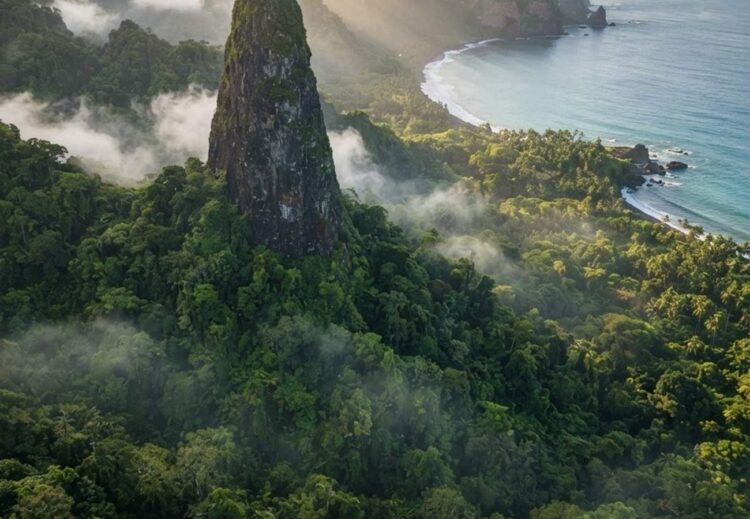
São Tomé and Príncipe Implements High-Value Eco-Tourism...
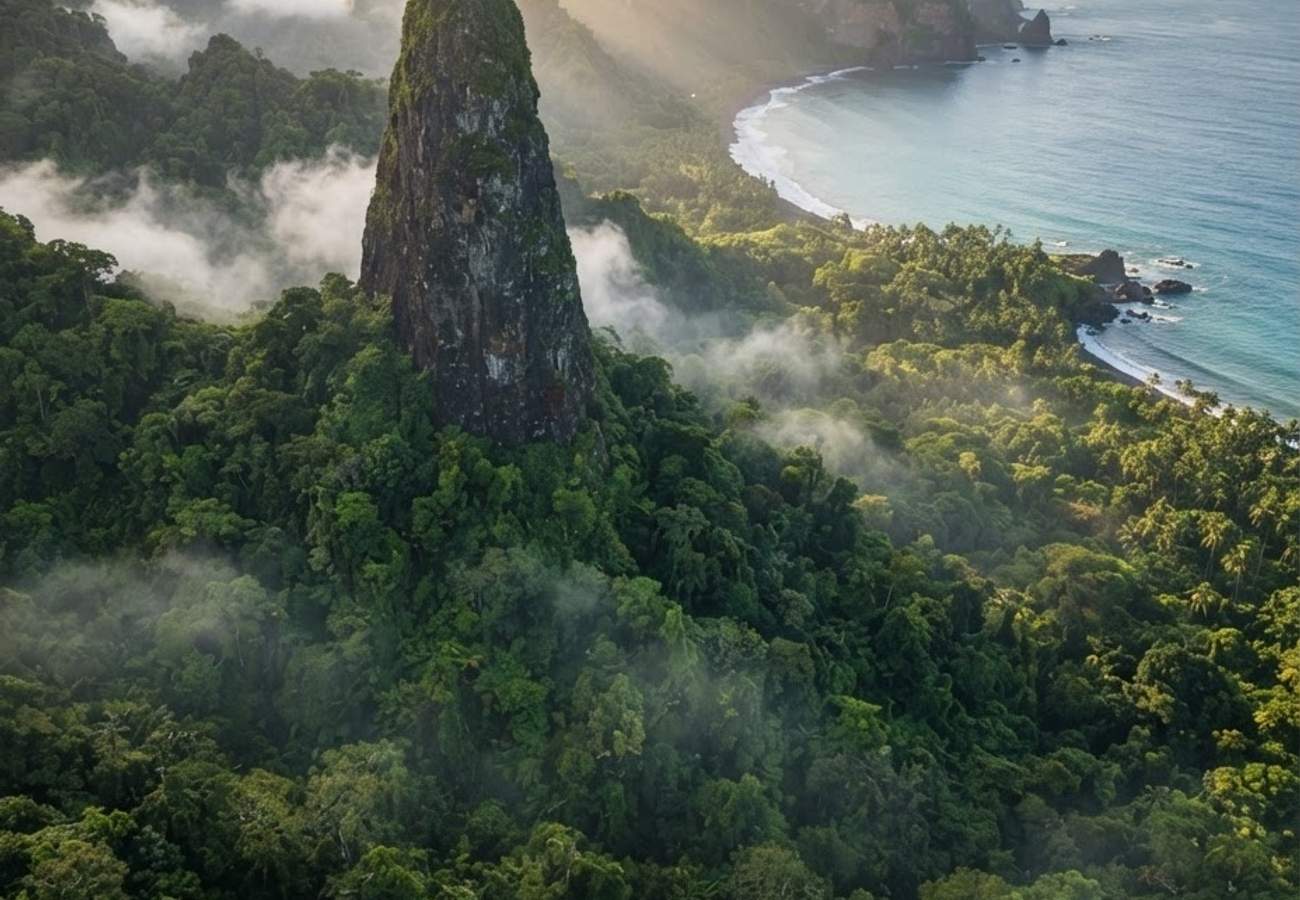
THE NEWS: São Tomé and Príncipe is abandoning mass‑market tourism in favor of a high‑value, low‑density model to protect its fragile rainforests and marine ecosystems, the Ministry of Environment, Youth and Sustainable Tourism announced.
DETAILS:
The new strategy prioritises “value over volume” and targets high‑spending, low‑impact travellers.
National Tourism Satellite Accounts are being integrated to precision‑map economic impact and visitor flow.
The shift seeks to mitigate environmental pressure on the primary rainforests and the Príncipe Island UNESCO Biosphere Reserve.
The Ministry is collaborating with the UN Economic Commission for Africa to modernise tourism data infrastructure.
WHY IT MATTERS: The pivot creates opportunities for premium tour operators and boutique hotels to design low‑impact, high‑spending products for São Tomé and Príncipe, while providing a blueprint for other ecologically sensitive destinations aiming to balance revenue growth with environmental stewardship.
FAQ
What tourism model is São Tomé and Príncipe adopting?
São Tomé and Príncipe is moving from mass‑market tourism to a high‑value, low‑density strategy that targets high‑spending, low‑impact travellers, according to the Ministry of Environment, Youth and Sustainable Tourism. The change is designed to protect the country’s fragile rainforests and marine ecosystems while focusing on higher visitor spend.
Which organization is helping modernise the country’s tourism data?
The Ministry of Environment, Youth and Sustainable Tourism is working with the UN Economic Commission for Africa to modernise the nation’s tourism data infrastructure and integrate National Tourism Satellite Accounts, which will precision‑map economic impact and visitor flow under the new high‑value tourism model.
Why is the government changing its tourism strategy?
The government’s strategy shift seeks to lessen environmental pressure on São Tomé’s primary rainforests and the Príncipe Island UNESCO Biosphere Reserve, preserving biodiversity as a sustainable economic asset while reducing mass tourism’s impact and encouraging higher‑spending visitors who generate greater revenue per capita.
Read Original Article.
Experience the magic of the Nile aboard Kenzy Dahabeya, a luxury boutique sailing cruise that offers an unforgettable journey between...
Read moreDetails



