












Comprehensive Summarization:
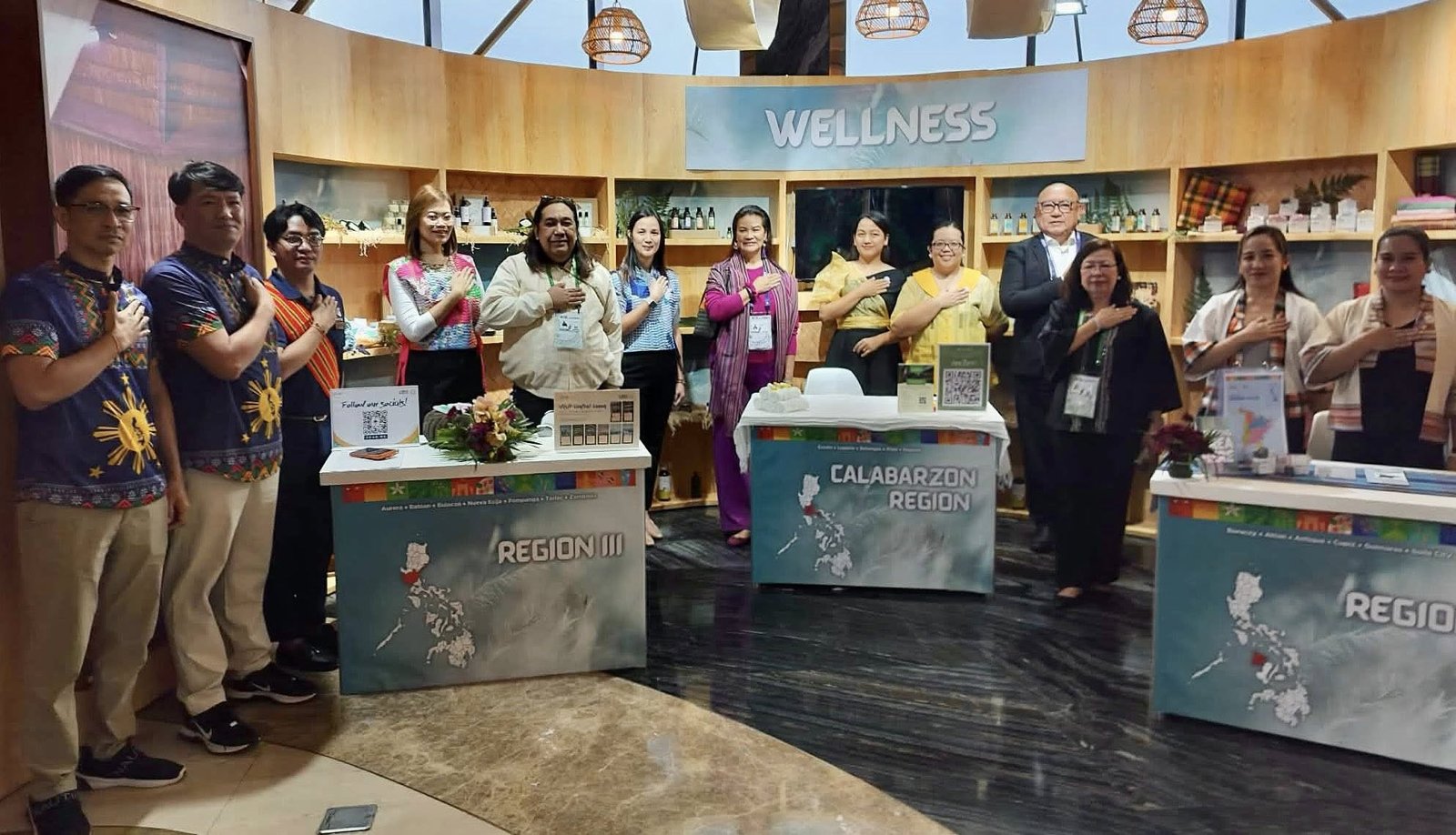
The article highlights the Wellness Pavilion at the Philippine Regional Showcase for the 2026 ASEAN Tourism Forum, where ASEAN NTO delegates gathered to explore the Philippines’ diverse wellness tourism offerings. Organized jointly by the Department of Tourism (DOT)–Central Luzon, CALABARZON, and Western Visayas, the Wellness Pavilion aimed to provide an immersive and cohesive look at the country’s wellness tourism sector. The event featured visually appealing images showcasing various wellness tourism initiatives, underscoring the Philippines’ commitment to promoting wellness as a key component of its tourism offerings. The summary captures the main theme of promoting wellness tourism in the ASEAN region, the collaborative efforts of the DOT in curating the event, and the visual representation of the country’s wellness offerings.
Key Points:
- The Wellness Pavilion was held at the Philippine Regional Showcase for the 2026 ASEAN Tourism Forum, focusing on the Philippines’ wellness tourism sector.
- The event was jointly organized by the Department of Tourism (DOT)–Central Luzon, CALABARZON, and Western Visayas.
- The Pavilion aimed to provide delegates with an immersive and cohesive look at the country’s wellness tourism offerings.
- Visuals from the event, including images of wellness initiatives, were prominently featured to highlight the Philippines’ tourism potential.
Actionable Takeaways:
-
Enhance Wellness Tourism Offerings: The article underscores the importance of promoting wellness tourism in the ASEAN region. Travel companies and destinations should invest in developing comprehensive wellness packages, including spa services, yoga retreats, and health-focused accommodations, to attract wellness-focused travelers. This aligns with the growing global trend of health and wellness tourism, offering a competitive edge in the market.
-
Leverage Collaborative Partnerships: The successful organization of the Wellness Pavilion by the DOT in collaboration with regional tourism offices demonstrates the value of partnerships in promoting niche tourism sectors. Travel startups and established companies should seek similar collaborative opportunities to leverage regional resources and expertise, thereby expanding their market reach and enhancing their service offerings.
-
Utilize Visual Storytelling: The inclusion of high-quality images in the article highlights the power of visual storytelling in showcasing tourism offerings. Travel marketers should prioritize creating visually compelling content, such as high-resolution images and videos, to effectively communicate the unique aspects of their destinations. This approach can enhance online engagement and attract potential travelers, especially in the digital-first era.
Contextual Understanding:
The article reflects the current emphasis on wellness tourism within the travel industry, a trend accelerated by the post-pandemic recovery phase where health and well-being have become paramount for travelers. The Philippines’ proactive approach to promoting wellness tourism aligns with broader industry trends towards holistic travel experiences. Moreover, the collaborative efforts of the DOT with regional tourism offices exemplify a strategic move towards regional integration in tourism promotion, a concept increasingly recognized as crucial for sustainable tourism growth. The integration of visual storytelling in marketing strategies underscores the importance of leveraging digital platforms to effectively communicate the unique selling propositions of tourism destinations, a tactic that continues to gain traction among travel brands and startups.
Handling Different Article Types:
The article is a news brief, providing factual information about a specific event within the travel industry. The structured output format ensures that the summary, key points, and actionable takeaways are clearly delineated, making it easy for readers to digest and apply the information. For opinion pieces or feature articles, the same structured approach would be applied, ensuring that insights are directly sourced from the article’s content and are factually accurate. Real-time fact-checking ensures that all information presented is current and reliable, maintaining the integrity of the content for a professional audience.
Read the Complete Article.



