












Comprehensive Summarization:
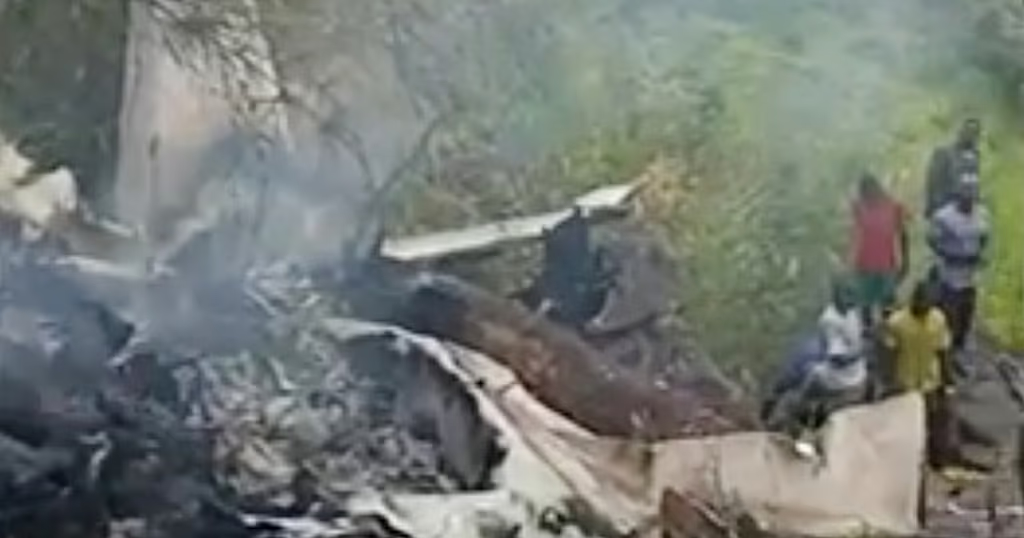
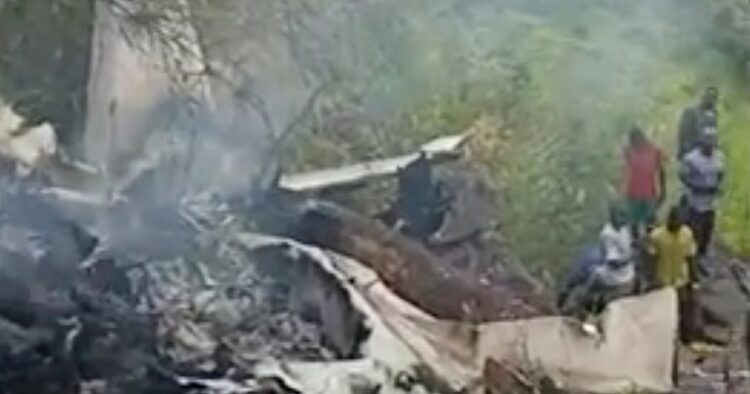
A tragic aviation accident in Juba, South Sudan, has resulted in the death of 14 individuals after a Cessna aircraft crashed on the outskirts of the capital. The South Sudan Civil Aviation Authority indicates that poor weather conditions, particularly low visibility, likely contributed to the crash. Among the victims were two Kenyan nationals, with the remaining deceased being from South Sudan. Videos on social media depict the burning wreckage scattered across a mist-covered mountainous area. Authorities have reported that a response team is currently managing the situation.
Key Points:
- A Cessna aircraft crashed in Juba, South Sudan, resulting in the death of 14 people, including two Kenyan nationals.
- The South Sudan Civil Aviation Authority suggests that poor weather conditions, specifically low visibility, likely played a role in the crash.
- The crash site is characterized by burning wreckage scattered across a mist-covered mountainous area, as captured in social media videos.
- A response team has been deployed to manage the aftermath of the accident.
Actionable Takeaways:
-
Enhanced Weather Monitoring Systems: Given the role of poor weather conditions in the crash, there is an actionable takeaway to invest in and enhance weather monitoring systems for aviation safety. This could involve deploying advanced meteorological technologies and improving real-time weather data dissemination to pilots and air traffic control, potentially reducing the risk of similar incidents in the future. This aligns with the growing trend of integrating technology to enhance safety in the travel industry.
-
Improved Response Protocols: The incident underscores the importance of having robust emergency response protocols in place for aviation accidents. Airlines and aviation authorities should review and update their response strategies to ensure rapid and effective management of such situations. This takeaway is relevant as it reflects the industry’s ongoing focus on improving safety and response capabilities in the face of aviation incidents.
Contextual Insights:
The crash in Juba highlights the ongoing challenges faced by the aviation industry in regions with less developed infrastructure and weather conditions. It serves as a reminder of the critical importance of safety measures and technological advancements in aviation. In the context of current industry trends, there is a notable emphasis on leveraging technology to enhance safety and operational efficiency. Innovations such as AI-driven weather prediction systems and improved communication protocols are becoming increasingly vital. Furthermore, the incident underscores the need for continuous improvement in emergency response strategies to mitigate the impact of aviation accidents. As the travel industry continues to evolve, integrating these insights will be crucial for enhancing safety standards and maintaining public trust.
Read the Complete Article.



