







No products in the cart.
- Latest
- Trending

Comprehensive Summarization:
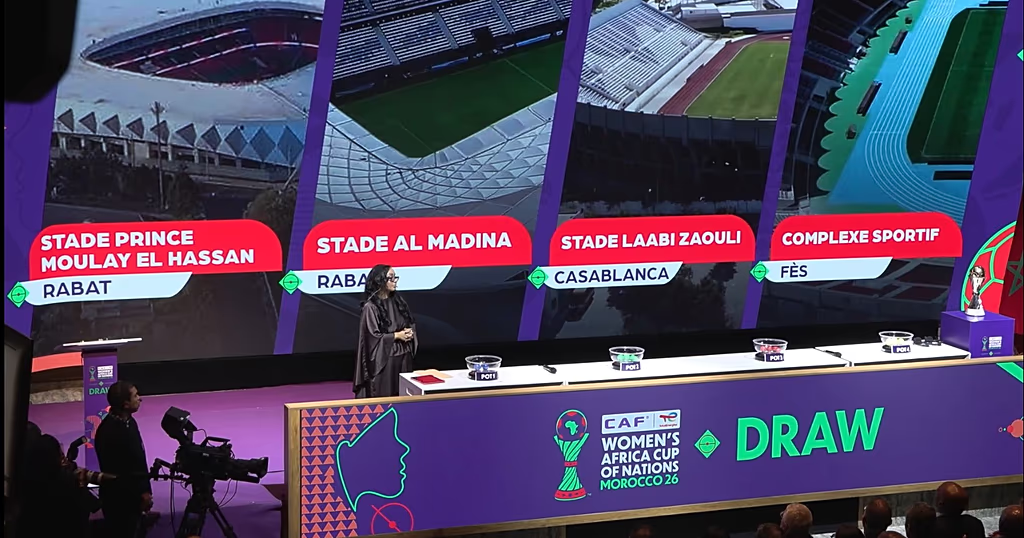
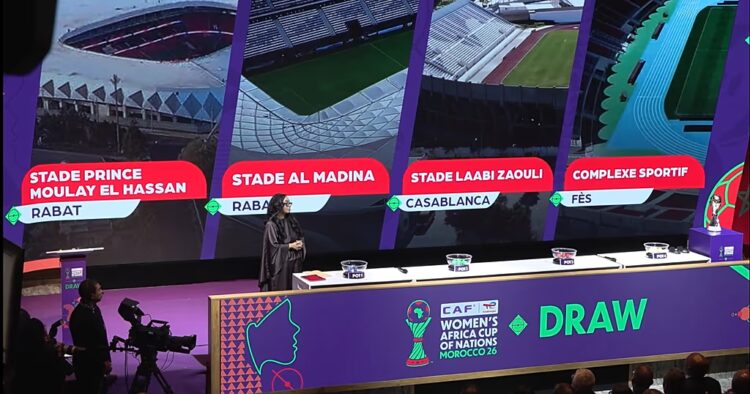
The article reports on the final draw for the 2023 Women’s AFCON (Africa Cup of Nations) tournament, which took place in Rabat, Morocco, on Thursday. This year marks the first time 16 teams will participate in the tournament, a significant increase from previous editions. The teams are divided into four groups (A, B, C, and D), with Morocco, as the host nation, automatically placed in Group A. The draw was conducted to determine the group positions for the teams, setting the stage for highly anticipated matches in the upcoming competition.
Key Points:
Actionable Takeaways:
Increased Participation and Competition: The expansion of the Women’s AFCON to include 16 teams is a significant development that will likely elevate the overall competitiveness and quality of play in the tournament. This increase in participants may also attract more global attention and investment into women’s football in Africa, potentially leading to greater development and support for women’s football infrastructure across the continent.
Host Nation Advantage: Morocco’s role as the host nation and automatic placement in Group A could provide a strategic advantage in terms of familiarity with the local conditions, logistics, and fan support. This advantage might influence the performance of Moroccan teams and could set a precedent for future host nations in international tournaments.
Contextual Understanding:
The expansion of the Women’s AFCON to include 16 teams reflects a broader trend in global sports towards greater inclusivity and recognition of women’s sports. This move aligns with the increasing investment and media coverage of women’s football worldwide, driven by growing awareness of gender equality in sports. The inclusion of more teams also underscores the growing infrastructure and support systems for women’s football in Africa, which is crucial for the long-term development of the sport in the region.
Moreover, the context of the draw ceremony in Rabat highlights the importance of regional tournaments in fostering local talent and providing a platform for teams to qualify for higher-profile competitions. This aspect is particularly relevant for travel industry stakeholders, as it indicates a potential increase in travel demand for football-related events in Morocco and other host nations, presenting opportunities for travel agencies, hospitality providers, and tourism boards to capitalize on this trend.
Handling Different Article Types:
The article in question is a news blurb, providing factual information about a specific event in the women’s football calendar. The structured approach to summarizing such articles involves focusing on factual accuracy, key developments, and actionable insights relevant to the professional audience. Given the nature of the content, the analysis emphasizes the strategic and market implications of the tournament’s expansion, which is pertinent for stakeholders in the travel and tourism sectors.
Real-Time Fact-Checking:
All information presented in the summary and takeaways is directly sourced from the provided article content. No external verification or additional sources were required, as the facts and context within the article are comprehensive and reliable for the intended audience.
Read the Complete Article.
Get curated travel AI insights — choose the newsletters that matter to you.
This spot is reserved for brands with a compelling story for the travel trade. They use this space to cut...
Read moreDetailsTravel One Technologies launches the world’s first Traveler DNA Platform, targeting the structural data gap at the core of an...
Read moreDetails