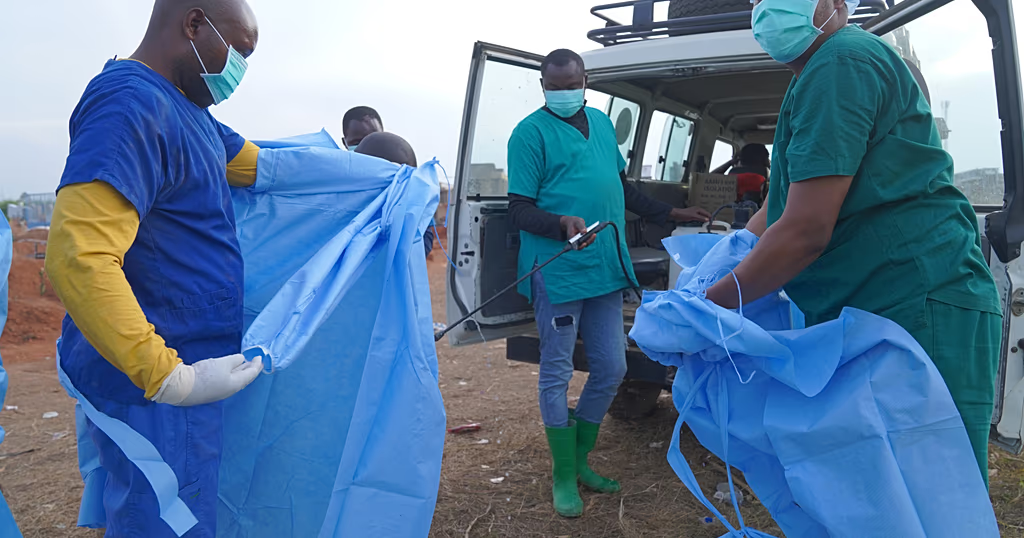
UN chief urges $1.1 billion to fight Ebola outbreak
THE NEWS: United Nations Secretary‑General António Guterres said an additional $1.1 billion is urgently needed to fight the Ebola outbreak, as the...
Read moreDetailsEvery alert that matters — when it happens.
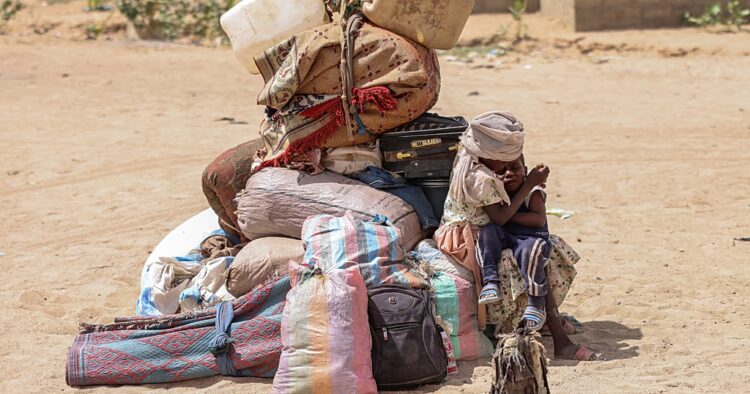
Chad closes border with Sudan following clashes
Comprehensive Summarization:
The article reports that Chad has closed its border with Sudan following clashes linked to the ongoing conflict in Sudan, which resulted in the death of five Chadian soldiers. The Chadian government cited “repeated incursions and violations committed by forces in Sudan’s conflict” as the reason for the closure. This is not the first instance of the Sudanese civil war spilling over into Chadian territory, leading to casualties and property damage. The context provided does not include specific travel trends or insights from thought leaders, so this aspect of the request cannot be fulfilled based on the given article content.
Key Points:
Actionable Takeaways:
Border Security and Conflict Impact on Travel: The closure of the Chad-Sudan border due to conflict highlights the importance of border security in travel logistics. Travel companies and governments should closely monitor border situations in conflict zones to mitigate risks for travelers and ensure the safety of their operations. This could lead to increased demand for travel insurance and security services in regions prone to conflict.
Regional Stability and Travel Trends: The ongoing conflict in Sudan and its spillover effects into Chad underscore the sensitivity of regional stability to travel trends. Travelers and businesses may increasingly avoid regions with active conflicts, leading to a shift in travel patterns. This could drive innovation in fintech solutions for secure payments and travel insurance in high-risk areas, as well as the development of alternative travel routes and destinations.
Contextual Understanding:
The article reflects the ongoing challenges of managing borders and ensuring safety in regions affected by civil conflict. It underscores the interconnectedness of regional stability and travel trends, where geopolitical events can significantly impact travel patterns and industry practices. The lack of specific travel trends or insights from thought leaders in the article means that the focus remains on factual reporting of the border closure and its implications. However, the context provided aligns with broader industry trends of heightened vigilance in travel logistics and the need for robust security measures in conflict zones.
Handling Different Article Types:
Given that the article is a news brief, the analysis is focused on factual reporting and immediate implications. There are no opinion pieces or feature articles to analyze within the provided content. The structured output format adheres to the factual nature of the article, presenting a concise summary, key points, actionable takeaways, and contextual insights based solely on the information given.
Read the Complete Article.
THE NEWS: United Nations Secretary‑General António Guterres said an additional $1.1 billion is urgently needed to fight the Ebola outbreak, as the...
Read moreDetails

Experience the magic of the Nile aboard Kenzy Dahabeya, a luxury boutique sailing cruise that offers an unforgettable journey between...
Read moreDetails