
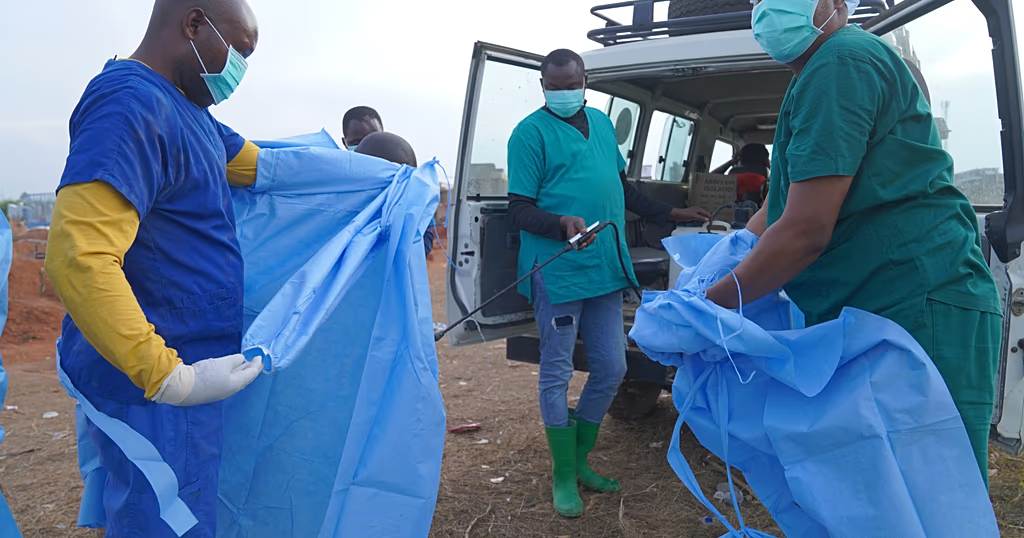
UN chief urges $1.1 billion to fight Ebola outbreak
THE NEWS: United Nations Secretary‑General António Guterres said an additional $1.1 billion is urgently needed to fight the Ebola outbreak, as the...
Read moreDetailsEvery alert that matters — when it happens.

Chad seeks long jail term for former prime minister Masra
Chad is seeking a lengthy prison sentence for its former Prime Minister, Succès Masra, who is currently facing charges of inciting insurrection and public disorder. The legal proceedings, which have captivated the nation, stem from Masra’s alleged involvement in protests that led to significant unrest and violence earlier this year.
The prosecution argues that Masra, as a prominent opposition figure, played a pivotal role in organizing and encouraging citizens to take to the streets in defiance of government authority. These demonstrations, they contend, escalated into violent confrontations with security forces, resulting in casualties and widespread damage. The state is pushing for a severe penalty, emphasizing the gravity of the alleged offenses and the need to deter future acts of sedition.
Masra’s defense, however, maintains his innocence, portraying him as a victim of political persecution. They assert that his actions were aimed at peacefully advocating for democratic reforms and that the violence was instigated by external elements or overzealous security responses. The legal battle is seen by many as a critical test for Chad’s democratic institutions and the rule of law.
The outcome of this case is expected to have significant implications for the political landscape of Chad, potentially shaping the future of opposition movements and the government’s approach to dissent. International observers are closely monitoring the trial, highlighting concerns about fairness and due process. The proceedings continue to be a focal point of national and international attention, with many awaiting the court’s final verdict.
Key Points:
Read the Complete Article.
THE NEWS: United Nations Secretary‑General António Guterres said an additional $1.1 billion is urgently needed to fight the Ebola outbreak, as the...
Read moreDetails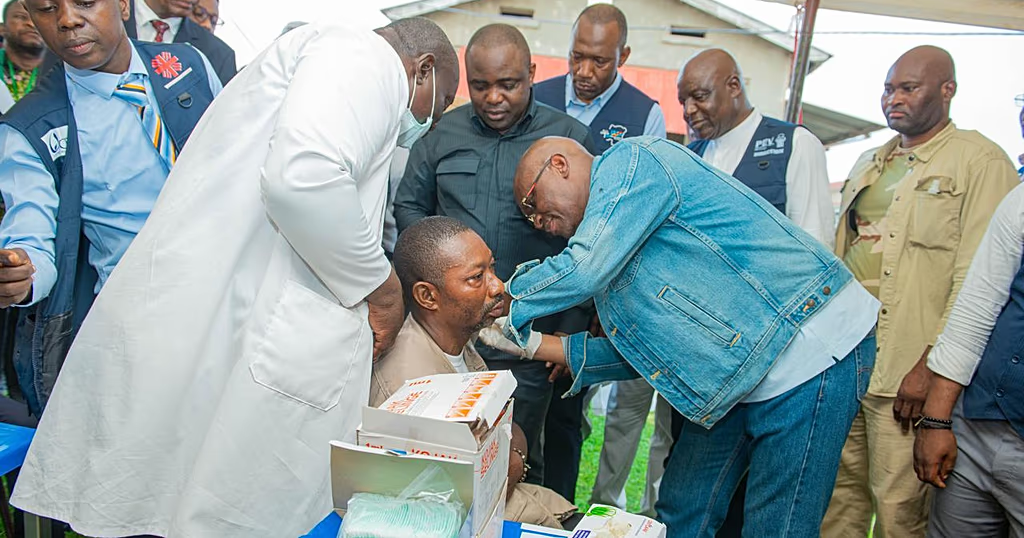

Experience the magic of the Nile aboard Kenzy Dahabeya, a luxury boutique sailing cruise that offers an unforgettable journey between...
Read moreDetails






