












Comprehensive Summarization:
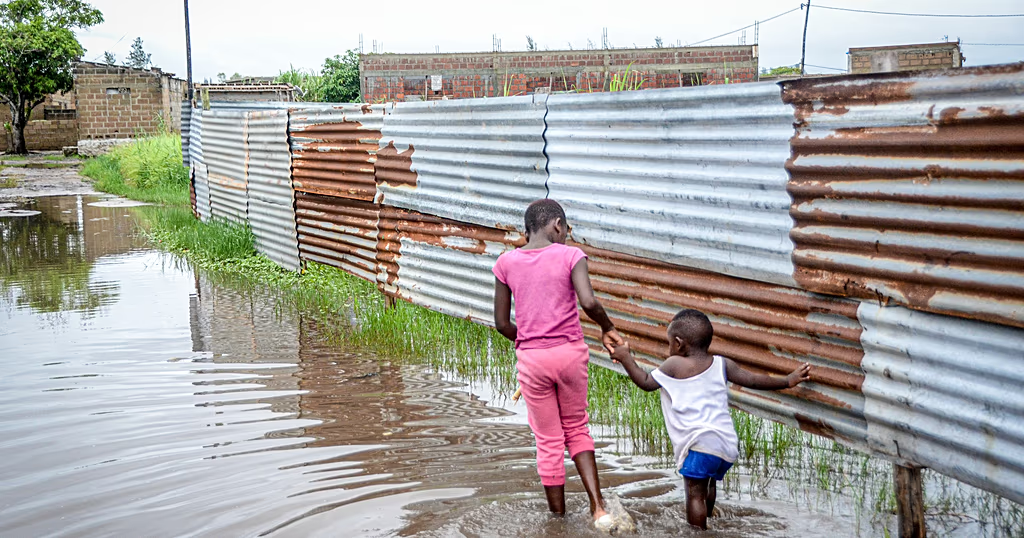
The United Nations has issued a warning regarding severe overcrowding in temporary accommodation shelters in Mozambique, which are hosting approximately 100,000 people displaced by recent flooding. The flooding, which began on October 1, has resulted in nearly 140 deaths and forced around 400,000 people to flee their homes. The UN refugee agency, UNHCR, has stated that these shelters, including schools and public buildings, are experiencing severe overcrowding. The article emphasizes the urgent need for more international support to address this humanitarian crisis.
Key Points:
- The UN has warned of severe overcrowding in temporary accommodation shelters for 100,000 flood-displaced people in Mozambique.
- The flooding, since October 1, has claimed nearly 140 lives and displaced around 400,000 people.
- Shelters, including schools and public buildings, are severely overcrowded, according to the UNHCR.
- There is an urgent appeal for more international support to address the crisis.
Actionable Takeaways:
-
International Aid Allocation: Allocate more international aid to Mozambique to alleviate overcrowding in temporary shelters. This is crucial given the severe overcrowding reported by the UNHCR and the significant number of displaced individuals.
-
Infrastructure Development: Invest in the development of resilient infrastructure in flood-prone areas to prevent future overcrowding. This proactive measure aligns with current travel industry trends focusing on sustainable and resilient tourism infrastructure.
-
Emergency Response Enhancement: Enhance emergency response mechanisms for natural disasters to quickly manage and mitigate the impact on displaced populations. This aligns with the travel industry’s increasing focus on emergency preparedness and crisis management.
Contextual Understanding:
The article reflects the ongoing challenges faced by Mozambique in managing the aftermath of severe flooding, a recurring issue in the region. The UN’s appeal for international support underscores the global interconnectedness of disaster response efforts. In the context of the travel industry, such crises highlight the importance of resilient infrastructure and emergency preparedness. Recent trends indicate a growing emphasis on sustainable tourism and disaster resilience, making these actionable takeaways particularly relevant. The insights provided align with the current industry focus on innovation in travel tech and fintech solutions for crisis management and recovery.
Handling Different Article Types:
The article is a news brief providing factual information about a humanitarian crisis and its implications for the travel industry. The structured output format ensures clarity and relevance for a professional audience, focusing on actionable insights derived directly from the article’s content.
Read the Complete Article.



