












Comprehensive Summarization:
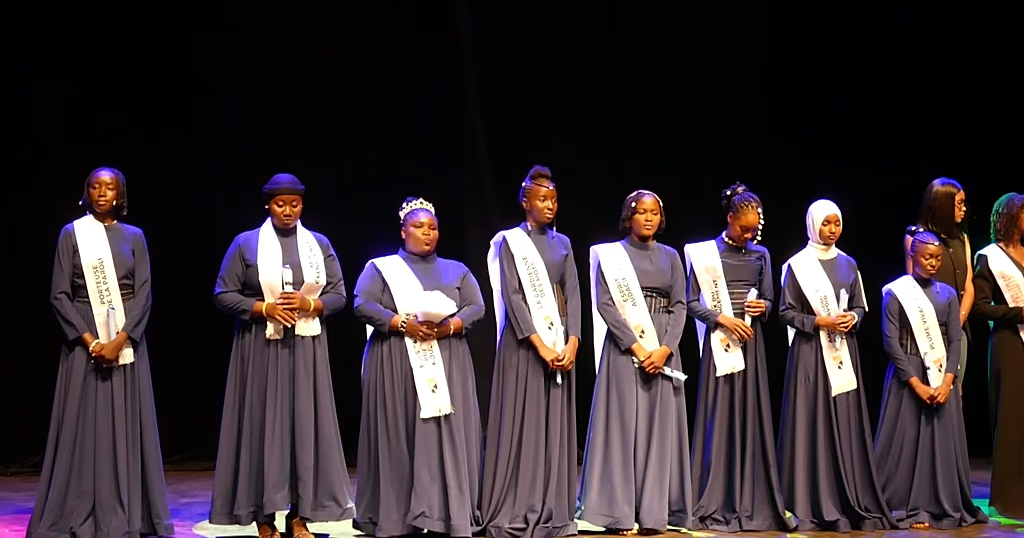
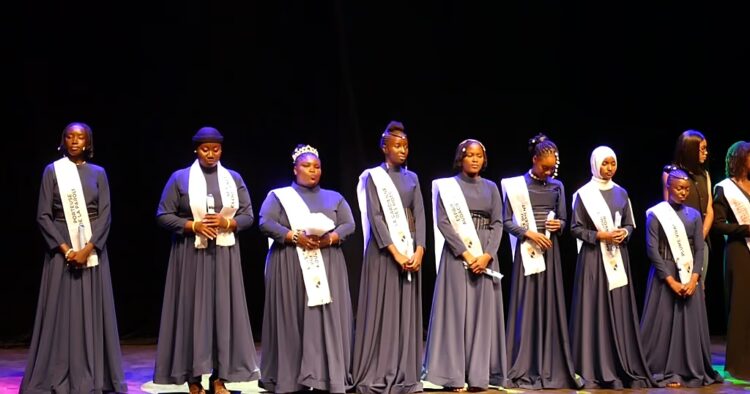
The 18th edition of the “72 Hours of the Book” festival has commenced in Conakry, serving as a vibrant celebration of literature that has become a national symbol. The event, characterized by performances involving people dancing with books, underscores the city’s rich cultural identity. This event’s success led to UNESCO’s recognition of Conakry as the World Book Capital in 2017, and its inclusion in the UNESCO Creative Cities Network for literature in 2025. A notable highlight of the festival is the Miss Literature competition, which has evolved into a central feature over the past four years. Organizers emphasize that the competition is not based on physical appearance, focusing instead on literary talent and creativity. The festival encapsulates a blend of cultural celebration, literary excellence, and the promotion of Conakry as a hub for book lovers and cultural enthusiasts.
Key Points:
- The 72 Hours of the Book festival opened in Conakry, showcasing a blend of literature, dance, and cultural celebration.
- The festival’s success contributed to UNESCO naming Conakry the World Book Capital in 2017 and its inclusion in the UNESCO Creative Cities Network for literature in 2025.
- The Miss Literature competition, a central feature of the festival for the past four years, emphasizes literary talent over physical appearance.
- Conakry’s cultural identity and its role in the UNESCO Creative Cities Network highlight the city’s significance in the global literary landscape.
Actionable Takeaways:
-
Cultural Tourism Growth: The festival’s success in Conakry underscores the growing trend of cultural tourism, particularly in cities recognized by UNESCO. Travel organizations should explore partnerships with cultural festivals to enhance their tourism offerings and attract literature enthusiasts.
-
Literary Competitions as Branding Tools: The Miss Literature competition demonstrates how literary competitions can serve as powerful branding tools for cities. Cities and organizations can leverage such competitions to promote cultural identity and attract literary tourists, thereby boosting local economies.
-
UNESCO Recognition as a Marketing Asset: The inclusion of Conakry in the UNESCO Creative Cities Network for literature serves as a marketing asset, enhancing the city’s global appeal. Travel agencies and cultural organizations can highlight UNESCO-recognized cities in their marketing campaigns to tap into the growing interest in culturally rich destinations.
Contextual Understanding:
The article reflects the ongoing global trend of cities leveraging cultural events and UNESCO recognition to boost their tourism and cultural industries. The 72 Hours of the Book festival in Conakry exemplifies how literary festivals can become symbols of cultural identity and national pride, attracting international attention and fostering a sense of community among writers, students, and cultural enthusiasts. The Miss Literature competition further illustrates the shift towards recognizing literary talent over physical attributes, aligning with broader societal values of inclusivity and meritocracy. These developments highlight the importance of cultural and literary events in shaping a city’s image and attracting diverse audiences, including tourists, students, and literary professionals. As the travel industry continues to evolve, integrating cultural and literary experiences into travel itineraries can provide unique value propositions, appealing to a niche yet growing segment of culturally curious travelers.
Handling Different Article Types:
The article falls under the category of a news blurb, providing factual information about a cultural event and its significance. The structured output format ensures that the key points and actionable takeaways are clearly delineated, making the information easily digestible for a professional audience. The contextual insights draw parallels with broader industry trends, such as the role of UNESCO recognition in enhancing a city’s global appeal and the increasing importance of literary competitions as branding tools. This approach ensures that the output is not only informative but also forward-looking, aligning with current industry trends and expert opinions.
Read the Complete Article.



