


No products in the cart.
- Latest
- Trending

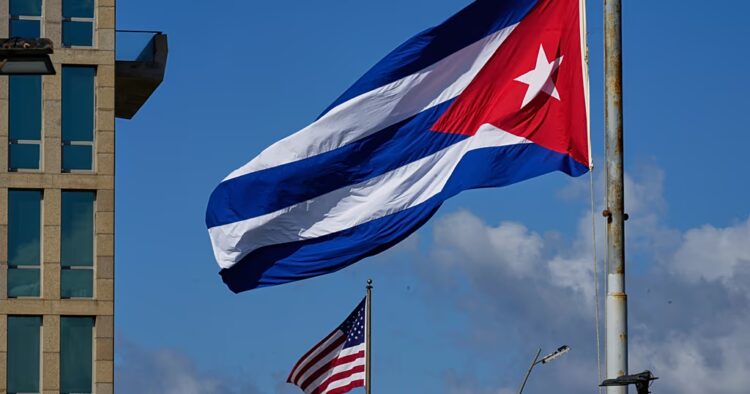
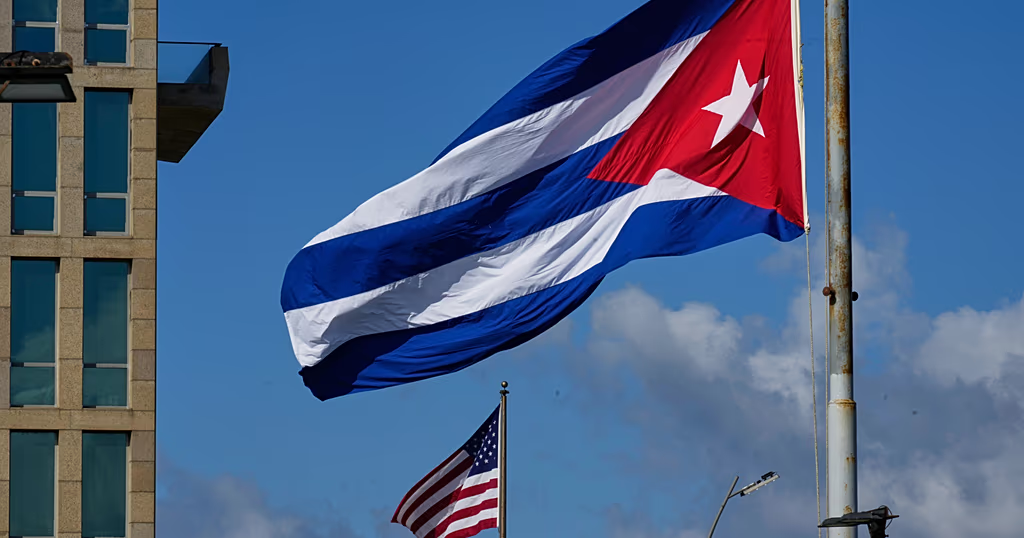
Cuba faces growing pressure from the United States after Maduro capture
Article Summary:
Cuba is facing growing threats from the United States following the toppling of Venezuelan leader Nicolas Maduro, a key ally for the island nation. US President Donald Trump announced plans to cut off all oil and money flowing to Cuba, urging the nation to “make a deal” with the US. Trump’s post on social media highlighted Cuba’s reliance on oil and money from Venezuela, noting that Cuba provided “Security Services” for the last two Venezuelan dictators, but no longer will. The article also touches on the broader context of travel trends and insights from thought leaders, though specific travel trends are not detailed in the provided content.
Key Points:
Actionable Takeaways:
Contextual Insights:
The article reflects the current geopolitical tensions between the US and Venezuela, which directly impact Cuba’s economic landscape. As a key ally of Cuba, Venezuela’s political instability has significant implications for Cuba’s oil and financial dependencies. This context underscores the importance of travel startups and fintech innovations in providing alternative solutions to Cuba’s economic challenges. The travel industry, particularly in emerging markets like Cuba, is witnessing a shift towards digital solutions and strategic diversification to mitigate risks associated with geopolitical uncertainties. Thought leaders emphasize the need for agility and innovation in travel tech to adapt to such volatile environments, ensuring sustained growth and resilience in the face of external pressures.
Read the Complete Article.
Get curated travel AI insights — choose the newsletters that matter to you.
This spot is reserved for brands with a compelling story for the travel trade. They use this space to cut...
Read moreDetailsTravel One Technologies launches the world’s first Traveler DNA Platform, targeting the structural data gap at the core of an...
Read moreDetails