







Sail Through Time: Discover the Timeless Wonders of Upper Egypt Aboard Kenzy Dahabeya
Experience the magic of the Nile aboard Kenzy Dahabeya, a luxury boutique sailing cruise that offers an unforgettable journey between...
Read moreDetails
Comprehensive Summarization:
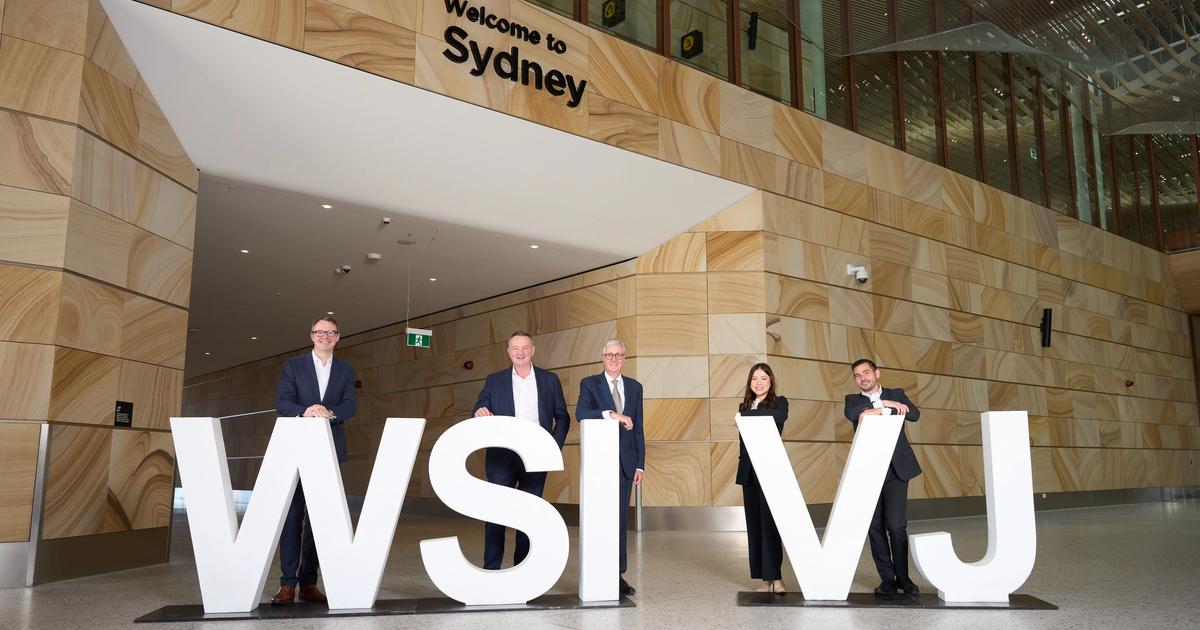
Finland and Namibia have formed a partnership to enhance the local circular economy, with a focus on resource efficiency and sustainable growth across the mining, energy, and agricultural sectors. Sakarias Rantala, a representative from Finland, highlighted Finland’s capability to provide Namibia with internationally recognized expertise in research-driven innovation, public cooperation, and an enabling regulatory framework. The collaboration aims to strengthen resource efficiency, improve waste management, and enhance climate resilience. This initiative was discussed at a one-day circular economy dialogue hosted by the Finnish embassy in partnership with the Namibia Investment.
Key Points:
Actionable Takeaways:
Contextual Insights:
The partnership between Finland and Namibia reflects a growing trend of international collaboration in sustainable development, particularly in the context of resource efficiency and climate resilience. As the travel industry increasingly focuses on sustainable practices, such collaborations can serve as models for other regions facing similar challenges. The emphasis on research-driven innovation and regulatory frameworks aligns with current industry trends towards technological advancement and regulatory compliance. This initiative not only highlights the potential for cross-border cooperation in the travel sector but also underscores the importance of sustainable practices in driving long-term economic growth.
Read the Complete Article.
Experience the magic of the Nile aboard Kenzy Dahabeya, a luxury boutique sailing cruise that offers an unforgettable journey between...
Read moreDetails



