








Sail Through Time: Discover the Timeless Wonders of Upper Egypt Aboard Kenzy Dahabeya
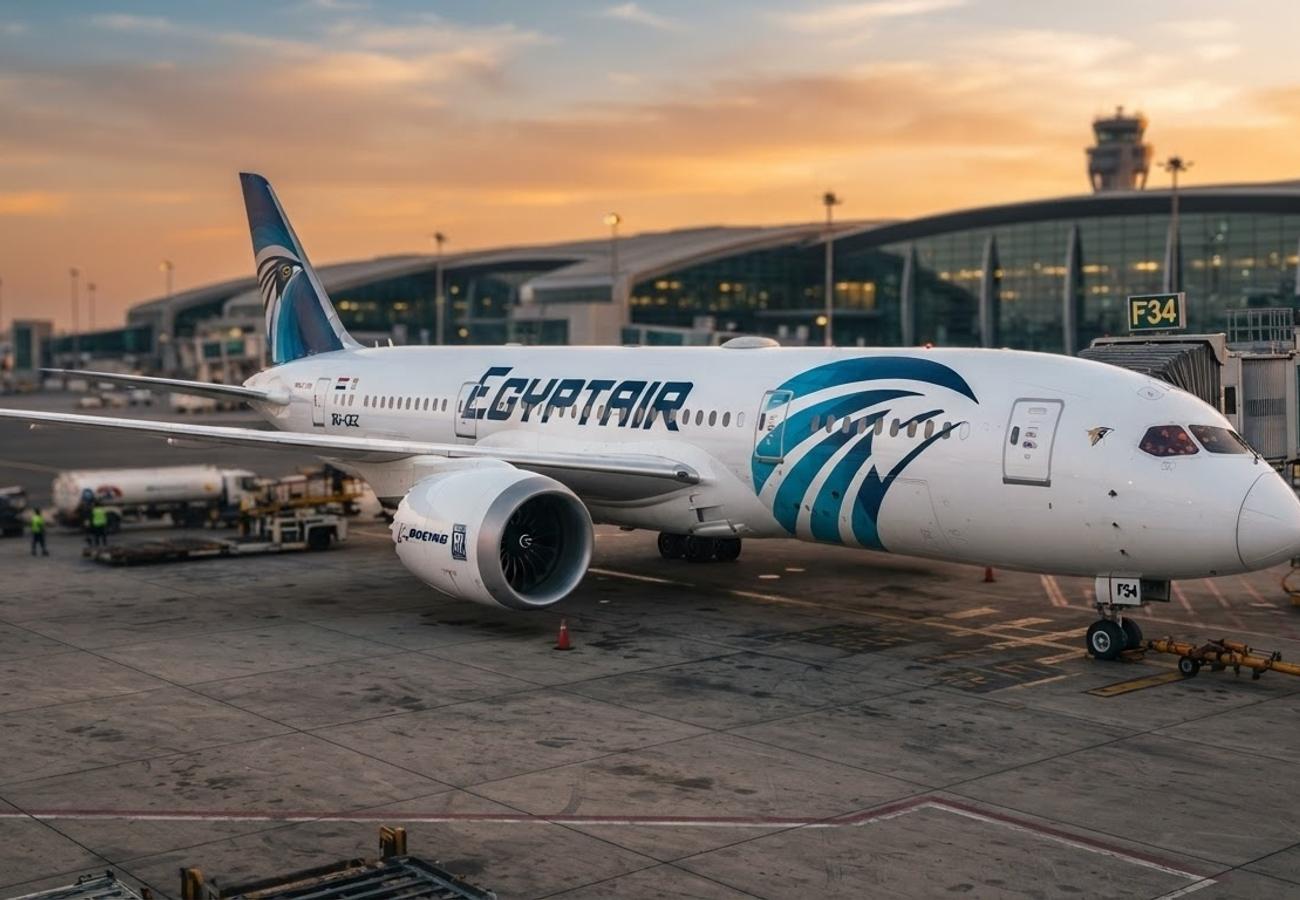
Experience the magic of the Nile aboard Kenzy Dahabeya, a luxury boutique sailing cruise that offers an unforgettable journey between...
Read moreDetails
Comprehensive Summarization:
The article discusses France’s foreign minister, Jean-Noel Barrot, expressing concern over the spread of Islamist extremism in West Africa during his talks with the Togolese counterpart in Lome. The issue has been a concern for the past decade, with violence from jihadist groups affiliated with Al-Qaeda and the Islamic State blighting the Sahel region. This extremism is now spreading into northern regions of coastal countries like Togo, following the withdrawal of French troops from military regimes in Burkina Faso, Mali, and Niger. The visit by Barrot to Togo marks the first by a French minister in this context.
Key Points:
Actionable Takeaways:
Increased Security Measures in West Africa: Given the spread of Islamist extremism in West Africa, travel agencies and tour operators should consider enhancing security measures for their clients traveling to the region. This could include partnering with local security firms, providing comprehensive travel insurance that covers potential risks, and offering travel advisories to clients.
Impact on Tourism Industry: The spread of extremism could have a significant impact on the tourism industry in the affected regions. Travel companies should monitor the situation closely and be prepared to adjust their offerings, such as offering alternative destinations or adjusting travel itineraries to avoid high-risk areas.
Role of Diplomacy in Conflict Resolution: The article highlights the role of diplomacy in addressing the issue of extremism. Governments and international organizations should continue to engage in diplomatic efforts to resolve conflicts and prevent the spread of extremism. This could involve supporting regional initiatives, providing aid to affected countries, and fostering dialogue between different groups.
Contextual Insights:
The article’s context is deeply rooted in the ongoing issue of Islamist extremism in West Africa, a region that has been plagued by violence and instability for the past decade. The withdrawal of French troops from military regimes in Burkina Faso, Mali, and Niger has created a power vacuum that has allowed extremist groups to gain a foothold in the region. This situation has now begun to spill over into coastal countries like Togo, posing a significant threat to the region’s stability and security.
In terms of travel trends, the article underscores the importance of security in shaping travel decisions. The recent events highlight the need for travel companies to prioritize safety and security in their offerings. This could involve investing in advanced security technologies, providing comprehensive travel insurance, and offering personalized travel advice to clients. Furthermore, the article suggests that the situation could have a significant impact on the tourism industry, with potential implications for travel startups and fintech innovations. For instance, there may be an increased demand for travel insurance products that cover risks associated with extremism, as well as fintech solutions that facilitate safe and secure transactions for travelers.
Read the Complete Article.
Experience the magic of the Nile aboard Kenzy Dahabeya, a luxury boutique sailing cruise that offers an unforgettable journey between...
Read moreDetails



