
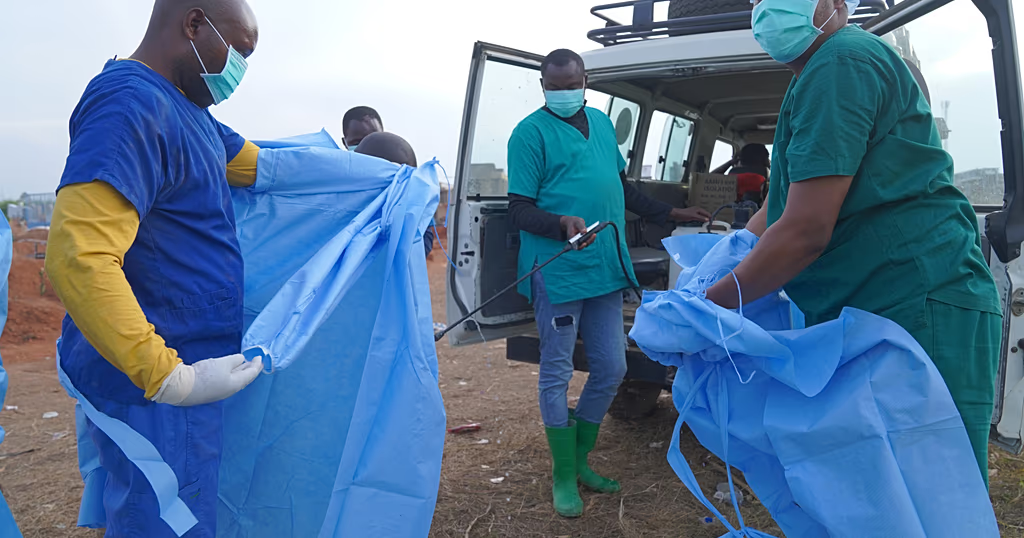
UN chief urges $1.1 billion to fight Ebola outbreak
THE NEWS: United Nations Secretary‑General António Guterres said an additional $1.1 billion is urgently needed to fight the Ebola outbreak, as the...
Read moreDetailsEvery alert that matters — when it happens.

Guinea-Bissau’s president sacks prime minister as election nears
Guinea-Bissau’s President Umaro Sissoco Embaló has dismissed Prime Minister Nuno Nabiam, marking a significant political shift just months before the country’s general elections. The unexpected move has sent ripples through the West African nation’s already dynamic political landscape, raising questions about the upcoming electoral process and the stability of the government.
Nabiam, who has served as Prime Minister since 2020, was unceremoniously removed from his post, with President Embaló citing a "loss of confidence." While the official statement was brief, the timing of the dismissal, so close to crucial elections, has fueled speculation about the underlying reasons. Analysts suggest the President may be seeking to consolidate power or address internal party dynamics ahead of the electoral contest.
The political history of Guinea-Bissau is marked by frequent changes in government and periods of instability. This latest development adds another layer of complexity to the nation’s political journey. The appointment of a new Prime Minister will be closely watched, as it could signal the President’s strategic direction for the remainder of his term and his approach to the upcoming elections.
The sacking of Nabiam could lead to a reshuffling of ministerial portfolios and potentially impact the government’s policy agenda. It also raises concerns among international partners about the country’s commitment to democratic processes and good governance. Ensuring a smooth and credible electoral process is paramount for Guinea-Bissau’s development and stability.
The coming weeks will be crucial as President Embaló navigates this political transition. The focus will be on the selection of a new Prime Minister and the subsequent preparations for the general elections. The outcome of these events will undoubtedly shape the future political trajectory of Guinea-Bissau.
Key Points
Read the Complete Article.
THE NEWS: United Nations Secretary‑General António Guterres said an additional $1.1 billion is urgently needed to fight the Ebola outbreak, as the...
Read moreDetails

Experience the magic of the Nile aboard Kenzy Dahabeya, a luxury boutique sailing cruise that offers an unforgettable journey between...
Read moreDetails





