









No products in the cart.
- Latest
- Trending

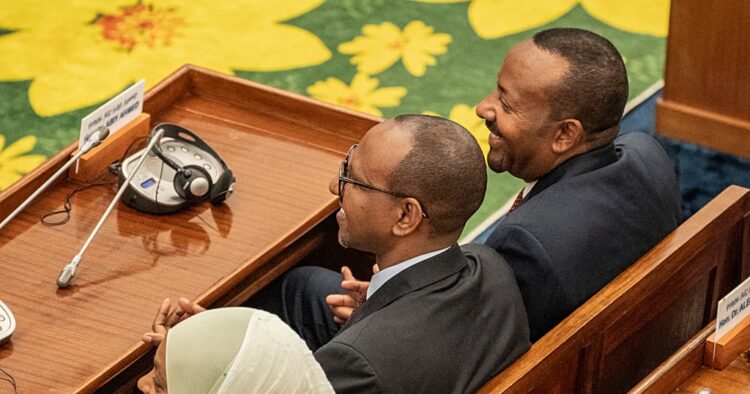
IMF approves new $261 million disbursement for Ethiopia
Comprehensive Summarization:
The International Monetary Fund (IMF) has approved an additional disbursement of $261 million for Ethiopia, concluding the fourth review of the country’s 48-month Extended Credit Facility (ECF). This funding will assist Ethiopia in managing its balance of payments and budgetary requirements, increasing the total IMF disbursements under the program to over $2.18 billion. According to the IMF, Ethiopia’s economy is outperforming expectations, characterized by robust growth, increased exports, enhanced revenue collection, and rising foreign reserves. Simultaneously, inflation is showing signs of easing. The ECF has been instrumental in supporting Ethiopia’s economic recovery and stability.
Key Points:
Actionable Takeaways:
Enhanced Economic Stability in Ethiopia: The IMF’s disbursement provides Ethiopia with the financial resources needed to stabilize its economy, manage external payments, and potentially invest in infrastructure and development projects. This could lead to further economic growth and improved living standards for the population.
Opportunities for Travel and Tourism Sector: With Ethiopia’s economy showing strong growth and increased foreign reserves, there may be emerging opportunities for the travel and tourism sector. Improved economic conditions could boost domestic and international tourism, benefiting local businesses and creating jobs in hospitality and related services.
Contextual Insights:
The approval of the IMF disbursement reflects Ethiopia’s economic resilience and growth trajectory, which is a positive indicator for the travel industry. As Ethiopia continues to attract foreign investment and improve its economic indicators, the travel sector may experience increased demand for travel services, including tourism, business travel, and cultural exchanges. Thought leaders in the travel industry should monitor these developments closely, as they could present new opportunities for market expansion and innovation. Additionally, the easing of inflation suggests a stable economic environment, which is conducive to long-term investment and sustainable growth in the travel and tourism sector.
Read the Complete Article.
Get curated travel AI insights — choose the newsletters that matter to you.
This spot is reserved for brands with a compelling story for the travel trade. They use this space to cut...
Read moreDetailsTravel One Technologies launches the world’s first Traveler DNA Platform, targeting the structural data gap at the core of an...
Read moreDetails