

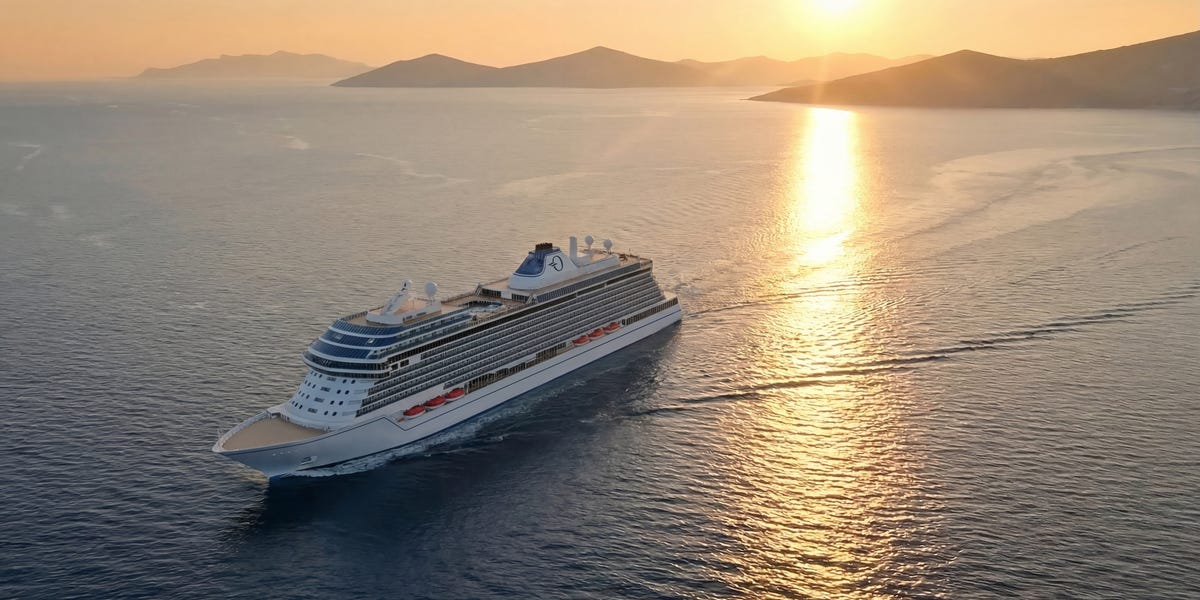








Sail Through Time: Discover the Timeless Wonders of Upper Egypt Aboard Kenzy Dahabeya
Experience the magic of the Nile aboard Kenzy Dahabeya, a luxury boutique sailing cruise that offers an unforgettable journey between...
Read moreDetails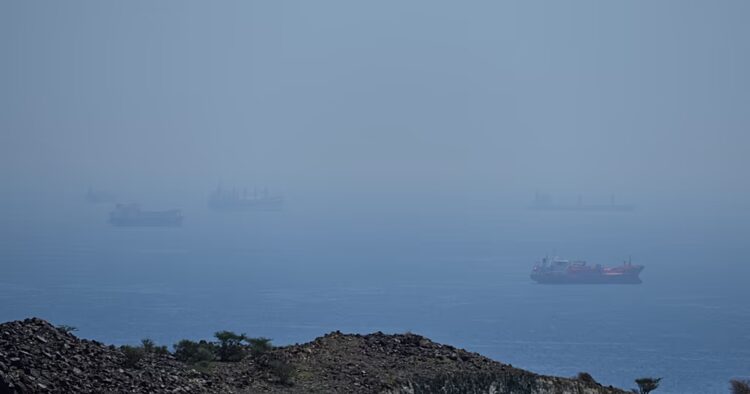
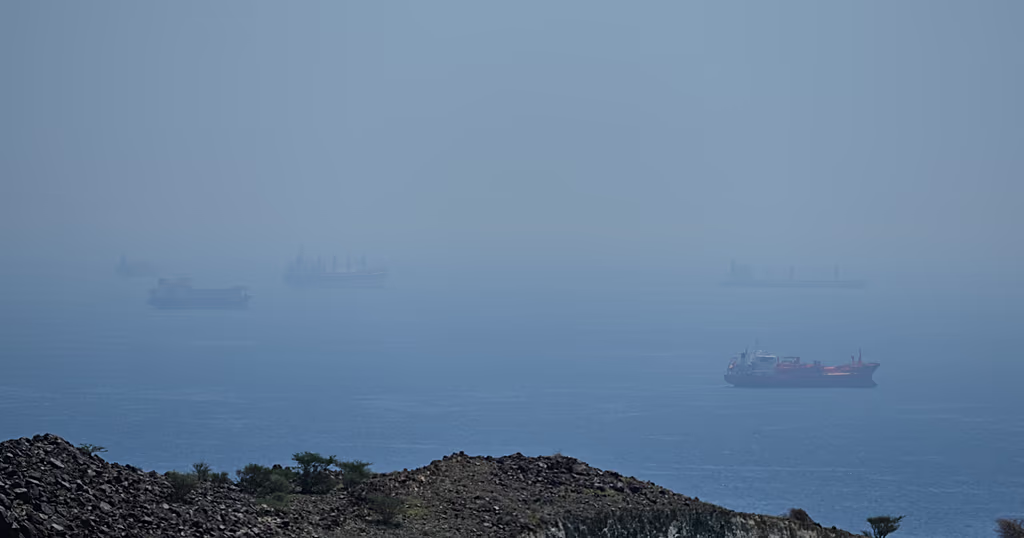
Tensions escalate over Strait of Hormuz, Iran says "no plans" to join talks
Comprehensive Summarization:
The article discusses the ongoing escalation of tensions between the United States and Iran, specifically focusing on the closure of the Strait of Hormuz. This strategic waterway, crucial for global oil trade, remained closed on Monday due to Iran’s reimposition of restrictions, following the US blockade. US President Donald Trump announced that American naval forces had seized an Iranian cargo ship attempting to evade the obstruction. Iran has responded by calling this action “an act of piracy.” With a fragile ceasefire set to expire on Wednesday, the future of peace talks remains uncertain. The article also touches on the potential impact of these tensions on travel and trade routes, highlighting the fragility of international relations in the context of global commerce.
Key Points:
Actionable Takeaways:
Impact on Global Trade: The closure of the Strait of Hormuz poses a significant risk to global oil trade, potentially leading to increased oil prices and supply chain disruptions. Travel and logistics companies should monitor the situation closely and prepare contingency plans to mitigate potential disruptions.
Geopolitical Risks in Travel Industry: The heightened tensions between the US and Iran could lead to increased geopolitical risks for the travel industry, particularly for routes passing through the Strait of Hormuz. Travel agencies and tour operators may need to reassess their itineraries and consider alternative routes to avoid potential disruptions.
Investment in Maritime Security: The seizure of an Iranian cargo ship by US naval forces underscores the importance of maritime security in the region. Travel and logistics companies may need to invest in advanced maritime security technologies and services to protect their assets and ensure safe passage through the Strait of Hormuz.
Contextual Insights:
The article’s context is deeply rooted in the current geopolitical climate, where tensions between major powers can have far-reaching implications for global trade and travel. The closure of the Strait of Hormuz highlights the vulnerability of critical trade routes to political disputes. This situation is particularly relevant for the travel industry, which relies heavily on efficient and secure transportation routes. The potential for increased oil prices and supply chain disruptions underscores the need for the industry to adopt flexible and resilient strategies. Furthermore, the article aligns with the broader trend of increased focus on geopolitical risks in the travel sector, as companies seek to navigate an increasingly complex and uncertain global landscape. Thought leaders in the industry are likely to emphasize the importance of proactive risk management and the adoption of innovative technologies to mitigate these risks.
Read the Complete Article.
Experience the magic of the Nile aboard Kenzy Dahabeya, a luxury boutique sailing cruise that offers an unforgettable journey between...
Read moreDetails



