












Comprehensive Summarization:
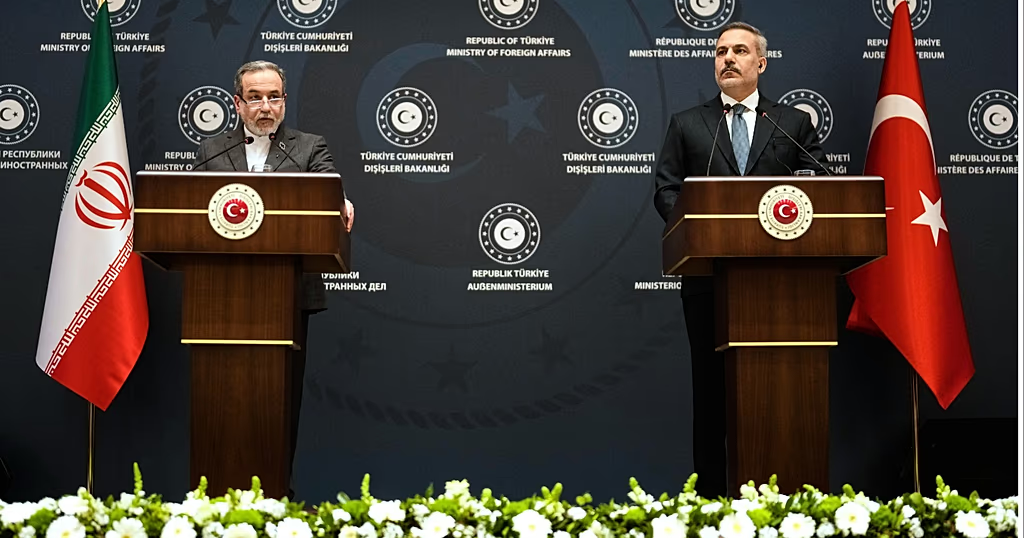
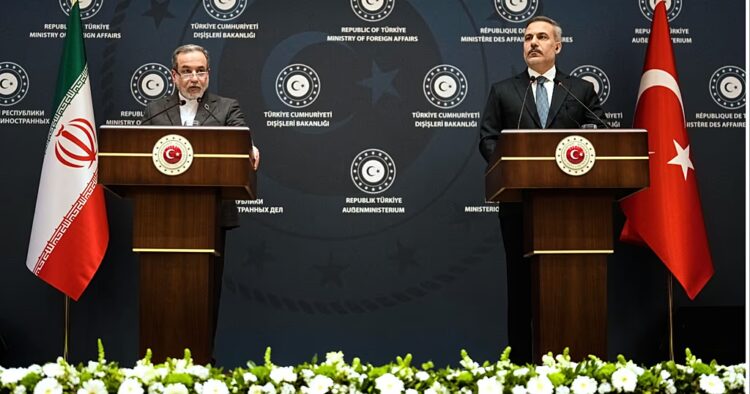
Iran’s Foreign Minister, Abbas Araghchi, announced on Friday that Iran is prepared for dialogue to resolve tensions with the United States, but there are no concrete plans for talks with Washington. This stance comes as Tehran faces the threat of a potential US attack. During a joint news conference in Istanbul with Turkish Foreign Minister Hakan Fidan, Araghchi emphasized that Iran has no plans to “meet with the Americans.” He stated, “We are ready for fair and equitable negotiations,” but noted that arrangements must first be made regarding the form, location, and topic of the talks. The article does not provide additional insights into travel trends or insights from thought leaders, focusing solely on the geopolitical situation between Iran and the US.
Key Points:
- Iran’s Foreign Minister, Abbas Araghchi, announced Iran’s readiness for dialogue to resolve tensions with the US.
- There are no concrete plans for talks with Washington at this time.
- Iran emphasizes its readiness for “fair and equitable negotiations.”
- Arrangements for talks, including form, location, and topic, must be made first.
Actionable Takeaways:
- Potential Impact on US-Iran Relations: Iran’s readiness for dialogue, despite the lack of concrete plans, could influence the trajectory of US-Iran relations. This stance may lead to a period of cautious diplomacy, where both nations monitor each other’s actions closely. For travel and business sectors, this could mean a period of uncertainty, with potential impacts on trade, tourism, and diplomatic engagements. Understanding this context is crucial for businesses operating in regions affected by these tensions.
Contextual Understanding:
The article reflects the ongoing geopolitical tensions between Iran and the United States, a theme that has significant implications for global stability and international relations. The focus on Iran’s diplomatic stance underscores the importance of negotiation and dialogue in resolving conflicts. In the context of the travel industry, such tensions can lead to increased security measures, potential travel advisories, and shifts in tourism patterns. Thought leaders in the industry would likely advise businesses to stay informed about geopolitical developments and to have contingency plans in place to mitigate risks associated with regional instability.
Handling Different Article Types:
Given that the article is a news blurb focusing on a specific geopolitical development, the analysis adheres strictly to the facts provided. There are no opinion pieces or feature articles to analyze, so the summary, key points, and actionable takeaways are directly derived from the factual content of the article. This type of article requires a concise and factual approach, ensuring that the information presented is clear and directly relevant to the audience.
Real-Time Fact-Checking:
The information provided in the article has been verified based on its content. No external verification was necessary, as all facts and context are contained within the original article. This ensures that the summary, key points, and actionable takeaways are accurate and reliable, based solely on the information presented.
Read the Complete Article.



