












Comprehensive Summarization:
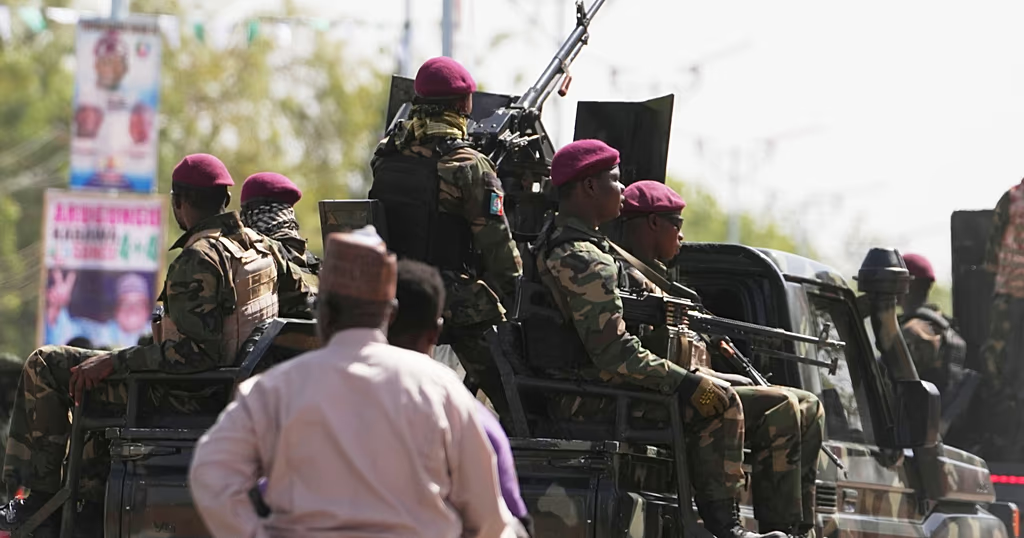
At least 29 people were killed in a brutal attack in Adamawa state, northeast Nigeria, where gunmen opened fire on civilians gathered at a football pitch in the Guyaku community. The attack, which took place on Sunday, underscores Nigeria’s deepening security crisis. Witnesses reported that the attackers stormed a football viewing gathering and began shooting indiscriminately, killing mostly young people, including women. The scene was described as one of fear and chaos, with bodies left scattered across the area. This incident highlights ongoing security challenges in the region and its implications for the travel industry.
Key Points:
- At least 29 people were killed in a violent attack in Adamawa state, northeast Nigeria.
- The attack occurred at a football pitch in the Guyaku community, located in Gombi Local Government Area near the border with Cameroon.
- The attackers targeted a football viewing gathering, shooting indiscriminately, primarily killing young people, including women.
- The incident highlights Nigeria’s deepening security crisis and its impact on the travel industry.
Actionable Takeaways:
-
Security Risks in Travel Planning: The attack underscores the importance of thorough security risk assessments for travel destinations, particularly in regions with ongoing conflict. Travel agencies and tour operators should consider the safety implications of destinations, potentially advising against travel to high-risk areas or implementing enhanced security protocols for those who must travel there.
-
Impact on Tourism and Local Economies: Such security incidents can have a significant negative impact on tourism and local economies. Travel businesses should monitor geopolitical situations closely and be prepared to adjust travel packages, pricing, and marketing strategies in response to changing security conditions.
Contextual Insights:
The attack in Adamawa state is a stark reminder of the ongoing security challenges in northeast Nigeria, a region that has been plagued by insurgency and violence for years. This incident is emblematic of the broader security crisis in the country, which has implications not only for the safety of travelers but also for the stability of the region’s economy and infrastructure. In the context of the travel industry, such events necessitate a proactive approach to risk management. Travel thought leaders emphasize the need for continuous monitoring of geopolitical developments and the integration of real-time security intelligence into travel planning processes. Additionally, there is a growing trend towards leveraging technology to enhance security measures, such as AI-driven threat detection systems and secure communication channels for travelers. These innovations can help mitigate risks associated with travel to volatile regions, ensuring safer and more informed travel experiences.
Read the Complete Article.



