












Comprehensive Summarization:
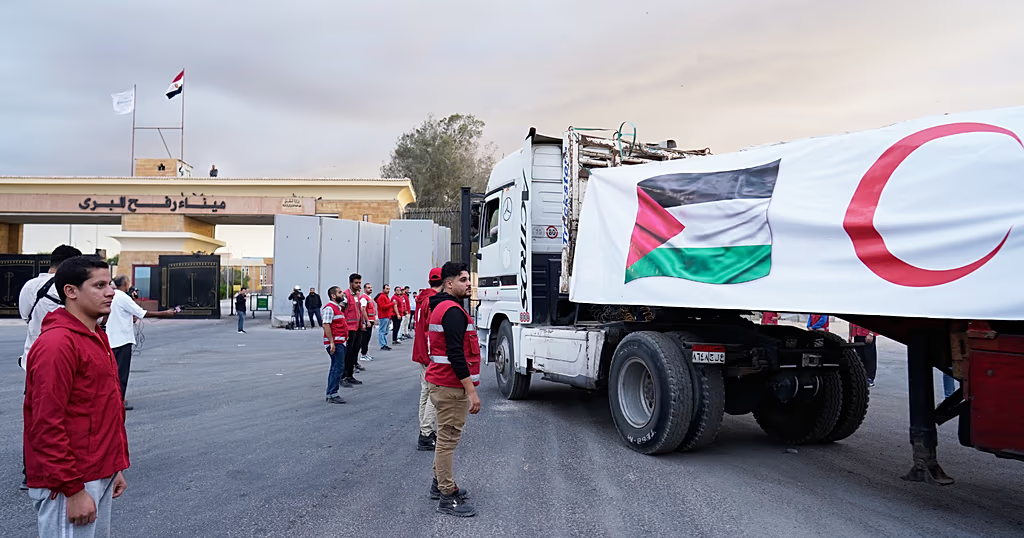
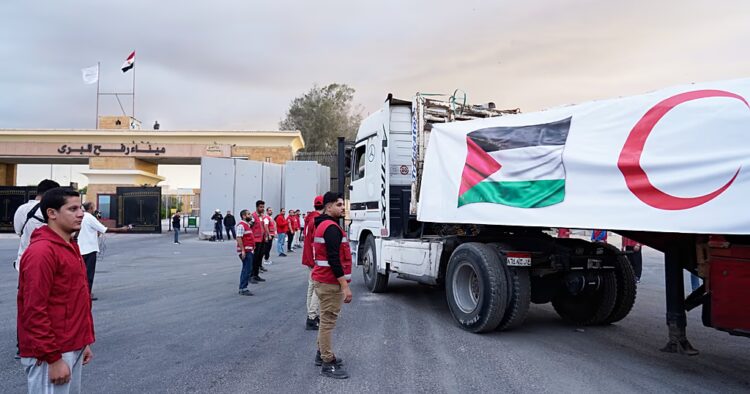
The article reports that Israel has agreed to a “limited reopening” of the Rafah border crossing between the Gaza Strip and Egypt as part of Donald Trump’s peace plan. The crossing will be open “for pedestrian passage only” and “subject to a full Israeli inspection mechanism,” according to a statement from the Israeli prime minister’s office. This development is significant as the Rafah crossing is a key entry point for humanitarian aid in Gaza, having been mostly closed since May 2024. Both humanitarian organizations and the United Nations have long advocated for its reopening, making this agreement a notable step towards improved humanitarian access and potentially impacting travel and aid logistics in the region.
Key Points:
- Israel has agreed to a “limited reopening” of the Rafah border crossing between Gaza and Egypt.
- The crossing will be open for pedestrian passage only and subject to Israeli inspection.
- The Rafah crossing is a critical entry point for humanitarian aid in Gaza, previously closed since May 2024.
- The agreement is part of Donald Trump’s peace plan, highlighting its geopolitical significance.
Actionable Takeaways:
-
Enhanced Humanitarian Logistics: The reopening of the Rafah border crossing could significantly improve the flow of humanitarian aid into Gaza. This development is crucial for organizations providing aid, as it ensures a more reliable and direct route for delivering essential supplies. Travel and logistics companies may need to adapt their operations to accommodate the new inspection protocols, potentially investing in technology to streamline the inspection process and ensure compliance with Israeli regulations.
-
Geopolitical Implications: The agreement is a direct outcome of Donald Trump’s peace plan, which may have broader geopolitical implications for the region. Travel industry stakeholders should monitor how this initiative influences regional stability and international relations. It could open new opportunities for travel and tourism in the region, provided the situation remains stable and safe for travelers.
Contextual Insights:
The reopening of the Rafah border crossing is a pivotal event in the context of the ongoing humanitarian crisis in Gaza. The crossing’s closure since May 2024 has severely limited the flow of aid, exacerbating the already dire conditions in the region. By allowing pedestrian passage under Israeli inspection, Israel is attempting to balance security concerns with humanitarian needs. This move aligns with broader travel industry trends focusing on humanitarian logistics and the importance of secure, efficient aid delivery channels. For startups in travel tech and fintech, this situation presents an opportunity to develop solutions that enhance the efficiency and security of aid logistics, potentially leveraging blockchain or other innovative technologies to ensure transparency and compliance in cross-border transactions.
Handling Different Article Types:
The article in question is a news blurb, providing factual information about a recent development in the Israeli-Palestinian peace process. The summary, key points, and actionable takeaways are structured to reflect the factual nature of the content, ensuring clarity and relevance for a professional audience. The contextual insights draw on current travel industry trends, particularly those related to humanitarian logistics and geopolitical influences on travel and aid operations.
Read the Complete Article.



