












Comprehensive Summarization:
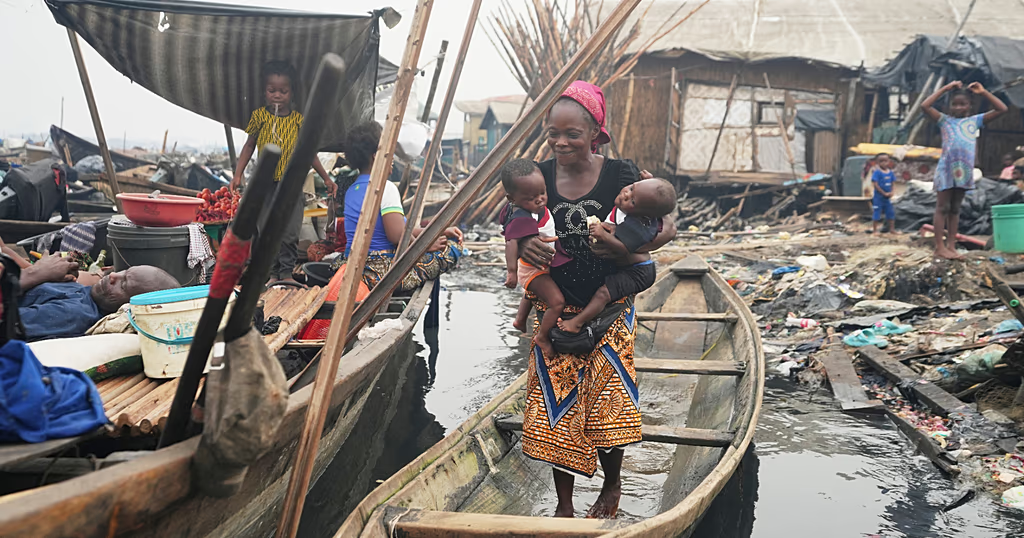
The Lagos State Assembly has intervened to halt ongoing demolitions in the Makoko waterfront community following protests by residents and rights groups. The demonstrations, initially peaceful, turned violent when police intervened with tear gas and attempted arrests. Activists have condemned the police actions and are demanding an independent investigation and the removal of the Police Commissioner. In response to the unrest, lawmakers have ordered a temporary pause to review the process and clarify the guidelines for setting back buildings from the water. Residents have expressed concerns over the situation, highlighting the need for a balanced approach that respects both community rights and safety regulations.
Key Points:
- The Lagos State Assembly intervened to stop demolitions in Makoko, a waterfront community, following violent protests by residents and rights groups.
- Police actions during the protests were condemned, leading to calls for an independent investigation and the removal of the Police Commissioner.
- Lawmakers have ordered a temporary pause to review the demolition process and clarify guidelines for building setbacks from the water.
- Residents are concerned about the implications of the demolitions and the need for a balanced approach.
Actionable Takeaways:
-
Community Safety and Rights: The intervention by the Lagos State Assembly highlights the importance of balancing urban development with community rights and safety. Cities should establish clear guidelines and transparent processes for development projects in sensitive areas to prevent conflicts and ensure community welfare.
-
Need for Independent Oversight: The demand for an independent investigation into police actions underscores the necessity for accountability in law enforcement. Cities should consider establishing independent oversight bodies to monitor police conduct and ensure adherence to human rights standards, particularly in sensitive areas like waterfront communities.
-
Balanced Urban Planning: The pause for review suggests a need for more balanced urban planning practices. Cities should adopt comprehensive planning frameworks that integrate community needs, environmental considerations, and safety regulations to prevent conflicts and ensure sustainable development.
Contextual Insights:
The situation in Makoko reflects broader challenges faced by coastal and waterfront communities worldwide, where rapid urbanization and development pressures often clash with the need to protect vulnerable populations and ecosystems. This case underscores the growing importance of integrating social equity, environmental sustainability, and legal accountability into urban planning and development processes. As travel trends continue to emphasize responsible and sustainable tourism, cities must adapt their policies to support communities like Makoko, ensuring that development does not come at the expense of human rights and environmental integrity. Thought leaders in the travel industry are increasingly advocating for ethical tourism practices that prioritize community welfare and environmental stewardship, making this case a pertinent example for future policy discussions.
Read the Complete Article.



