







No products in the cart.
- Latest
- Trending

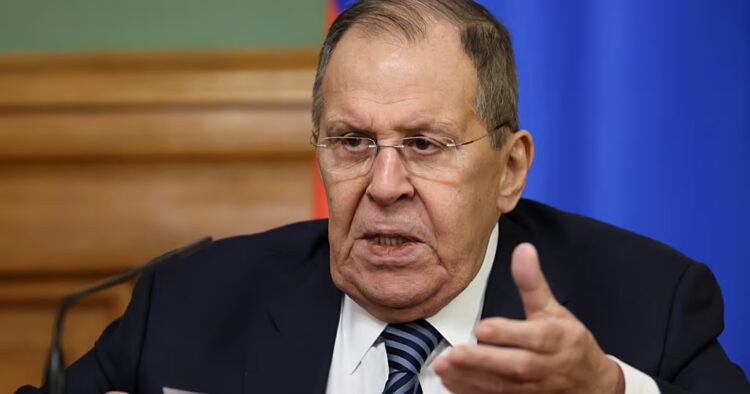
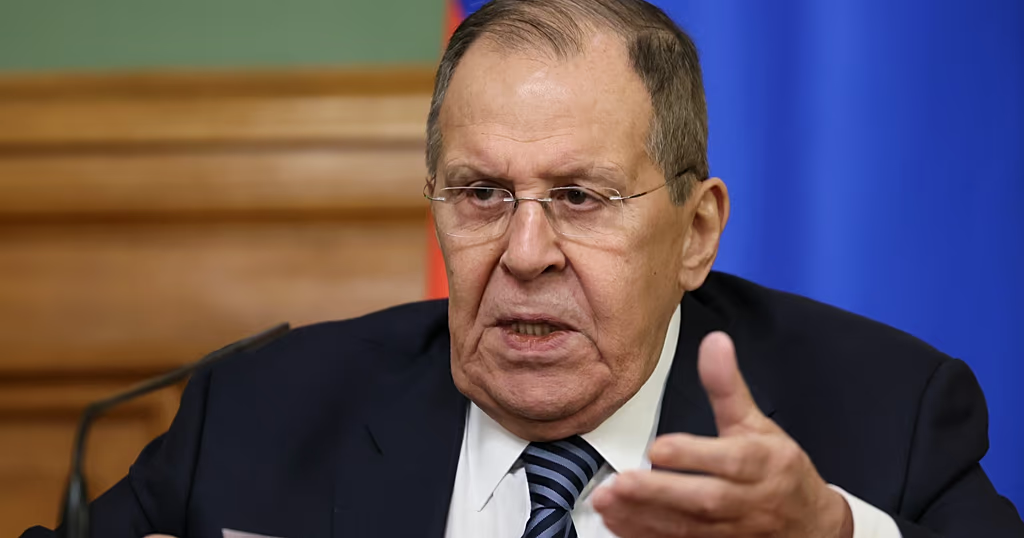
Russian Foreign Minister Sergey Lavrov condemns US operation in Venezuela
Article Summary:
Russian Foreign Minister Sergey Lavrov condemned the recent United States intervention in Venezuela as a “gross violation of international law,” stating that this view is shared by the “overwhelming majority of states in the global South and East.” Lavrov accused the U.S. of abandoning its principles and criticized Western Europeans and other Washington allies for being “timidly trying to avoid making principled assessments.” The intervention, which captured Venezuelan President Nicolás Maduro and his wife, has sparked mixed reactions, with opposition leaders calling for new elections and Venezuelans abroad celebrating the arrest of Maduro. The U.S. claims the operation was justified on self-defense grounds, citing drug trafficking, while international lawyers argue it violates the UN charter.
Key Points:
Actionable Takeaways:
Reevaluation of International Law Application: The U.S. intervention in Venezuela raises questions about the application of international law. Travel and business leaders should monitor how other nations interpret and enforce international law in similar scenarios, as it may impact diplomatic relations and business operations in conflict zones.
Impact on Venezuelan Travel and Trade: The capture of Maduro and the subsequent U.S. stance could lead to increased uncertainty in Venezuela’s travel and trade sectors. Companies operating in Venezuela should reassess their risk management strategies, considering potential travel advisories and trade restrictions. This may also influence investment decisions in the region.
Shift in Diplomatic Alliances: The U.S. intervention may alter diplomatic alliances and partnerships. Travel agencies and businesses should stay informed about evolving geopolitical dynamics, as shifts in international relations can affect visa policies, travel advisories, and market access in Venezuela and neighboring countries.
Contextual Insights:
The U.S. intervention in Venezuela reflects broader geopolitical tensions and the application of military force to address perceived threats, such as drug trafficking. This event underscores the increasing complexity of international relations and the potential for military actions to have far-reaching implications beyond immediate security concerns. For the travel industry, such events can lead to heightened security concerns, changes in travel advisories, and shifts in consumer behavior. Thought leaders emphasize the importance of staying informed about geopolitical developments to navigate these challenges effectively. The event also highlights the need for businesses to remain adaptable and prepared for rapid changes in international policies and regulations.
Read the Complete Article.
Get curated travel AI insights — choose the newsletters that matter to you.
This spot is reserved for brands with a compelling story for the travel trade. They use this space to cut...
Read moreDetailsTravel One Technologies launches the world’s first Traveler DNA Platform, targeting the structural data gap at the core of an...
Read moreDetails