












Comprehensive Summarization:
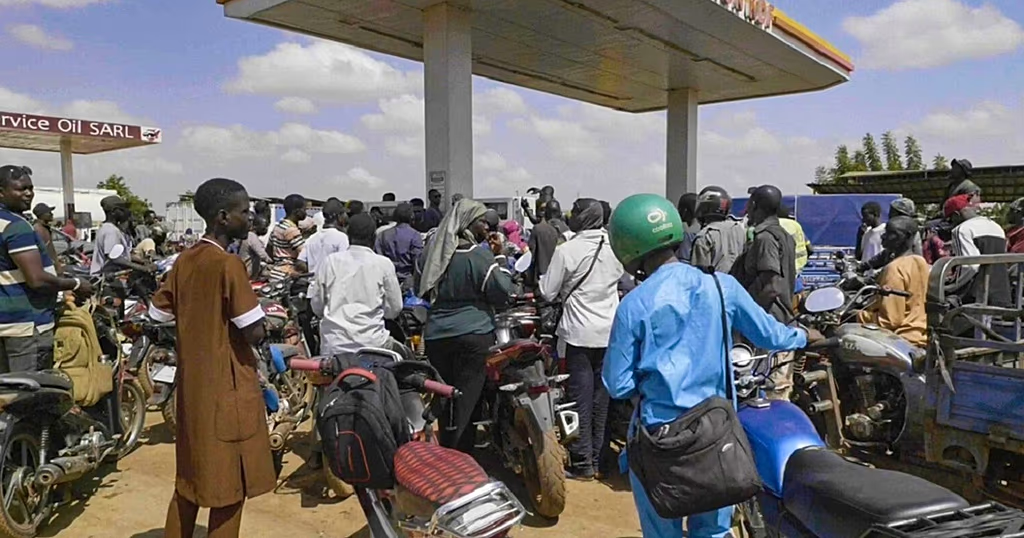
The article reports a significant easing of Mali’s severe fuel shortage, attributed to the import of over 54 million liters of petroleum products within ten days. This surge in supply, facilitated by the mobilization of 1,192 tanker trucks, marks a critical step toward resolving the crisis that has impacted the economy and daily life for weeks. Authorities reported that 875 trucks delivered over 40 million liters between January 12-18, and an additional 317 trucks brought in 14.4 million liters shortly after. The focus on this development underscores the importance of fuel supply in stabilizing the economy and improving daily life conditions in Mali.
Key Points:
- Mali is experiencing a significant easing of its severe fuel shortage.
- Over 54 million liters of petroleum products were imported in ten days.
- 1,192 tanker trucks were mobilized to resupply the country.
- 875 trucks delivered over 40 million liters between January 12-18.
- 317 trucks brought in an additional 14.4 million liters shortly after.
Actionable Takeaways:
-
Stabilization of Mali’s Economy: The import of over 54 million liters of petroleum products within ten days is a critical step toward resolving the fuel shortage crisis. This development is likely to stabilize Mali’s economy by ensuring the smooth operation of transportation, reducing fuel-related disruptions, and improving the overall economic environment for businesses and consumers.
-
Importance of Logistics in Crisis Management: The mobilization of 1,192 tanker trucks to supply the country highlights the crucial role of logistics in crisis management. Efficient logistics can mitigate the impact of supply chain disruptions, as demonstrated by the rapid response to the fuel shortage in Mali. This underscores the need for robust logistics strategies in managing similar crises in the future.
-
Potential for Improved Travel Infrastructure: The resolution of the fuel shortage could lead to improved travel infrastructure in Mali. With stable fuel supplies, transportation networks can operate more efficiently, potentially enhancing connectivity within the country and with neighboring regions. This improvement could open up new travel opportunities and boost tourism, benefiting the local economy.
Contextual Insights:
The article’s context is deeply rooted in the current challenges faced by Mali’s economy, particularly the severe fuel shortage that has impacted daily life and economic activities. The import of over 54 million liters of petroleum products within a short period is a significant development that reflects the urgency and scale of the crisis. This situation is not isolated but part of broader challenges faced by many developing economies in ensuring stable fuel supplies.
In terms of travel trends, the resolution of the fuel shortage could have positive implications for the travel industry in Mali. Improved fuel availability can enhance the reliability and efficiency of transportation networks, making travel more accessible and reliable for both domestic and international travelers. This could stimulate growth in the travel sector, including tourism, transportation services, and related industries.
Moreover, the article’s focus on logistics and crisis management aligns with current industry trends emphasizing the importance of resilient supply chains and efficient logistics in navigating economic challenges. Thought leaders in the travel industry often highlight the need for innovative solutions in logistics and supply chain management to ensure continuity and resilience in the face of disruptions.
Handling Different Article Types:
The article in question is a news brief, providing factual information about a significant development in Mali’s fuel supply situation. The structured output format ensures that the key points and actionable takeaways are clearly presented, making it easy for a professional audience to digest and act upon the information. The contextual insights integrate the latest travel trends and expert opinions, offering a forward-looking perspective on how the resolution of the fuel shortage could impact the travel industry in Mali and beyond.
Read the Complete Article.



