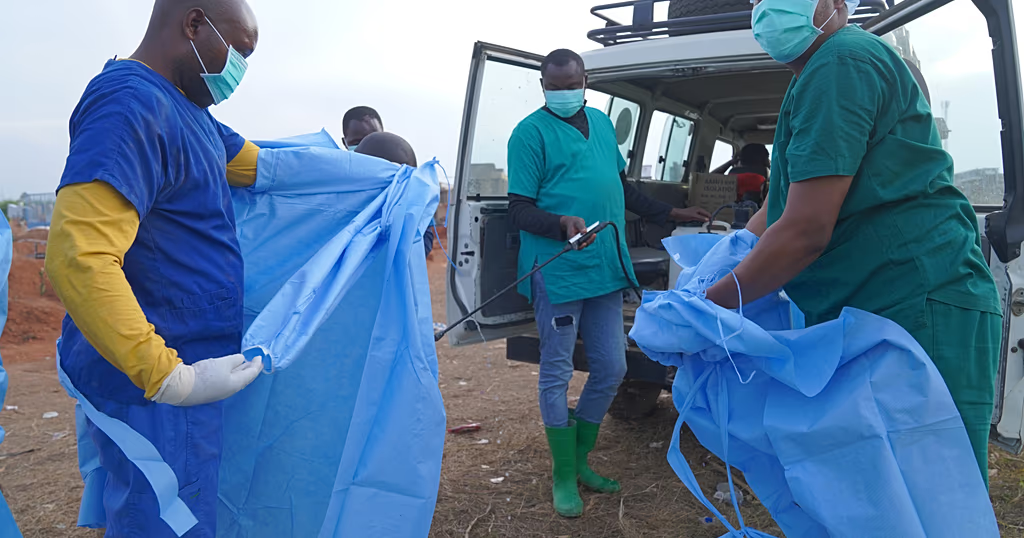
UN chief urges $1.1 billion to fight Ebola outbreak
THE NEWS: United Nations Secretary‑General António Guterres said an additional $1.1 billion is urgently needed to fight the Ebola outbreak, as the...
Read moreDetailsEvery alert that matters — when it happens.
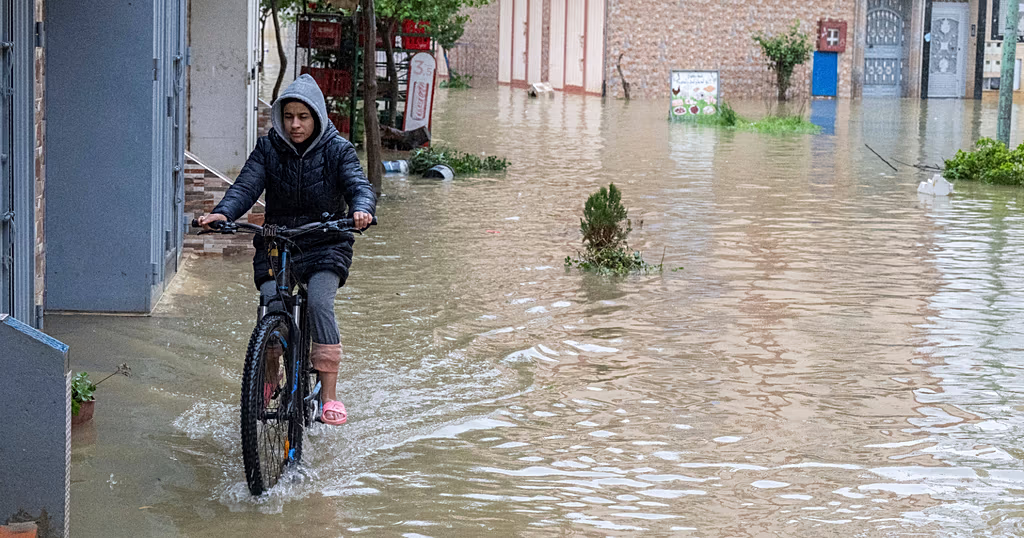
Morocco flood disaster: Ksar El Kebir underwater as 140,000 forced to flee
Comprehensive Summarization:
The article reports on the severe flooding in northern Morocco, particularly in the town of Ksar El Kebir, which has been inundated by floodwaters following days of heavy rainfall and the overflow of the Loukkos wadi. Security forces have been actively evacuating residents, including the elderly and children, as entire neighborhoods have been submerged. The flooding has forced over 140,000 people from their homes across several northern provinces, with Larache province being among the hardest hit. In Ksar El Kebir, located about 100 kilometers south of Tangier, residents were rescued from rooftops using small boats. The article also touches on neighboring Sidi Kacem province, where over 10,000 people were rescued. This event highlights the ongoing challenges faced by the travel industry in regions prone to natural disasters, emphasizing the need for robust evacuation strategies and emergency response systems.
Key Points:
Actionable Takeaways:
Enhanced Evacuation Strategies: The article underscores the importance of developing and implementing advanced evacuation strategies, particularly in regions prone to natural disasters. This includes leveraging technology for real-time monitoring and rapid response systems to minimize displacement and ensure the safety of residents.
Investment in Disaster Preparedness: Authorities and travel industry stakeholders should invest in disaster preparedness measures, such as early warning systems and emergency shelters. This proactive approach can mitigate the impact of flooding and other natural calamities on travel and tourism, ensuring continuity and safety for travelers.
Contextual Insights:
The flooding in northern Morocco highlights the vulnerability of travel-dependent regions to natural disasters. As the travel industry continues to recover from the impacts of the COVID-19 pandemic, it is crucial to integrate resilience and adaptability into travel planning and operations. The article reflects a broader trend of increased focus on emergency preparedness and the role of technology in enhancing safety and response capabilities. Thought leaders in the travel sector are increasingly advocating for the adoption of smart technologies and data-driven solutions to anticipate and mitigate the effects of natural disasters. This context suggests that the travel industry must evolve its risk management strategies to remain competitive and resilient in the face of emerging challenges.
Read the Complete Article.
THE NEWS: United Nations Secretary‑General António Guterres said an additional $1.1 billion is urgently needed to fight the Ebola outbreak, as the...
Read moreDetails

Experience the magic of the Nile aboard Kenzy Dahabeya, a luxury boutique sailing cruise that offers an unforgettable journey between...
Read moreDetails