












Comprehensive Summarization:
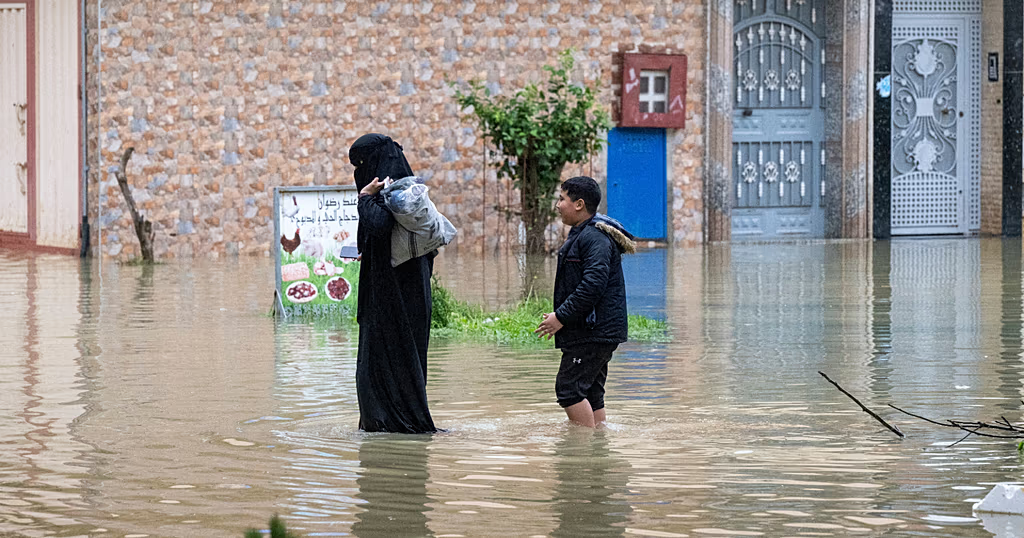
The article reports on a significant evacuation effort in northern Morocco due to severe downpours that have flooded large parts of the region. Over 140,000 people have been evacuated to ensure their safety. While the precautionary measures were effective for many, some residents in Ksar El-Kébir had to be rescued from rooftops as water levels rose dangerously high. The article underscores the gravity of the situation and the authorities’ efforts to protect the population amidst the disastrous weather conditions.
Key Points:
- More than 140,000 people have been evacuated from northern Morocco due to heavy downpours causing widespread flooding.
- Several provinces in the north were placed under weather alert warnings following the flooding.
- In Ksar El-Kébir, residents had to be rescued from rooftops as water levels rose, indicating the severity of the flooding.
- The evacuation efforts highlight the authorities’ response to the disastrous weather conditions in the region.
Actionable Takeaways:
-
Enhanced Weather Monitoring Systems: The article emphasizes the importance of robust weather monitoring systems in regions prone to severe flooding. Investing in advanced meteorological technologies can help authorities provide timely warnings, potentially saving lives and reducing the scale of evacuations. This aligns with current industry trends towards integrating IoT and AI in travel safety solutions.
-
Preparedness and Evacuation Protocols: The article underscores the need for well-rehearsed evacuation protocols. Travel agencies and local authorities should regularly update and communicate evacuation plans to residents, especially in flood-prone areas. This takeaway is crucial for minimizing panic and ensuring a swift, orderly evacuation process during natural disasters.
-
Investment in Flood-Resistant Infrastructure: The flooding in Morocco highlights the necessity for investments in flood-resistant infrastructure. Travel startups and fintech companies can play a pivotal role by developing innovative financing solutions for communities to upgrade their infrastructure. This could include microloans or insurance products tailored for flood risk mitigation, fostering resilience in travel-dependent regions.
Contextual Understanding:
The article reflects the ongoing challenges faced by regions susceptible to extreme weather events, a trend exacerbated by climate change. It aligns with the latest travel trends focusing on safety, preparedness, and resilience. Thought leaders in the travel industry are increasingly advocating for proactive measures to safeguard travelers and local populations against natural disasters. The emphasis on evacuation protocols and infrastructure resilience reflects a broader industry shift towards integrating technology and policy to enhance travel safety.
Handling Different Article Types:
The article is a news brief, providing factual information about a recent event in Morocco. The structured output format ensures that the key points and actionable takeaways are clearly delineated, making it easy for readers to digest the information. The contextual insights draw parallels with current industry trends, offering forward-looking perspectives on how the travel sector can adapt to such challenges.
markdown
Comprehensive Summarization:
More than 140,000 people have been evacuated from northern Morocco due to severe downpours causing widespread flooding. The evacuation efforts highlight the authorities’ response to the disastrous weather conditions, with some residents in Ksar El-Kébir having to be rescued from rooftops.
Key Points:
- Over 140,000 people have been evacuated from northern Morocco.
- Several provinces in the north were under weather alert warnings.
- Residents in Ksar El-Kébir had to be rescued from rooftops.
- The article underscores the gravity of the situation and the authorities’ efforts to protect the population.
Actionable Takeaways:
- Enhanced Weather Monitoring Systems: Investing in advanced meteorological technologies can improve timely warnings and reduce evacuation scale.
- Preparedness and Evacuation Protocols: Well-rehearsed evacuation plans are crucial for minimizing panic and ensuring a swift evacuation during natural disasters.
- Investment in Flood-Resistant Infrastructure: Startups and fintech companies can develop financing solutions for communities to upgrade infrastructure, fostering resilience in travel-dependent regions.
Contextual Insights:
The article reflects the challenges posed by extreme weather events exacerbated by climate change. It aligns with current travel industry trends focusing on safety and resilience, advocating for proactive measures to safeguard travelers and populations against natural disasters.
Read the Complete Article.



