












Comprehensive Summarization:
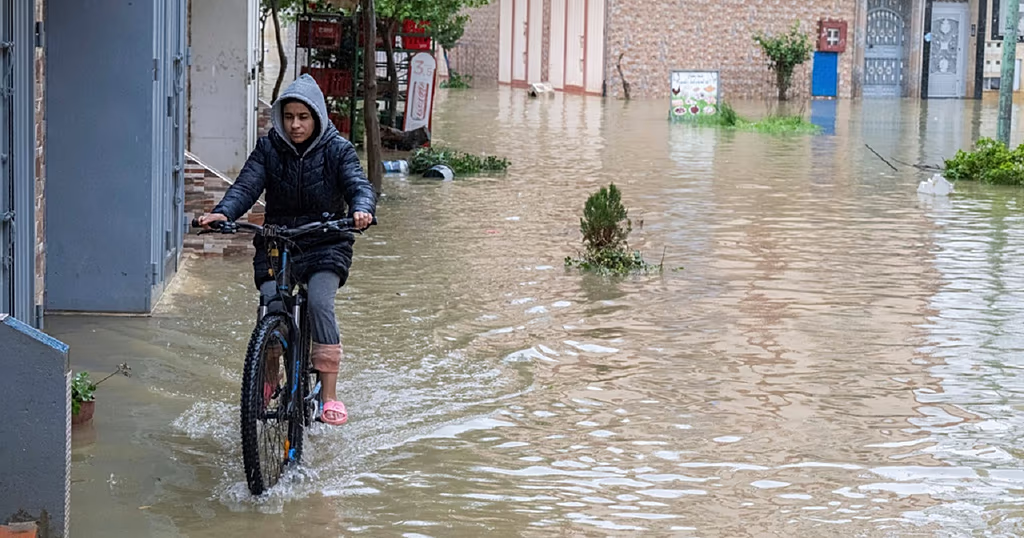
The article reports that over 108,000 evacuations have been recorded in Morocco’s Ksar El Kebir province due to heavy rains causing significant water level rises. Local authorities are urging residents in flood-prone areas to evacuate immediately, as flood risks continue to increase due to heavy rainfall, swollen rivers, and additional water being released from full dams. Helicopters have been deployed to assist in the evacuation process. The article highlights the ongoing emergency operations and the urgent need for residents to take immediate action to ensure safety.
Key Points:
- Over 108,000 evacuations have been recorded in Ksar El Kebir province due to heavy rains and rising water levels.
- Local authorities are urging immediate evacuation of residents in flood-prone areas.
- Flood risks are exacerbated by heavy rainfall, swollen rivers, and water released from full dams.
- Helicopters have been deployed to assist in the evacuation process.
Actionable Takeaways:
-
Evacuation Protocols: Authorities should implement and communicate clear evacuation protocols for flood-prone areas to ensure the safety of residents. This includes setting up safe zones, providing transportation assistance, and ensuring communication channels are open for updates.
-
Infrastructure Preparedness: There is a need for enhanced infrastructure preparedness in flood-prone regions, including the maintenance and monitoring of dams, river management systems, and early warning systems. This can help mitigate future risks and improve response times during emergencies.
-
Utilization of Technology: The deployment of helicopters for evacuation highlights the importance of leveraging advanced technologies in emergency response. Travel and logistics companies can explore integrating drone technology for real-time monitoring of flood conditions and optimizing evacuation routes.
Contextual Insights:
The article reflects the ongoing challenges faced by Morocco in managing natural disasters, particularly floods, which are becoming more frequent and severe due to climate change. This situation underscores the importance of robust emergency response systems and the integration of technology in disaster management. From a travel industry perspective, such events can disrupt travel plans and pose safety risks to tourists. Travel companies may need to develop contingency plans, including flexible booking policies and real-time travel advisories, to mitigate the impact on their customers. Additionally, the focus on helicopter evacuations suggests a growing reliance on advanced aerial solutions in emergency scenarios, which could be an area for innovation and investment in the travel tech sector.
Read the Complete Article.



