












Comprehensive Summarization:
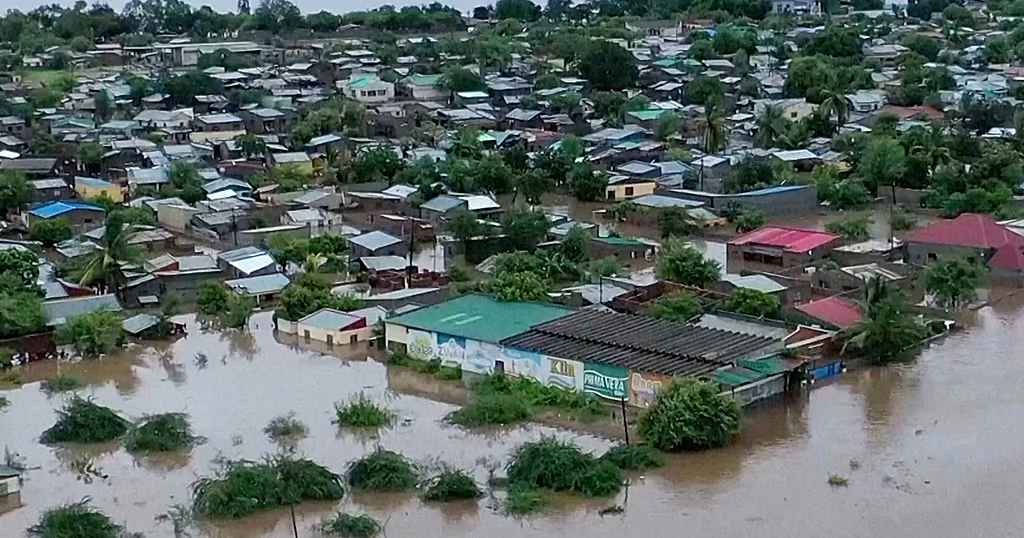
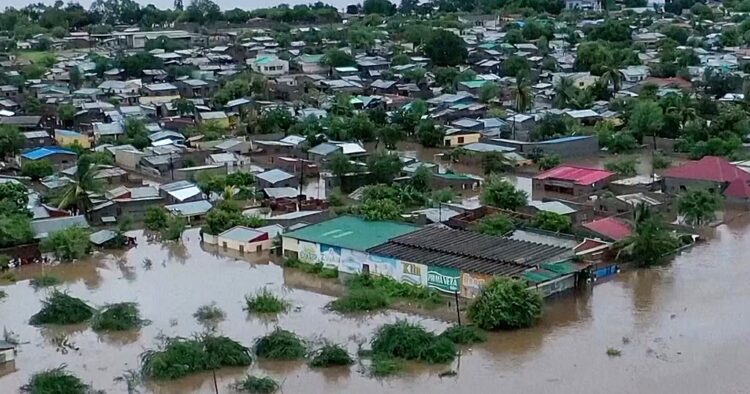
The article reports on catastrophic flooding in Mozambique, affecting over 640,000 people, with a significant portion in Gaza province. The regional capital, Xai-Xai, is submerged, raising concerns about hunger and disease. Local authorities are working with the National Disaster Management Institute (INGD) to coordinate aid efforts, including strengthening shelters, increasing food supplies, and providing more medicine. The situation has led to more than 10,000 people arriving at relief centers in less than 24 hours, necessitating immediate action to address the crisis.
Key Points:
- Over 640,000 people have been affected by flooding in Mozambique, with a majority in Gaza province.
- The regional capital, Xai-Xai, is submerged, leading to fears of hunger and disease.
- Local authorities are collaborating with the National Disaster Management Institute (INGD) to ensure aid reaches those in need.
- Over 10,000 people have arrived at relief centers within 24 hours, requiring immediate shelter, food, and medical support.
Actionable Takeaways:
-
Enhanced Disaster Response Coordination: The collaboration between local authorities and the National Disaster Management Institute (INGD) highlights the importance of swift and effective coordination in disaster response. Travel and logistics companies can benefit from adopting similar coordination models to ensure rapid deployment of resources and services in crisis situations.
-
Increased Focus on Shelter and Medical Preparedness: The urgent need to strengthen shelters and provide more medicine underscores the critical role of preparedness in disaster management. Travel companies and tech startups can innovate by developing solutions that enhance shelter management and medical readiness, such as mobile health clinics or portable shelter technologies.
-
Scalable Food Supply Systems: The rapid influx of people at relief centers necessitates scalable food supply systems. Travel and logistics firms can explore technologies and strategies for efficient food distribution, leveraging supply chain innovations to ensure timely and adequate food delivery to affected areas.
Contextual Insights:
The flooding in Mozambique is a stark reminder of the vulnerabilities faced by developing nations in the face of natural disasters. The article reflects broader trends in the travel industry, such as the increasing importance of disaster preparedness and response capabilities. As climate change continues to exacerbate extreme weather events, there is a growing need for travel companies to integrate robust disaster management strategies into their operations. This includes investing in predictive analytics, emergency response technologies, and partnerships with disaster management agencies to mitigate risks and ensure the safety of travelers and local populations alike.
Moreover, the article aligns with current travel tech trends, such as the use of data analytics for real-time crisis management and the development of mobile applications for emergency communication and resource allocation. These innovations are crucial for enhancing the resilience of the travel industry in the face of unpredictable global events. By adopting these forward-looking strategies, companies can not only improve their crisis response capabilities but also enhance their reputation as responsible and proactive industry leaders.
Read the Complete Article.



