












Comprehensive Summarization:
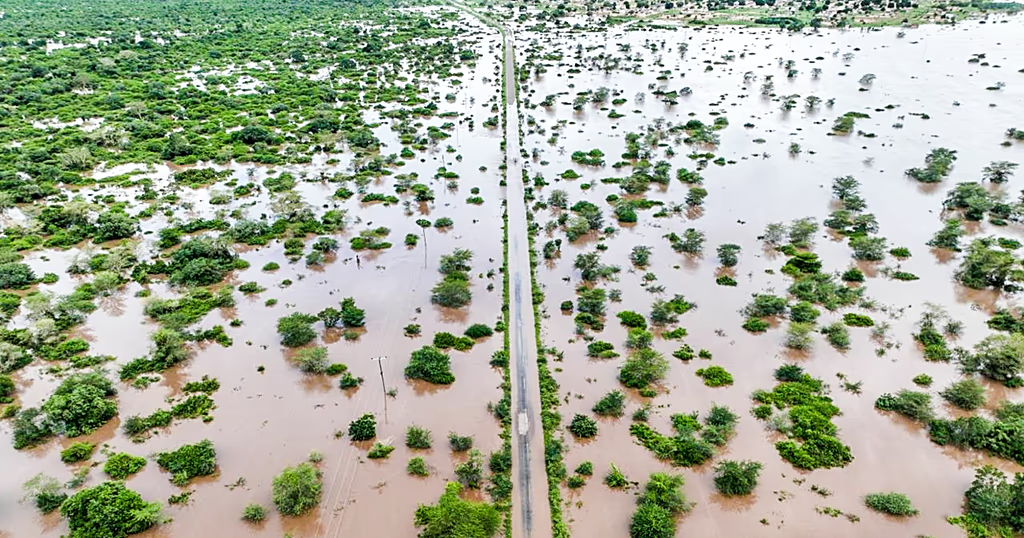
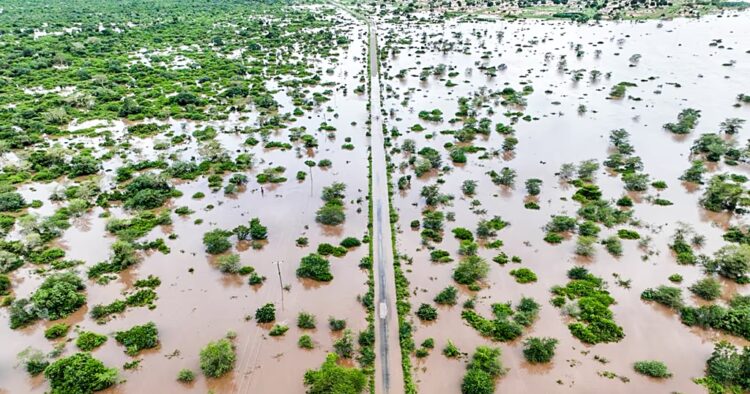
The article reports on the severe flooding in Mozambique’s Maputo province, which has submerged vast areas of land since the rainy season began in October. Over 100 people have been killed, and more than 36,000 people are affected in Maputo province alone. Residents, like Rosita Augusto, are struggling to reach their homes, expressing fear and desperation. The flooding continues to impact travel and daily life in the region, highlighting the urgent need for effective response and recovery efforts.
Key Points:
- Heavy rains have caused severe flooding in Mozambique’s Maputo province, leading to widespread land submersion.
- Over 100 fatalities have been reported since the rainy season started in October.
- More than 36,000 people are affected in Maputo province, with many residents trapped and desperate to return home.
- The flooding has disrupted travel and daily life, posing significant challenges for affected communities.
Actionable Takeaways:
-
Emergency Response and Recovery Efforts: The scale of the flooding necessitates immediate and coordinated emergency response and recovery efforts. Governments and international organizations should prioritize providing safe passage, shelter, and essential supplies to affected residents. This includes deploying rescue teams, setting up temporary shelters, and ensuring access to clean water and healthcare services.
-
Infrastructure Resilience: The incident underscores the need for improved infrastructure resilience in flood-prone areas. Investing in better drainage systems, flood barriers, and early warning systems can mitigate the impact of future flooding events. Travel companies and tourism boards should also reassess their operations in high-risk areas to ensure safety and minimize disruptions.
-
Travel Advisory and Safety Measures: Travel advisories should be issued to warn tourists and business travelers about the risks associated with visiting flood-affected areas. Travel agencies and tour operators should provide safety guidelines and contingency plans for affected destinations. This includes advising on alternative routes, accommodation options, and emergency contact information.
Contextual Insights:
The flooding in Mozambique’s Maputo province is a stark reminder of the increasing vulnerability of regions to extreme weather events, exacerbated by climate change. This situation highlights the growing importance of climate resilience in the travel industry. As travel trends continue to shift towards experiential and sustainable tourism, the industry must adapt by investing in sustainable infrastructure and promoting destinations that prioritize environmental stewardship.
Thought leaders in the travel sector emphasize the need for innovation in travel tech to enhance safety and resilience. Startups focusing on real-time weather monitoring, emergency response coordination, and alternative transportation solutions are crucial in addressing the challenges posed by such natural disasters. Additionally, fintech innovations can play a role in facilitating financial assistance and recovery efforts for affected communities, ensuring that travel-related businesses can quickly recover and resume operations.
In summary, the article underscores the urgent need for effective emergency response, infrastructure resilience, and proactive travel advisories in the face of severe flooding. By integrating these actionable insights with forward-looking perspectives on climate resilience and travel technology, the travel industry can better prepare for and mitigate the impacts of such events.
Read the Complete Article.



