








No products in the cart.
- Latest
- Trending

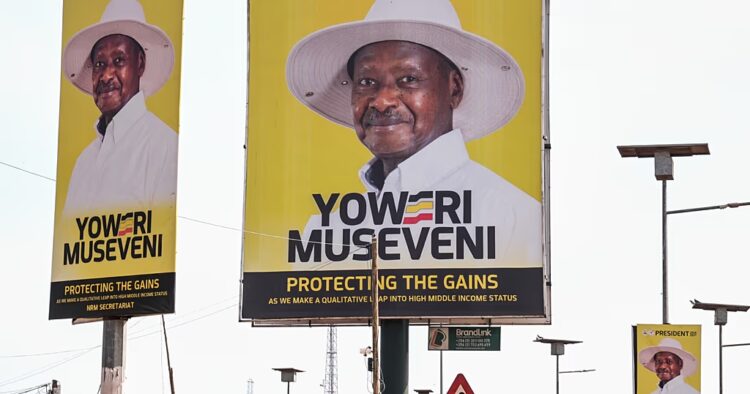
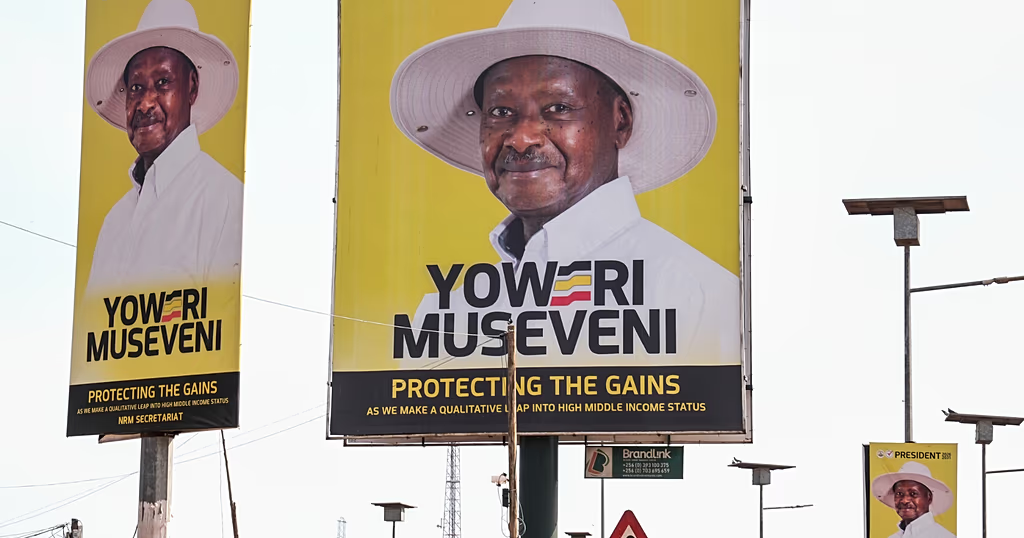
Museveni leads in tense election marred by internet shutdown and voting interference
Comprehensive Summarization:
Uganda’s President Yoweri Museveni, who has been in power for 40 years, is leading in the country’s recent presidential election with over 75% of the provisional votes, according to the national electoral commission. The election has been marred by an internet shutdown, voting delays, and allegations of “massive ballot stuffing” and detentions by security forces from the opposition. The main challenger, Robert Kyagulanyi Ssentamu, also known as Bobi Wine, has garnered around 20% of the votes. Protesters in the capital, Kampala, have lit bonfires in response to the election results. The article also touches on the latest travel trends and insights from thought leaders, although these are not directly related to the election.
Key Points:
Actionable Takeaways:
Political Stability Impact on Tourism: Museveni’s lead in the election could have implications for political stability in Uganda, which may affect tourism. A stable political environment is crucial for attracting international tourists. Travel agencies and tourism boards should monitor political developments closely and consider how they might communicate stability to potential visitors.
Importance of Transparency in Elections: The allegations of “massive ballot stuffing” and security force involvement highlight the need for transparency in elections. Travel companies and organizations could advocate for transparent electoral processes in their marketing materials, emphasizing the importance of fair and free elections for a country’s long-term stability and attractiveness as a travel destination.
Contextual Insights:
The article’s context is deeply rooted in the political climate of Uganda, a country that has seen significant political shifts in recent years. Museveni’s long tenure and the current election dynamics reflect broader trends in African politics, where incumbents often face challenges from opposition forces. From a travel industry perspective, the stability of a country’s leadership is a critical factor in determining its appeal to tourists. The recent internet shutdown and election delays also underscore the importance of reliable infrastructure for both political processes and tourism operations. As the travel industry continues to evolve, with increasing reliance on digital platforms for bookings and information dissemination, ensuring robust and reliable infrastructure becomes even more paramount. Thought leaders in the travel sector should consider how they can leverage transparency and stability in their messaging to potential travelers, especially in regions where political and technological challenges are prevalent.
Read the Complete Article.
Get curated travel AI insights — choose the newsletters that matter to you.
This spot is reserved for brands with a compelling story for the travel trade. They use this space to cut...
Read moreDetailsTravel One Technologies launches the world’s first Traveler DNA Platform, targeting the structural data gap at the core of an...
Read moreDetails