







No products in the cart.
- Latest
- Trending

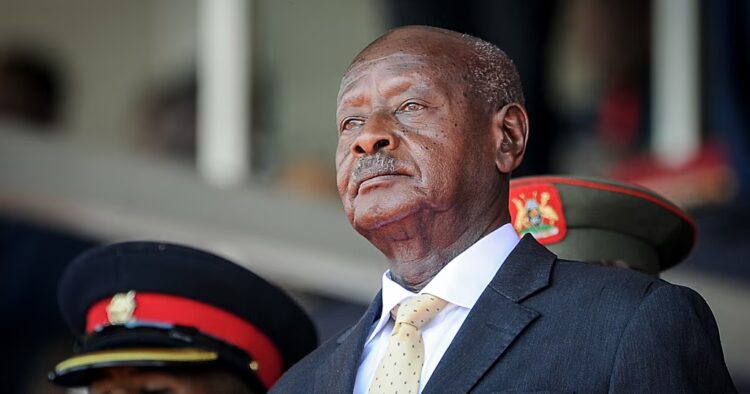
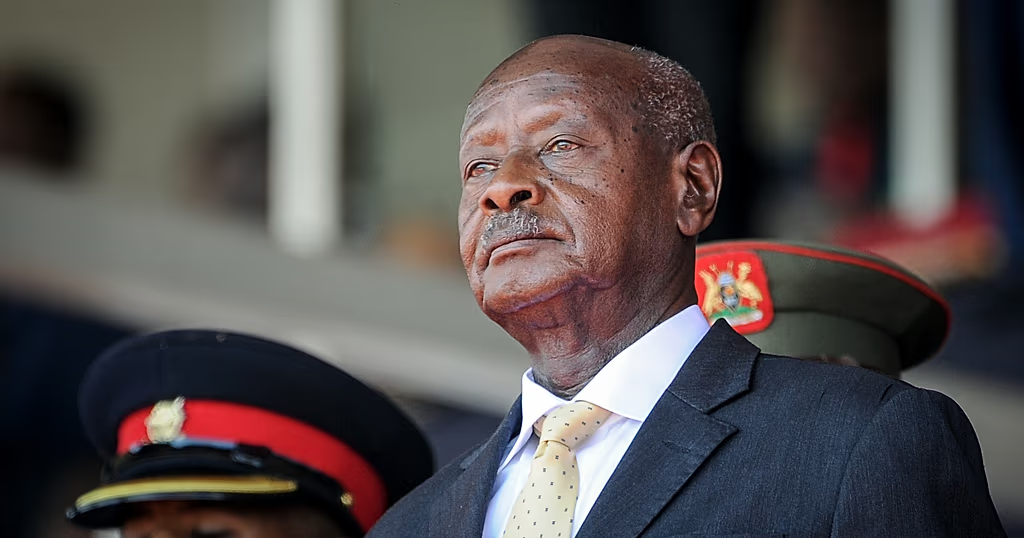
Uganda's President Yoweri Museveni wins seventh term with 71.65% of votes
Comprehensive Summarization:
Ugandan President Yoweri Museveni secured his seventh term with a commanding 71.65% of the votes in the recent elections, as per official results announced on Saturday. His main challenger, Bobi Wine, who campaigned on a platform of change, received 24.72% of the votes. Wine, a musician-turned-politician, has vowed to contest the official results, citing an unfair electoral process that included an internet shutdown, military deployments, and the alleged abduction of his polling agents. The electoral officials have also raised questions regarding the malfunction of biometric voter identification machines during the voting process. This article, while primarily focused on Ugandan politics, also touches upon broader themes relevant to the travel industry, such as the impact of political stability on tourism and the role of technology in electoral processes.
Key Points:
Actionable Takeaways:
Political Stability and Tourism: The stability of a country’s political environment is crucial for tourism. Museveni’s re-election suggests a continuation of the current political stability in Uganda, which could positively impact tourism in the region. Travel agencies and destination marketers should monitor political developments in Uganda to anticipate changes in tourist flow.
Technology in Elections: The reported technical issues with biometric voter identification machines highlight the importance of robust and reliable technology in electoral processes. This could have broader implications for the travel industry, particularly in sectors that rely on secure and transparent voting systems for partnerships or investments. Companies in the travel tech sector may find opportunities in developing and promoting secure voting technologies.
Challenges of Long-Ruling Leaders: Museveni’s seventh term marks four decades of continuous rule. While stability is beneficial for tourism, long-ruling leaders can sometimes face challenges such as resistance to change and potential public discontent. Travel industry stakeholders should consider how political dynamics, including those of long-serving leaders, might influence long-term travel trends and consumer behavior.
Contextual Insights:
The article’s context is deeply rooted in the political landscape of Uganda, a country that has seen significant political shifts in recent years. The election results and the subsequent challenges faced by the electoral process underscore the importance of political stability for sustainable tourism. The reliance on technology, such as biometric voter identification machines, also reflects broader trends in the travel industry where technology plays a critical role in ensuring security and efficiency. As the travel industry continues to evolve, staying abreast of political developments and technological advancements will be essential for making informed decisions and predictions about future trends. The insights provided here align with current industry trends, emphasizing the interconnectedness of political stability, technological advancements, and travel trends.
Read the Complete Article.
Get curated travel AI insights — choose the newsletters that matter to you.
This spot is reserved for brands with a compelling story for the travel trade. They use this space to cut...
Read moreDetailsTravel One Technologies launches the world’s first Traveler DNA Platform, targeting the structural data gap at the core of an...
Read moreDetails