
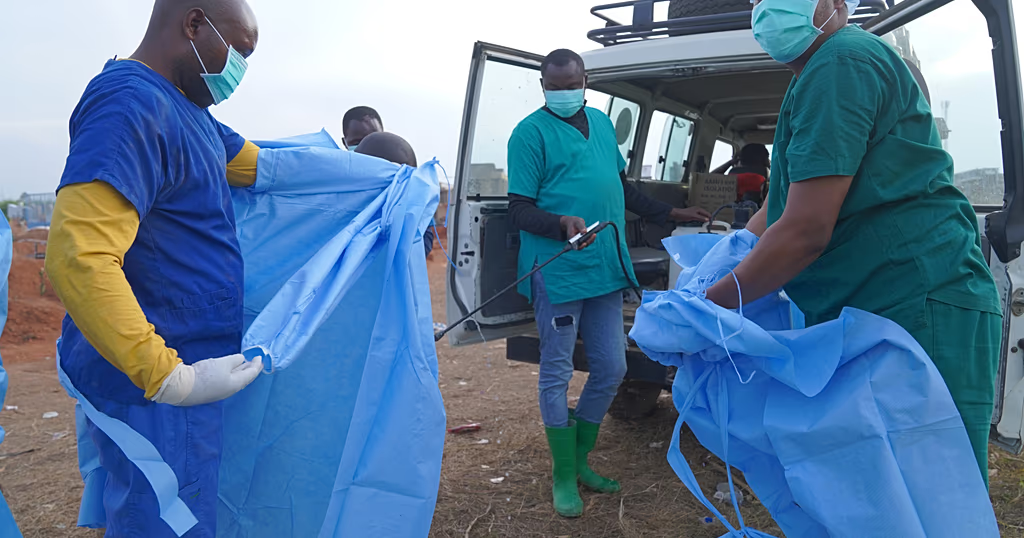
UN chief urges $1.1 billion to fight Ebola outbreak
THE NEWS: United Nations Secretary‑General António Guterres said an additional $1.1 billion is urgently needed to fight the Ebola outbreak, as the...
Read moreDetailsEvery alert that matters — when it happens.

Nigeria: Nurses call off strike after talks with government
A critical strike by Nigerian nurses, which had significantly disrupted healthcare services across the nation, has officially been called off. The Nigerian Association of Nurses and Midwives (NANNM) announced the suspension of their industrial action following constructive dialogue with the federal government. This resolution marks a pivotal moment for the country’s healthcare system, promising a return to normalcy and the resumption of essential medical care for millions of Nigerians.
The strike, which commenced due to a myriad of unresolved grievances, centered on issues such as salary disparities, welfare packages, and better working conditions for nurses and midwives. These dedicated healthcare professionals had expressed deep dissatisfaction with the perceived neglect of their contributions and the persistent challenges they faced in delivering quality patient care. The prolonged industrial action had led to a strain on public health facilities, with many patients being turned away or facing significantly longer waiting times. Essential services, from routine check-ups to critical surgeries, were affected, creating a ripple effect throughout the healthcare ecosystem.
Sources close to the negotiations indicate that the government made significant concessions, addressing key demands put forth by NANNM. While the specifics of the agreement remain under wraps pending official announcements, it is understood that commitments have been made regarding salary adjustments, the implementation of improved hazard allowances, and a structured approach to addressing career progression and professional development for nurses. The dialogue was described as robust and forward-looking, with both parties acknowledging the paramount importance of a stable and motivated nursing workforce.
The resolution of this strike is not only a victory for the nurses but a crucial step towards strengthening Nigeria’s healthcare infrastructure. A well-equipped and motivated nursing cadre is the backbone of any effective health system. Their return to work is expected to immediately alleviate the pressure on hospitals and clinics, allowing for the full restoration of services. This development is anticipated to boost public confidence in the healthcare sector and contribute to improved health outcomes for the population. The government has also reiterated its commitment to fostering a more collaborative relationship with healthcare unions to preempt future industrial disputes and ensure a consistent delivery of medical services. The focus now shifts to the swift implementation of the agreed-upon terms and the sustained effort to build a resilient and efficient healthcare system for all Nigerians.
The article does not contain any specific revenue numbers, KPI’s, or explicit data points. The key takeaways are:
Read the Complete Article.
THE NEWS: United Nations Secretary‑General António Guterres said an additional $1.1 billion is urgently needed to fight the Ebola outbreak, as the...
Read moreDetails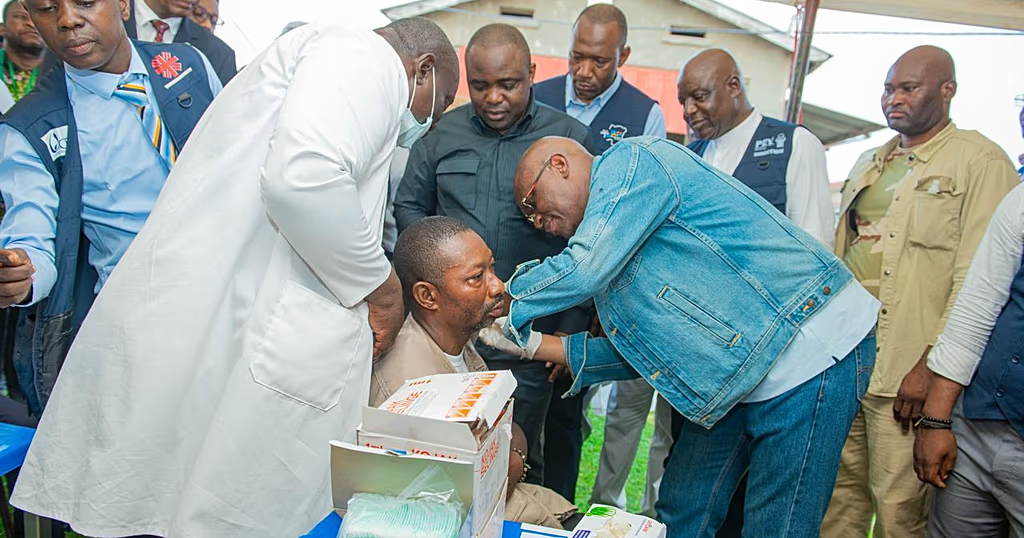

Experience the magic of the Nile aboard Kenzy Dahabeya, a luxury boutique sailing cruise that offers an unforgettable journey between...
Read moreDetails





