









No products in the cart.
- Latest
- Trending

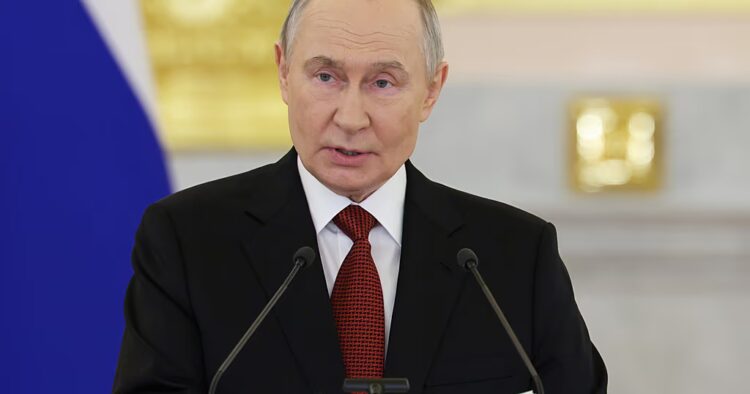
Putin signals willingness to repair ties with Europe
Comprehensive Summarization:
Russian President Vladimir Putin has called for improved diplomatic relations with Europe, expressing readiness to restore dialogue despite current ties being at their lowest since Russia’s full-scale invasion of Ukraine. In his remarks, Putin suggested that relations could return to “normal, constructive communication” based on mutual respect for national interests and security concerns. He emphasized Russia’s openness to “mutually beneficial cooperation with all countries without exception,” framing this as a longstanding position rather than a sudden shift. The article highlights a delicate moment for Europe, where some leaders are grappling with the implications of these developments.
Key Points:
Actionable Takeaways:
Enhanced Diplomatic Engagement: European leaders should consider proactive diplomatic engagement with Russia to explore avenues for cooperation, particularly in areas of mutual interest such as trade, security, and energy. This could help mitigate tensions and foster a more stable geopolitical environment.
Focus on Mutual Benefits: Businesses and startups operating in sectors with potential for mutual benefit with Russia should prioritize building relationships based on shared interests. This could include technology, energy, and financial services, leveraging the principle of “mutually beneficial cooperation” highlighted by Putin.
Risk Assessment and Mitigation: Companies with operations or investments in Russia should conduct thorough risk assessments and develop mitigation strategies. This includes understanding the geopolitical landscape, regulatory changes, and potential impacts on business operations, ensuring resilience in the face of evolving diplomatic relations.
Contextual Insights:
The article’s context is deeply rooted in the current geopolitical tensions between Russia and Europe, particularly following Russia’s full-scale invasion of Ukraine. This situation has significantly strained diplomatic relations, making Putin’s call for improved dialogue a pivotal moment. From a travel industry perspective, this context underscores the importance of adaptability and strategic foresight. Travel startups and fintech companies operating in regions affected by these tensions must remain vigilant, leveraging the opportunity for diplomatic engagement to explore new markets or partnerships. The emphasis on mutual respect and cooperation suggests a potential shift towards more collaborative approaches in international relations, which could open doors for travel and tourism sectors to engage more effectively with European markets. Thought leaders in the travel industry should monitor these developments closely, as they could influence travel trends, consumer behavior, and investment opportunities in the near future.
Read the Complete Article.
Get curated travel AI insights — choose the newsletters that matter to you.
This spot is reserved for brands with a compelling story for the travel trade. They use this space to cut...
Read moreDetailsTravel One Technologies launches the world’s first Traveler DNA Platform, targeting the structural data gap at the core of an...
Read moreDetails