













Comprehensive Summarization:
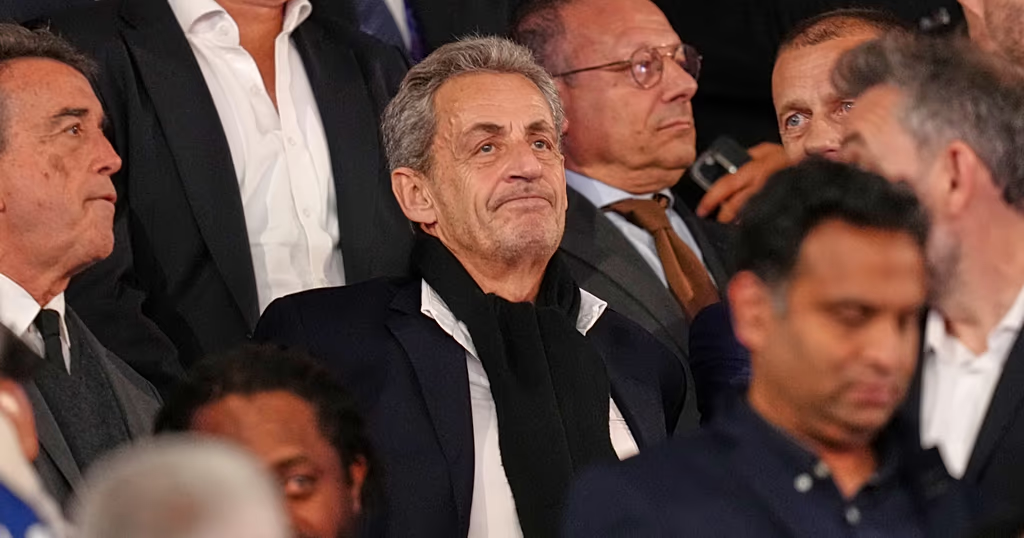
The article details the return of former French President Nicolas Sarkozy to the Paris Court of Appeal for the final hearings in a high-profile case concerning alleged Libyan financing of his 2007 presidential campaign. Sarkozy, 71, vehemently denied any involvement, asserting there was “not a single cent of Libyan money” in his campaign. This case marks the first instance of a former French president serving time in jail over such an affair, with Sarkozy serving 20 days of a five-year sentence before being released pending appeal. The article underscores Sarkozy’s persistent stance against the accusations and the legal proceedings that have followed.
Key Points:
- Nicolas Sarkozy returned to the Paris Court of Appeal for the final hearings in a case alleging Libyan financing of his 2007 presidential campaign.
- Sarkozy denied any involvement, stating there was “not a single cent of Libyan money” in his campaign.
- Sarkozy served 20 days of a five-year sentence before being released pending appeal, becoming the first former French president to spend time in jail over the affair.
- The case highlights the scrutiny faced by public figures regarding financial transparency and political funding.
Actionable Takeaways:
-
Importance of Financial Transparency in Politics: The case serves as a reminder of the critical importance of financial transparency in political campaigns. For political figures and parties, ensuring all funding sources are verifiable and disclosed can mitigate legal risks and maintain public trust.
-
Legal Risks for Former Public Figures: The case illustrates the potential legal repercussions for former public figures, even decades after their tenure. It underscores the need for former leaders to be vigilant about financial dealings and to seek legal counsel when necessary to navigate such allegations.
Contextual Insights:
The article reflects ongoing concerns about financial transparency and legal accountability in politics, particularly for former leaders. In the current travel industry context, where political influence can impact travel policies and tourism trends, maintaining transparency in political funding is crucial. This case serves as a cautionary tale for travel startups and businesses operating in regions with significant political influence, emphasizing the need for robust financial governance and legal compliance. As the travel industry continues to navigate global political landscapes, understanding and adhering to financial transparency standards will be key to avoiding legal pitfalls and maintaining stakeholder trust.
Read the Complete Article.



