












Comprehensive Summarization:
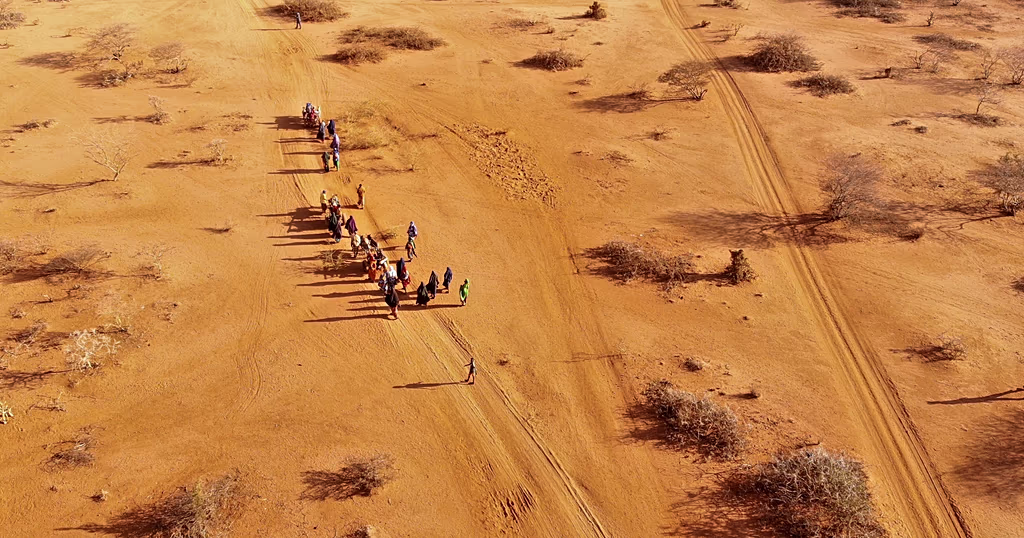
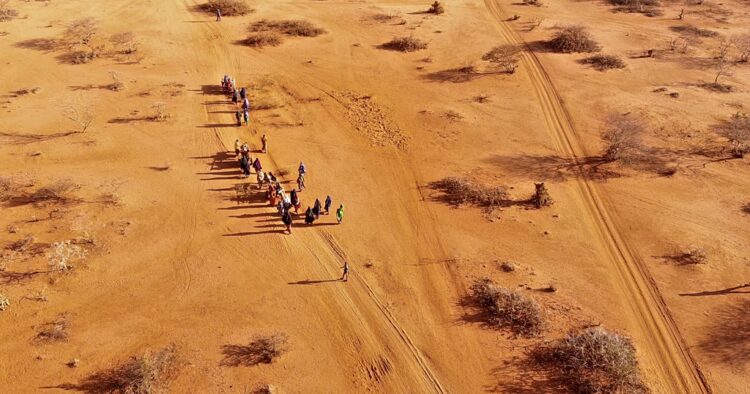
The International Committee of the Red Cross (ICRC) has warned that Somalia is on the brink of a worsening humanitarian emergency due to a prolonged drought. According to the ICRC, 6.5 million people are facing acute hunger as livestock deaths strip families of both food and income. Abdulkadir Mohamed Farah, a herder in Galmudug, has lost 90% of his goats and two-thirds of his camels in less than a year. The article highlights the severe impact of the drought on livelihoods, with families fearing that people may follow the livestock into scarcity. This situation underscores the urgent need for intervention and support to mitigate the humanitarian crisis in Somalia.
Key Points:
- Somalia is experiencing a humanitarian emergency due to a prolonged drought, with 6.5 million people facing acute hunger.
- Livestock deaths are severely impacting families’ food and income sources, with herder Abdulkadir Mohamed Farah losing 90% of his goats and two-thirds of his camels.
- The drought is causing families to fear that people may follow the livestock into scarcity, highlighting the dire situation in drought-stricken regions.
Actionable Takeaways:
- Humanitarian Aid Prioritization: Given the severe impact of the drought on Somalia’s population, prioritizing humanitarian aid and support for affected families is crucial. This includes food assistance, medical support, and livelihood recovery programs to help families rebuild their lives.
- Investment in Drought Resilience: There is a need for increased investment in drought resilience strategies, such as improved water management, drought-resistant crops, and support for sustainable livestock practices. This can help mitigate the impact of future droughts and improve the resilience of vulnerable communities.
- Collaborative Efforts: Encouraging collaborative efforts between international organizations, governments, NGOs, and local communities is essential. By pooling resources and expertise, a more effective and coordinated response to the humanitarian crisis can be achieved.
Contextual Insights:
The article reflects the current state of the humanitarian crisis in Somalia, exacerbated by a prolonged drought that has devastated livelihoods. The situation highlights the urgent need for international support and intervention to prevent further deterioration. In the context of the travel industry, this crisis underscores the importance of responsible travel practices and ethical tourism, ensuring that travel-related activities do not exacerbate existing vulnerabilities in affected regions. Additionally, the article points to the potential for travel tech innovations that can facilitate aid distribution, improve logistics for humanitarian organizations, and enhance the safety and well-being of travelers in crisis zones. As the travel industry continues to evolve, it must remain attuned to such global challenges and adapt its practices to support sustainable and responsible travel.
Read the Complete Article.



