












Comprehensive Summarization:
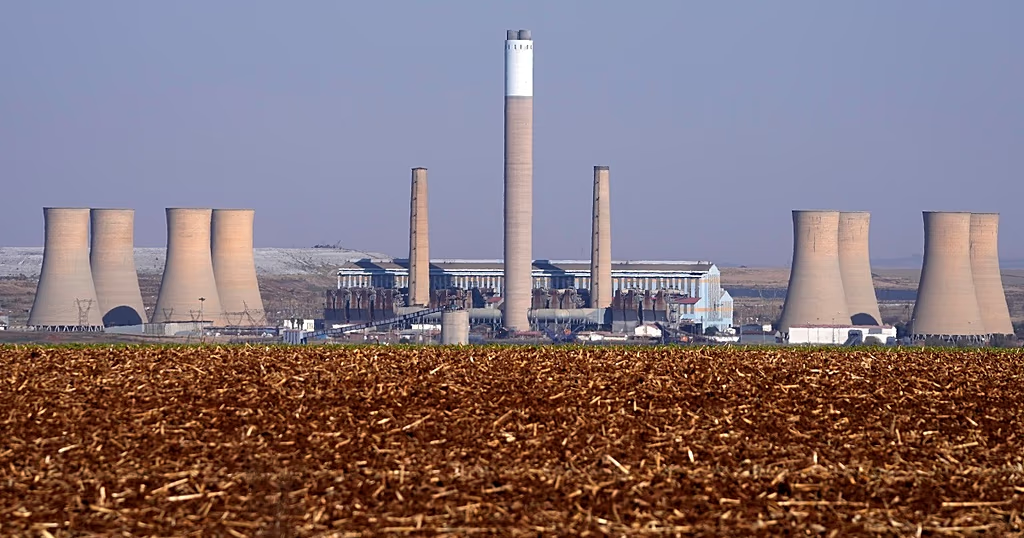
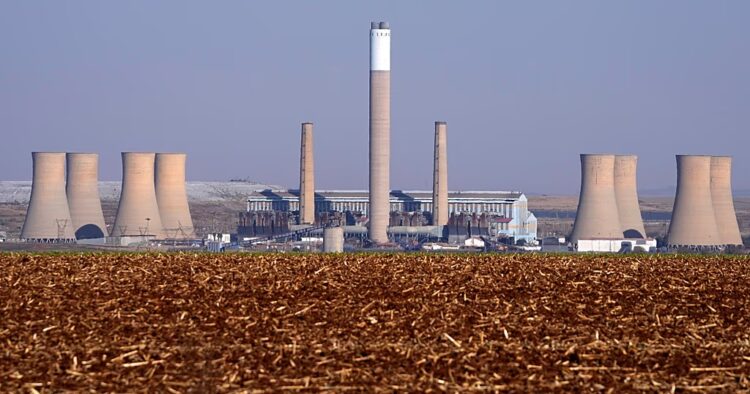
The article discusses the potential health and environmental consequences of delaying the closure of South Africa’s coal-fired power plants. According to climate rights groups, including Greenpeace, CREA, and GroundWork, the continued operation of these plants could lead to up to 32,000 preventable deaths between 2026 and 2050. South Africa currently relies heavily on coal for its power supply, with coal providing 80% of its energy needs. The government has recently approved extended operating dates for 14 coal plants, with some set to run until 2050. The report warns that continued delays in closing these plants would result in significant premature deaths, highlighting the urgent need for a transition to cleaner energy sources.
Key Points:
- Coal-fired power plants provide 80% of South Africa’s power supply.
- The government has approved extended operating dates for 14 coal plants, with some set to run until 2050.
- A new report by Greenpeace, CREA, and GroundWork warns that delaying the closure of these plants could lead to up to 32,000 preventable deaths between 2026 and 2050.
- Gauteng province, home to Pretoria and Johannesburg, has no state-owned coal plants but is projected to be affected by pollution from these plants.
Actionable Takeaways:
-
Transition to Renewable Energy: The article underscores the urgent need for South Africa to transition away from coal and towards renewable energy sources. This is crucial for reducing premature deaths and mitigating the environmental impact of coal-fired power plants. The shift could also position South Africa as a leader in renewable energy adoption in Africa, potentially attracting investment and fostering innovation in the energy sector.
-
Policy and Regulatory Measures: The approval of extended operating dates for coal plants highlights the importance of robust policy and regulatory measures to enforce a timely transition. Governments and regulatory bodies must implement stricter timelines and incentives for coal plant closures to ensure compliance and accelerate the shift to cleaner energy sources. This could set a precedent for other countries facing similar energy challenges.
Contextual Understanding:
The article is set against the backdrop of South Africa’s heavy reliance on coal for energy production, a situation exacerbated by the global push towards decarbonization. The context of climate change and its health impacts adds urgency to the discussion. The article also reflects broader trends in the energy sector, where there is a growing shift towards renewable energy sources as a response to environmental concerns and the need for sustainable development. In the context of the travel industry, this shift could have indirect implications, such as influencing travel destinations’ energy policies and the availability of sustainable travel options.
Handling Different Article Types:
The article is a news brief, providing factual information on a critical issue affecting South Africa’s energy sector. The analysis and insights generated are based strictly on the facts and context provided within the article, adhering to the guidelines for handling news blurbs. No opinion pieces or feature articles are present in this context, so the output focuses solely on factual summarization, key points, actionable takeaways, and contextual insights.
json
{
“summary”: “The article discusses the potential health and environmental consequences of delaying the closure of South Africa’s coal-fired power plants. Up to 32,000 preventable deaths could occur between 2026 and 2050 if these plants continue to operate. Coal provides 80% of South Africa’s power, and the government has approved extended operating dates for 14 coal plants, with some set to run until 2050. A report by Greenpeace, CREA, and GroundWork warns of the significant premature deaths that could result from continued delays in closing these plants.”,
“key_points”: [
“Coal-fired power plants provide 80% of South Africa’s power supply.”,
“The government has approved extended operating dates for 14 coal plants, with some set to run until 2050.”,
“A new report warns that delaying the closure of these plants could lead to up to 32,000 preventable deaths between 2026 and 2050.”,
“Gauteng province, home to Pretoria and Johannesburg, has no state-owned coal plants but is projected to be affected by pollution from these plants.”
],
“actionable_takeaways”: [
{
“takeaway”: “Transition to Renewable Energy”,
“explanation”: “The article underscores the urgent need for South Africa to transition away from coal and towards renewable energy sources. This is crucial for reducing premature deaths and mitigating the environmental impact of coal-fired power plants. The shift could also position South Africa as a leader in renewable energy adoption in Africa, potentially attracting investment and fostering innovation in the energy sector.”
},
{
“takeaway”: “Policy and Regulatory Measures”,
“explanation”: “The approval of extended operating dates for coal plants highlights the importance of robust policy and regulatory measures to enforce a timely transition. Governments and regulatory bodies must implement stricter timelines and incentives for coal plant closures to ensure compliance and accelerate the shift to cleaner energy sources. This could set a precedent for other countries facing similar energy challenges.”
}
],
“contextual_insights”: [
“The article reflects broader trends in the energy sector, where there is a growing shift towards renewable energy sources as a response to environmental concerns and the need for sustainable development. In the context of the travel industry, this shift could have indirect implications, such as influencing travel destinations’ energy policies and the availability of sustainable travel options.”
]
}
Read the Complete Article.



