UN chief urges $1.1 billion to fight Ebola outbreak
THE NEWS: United Nations Secretary‑General António Guterres said an additional $1.1 billion is urgently needed to fight the Ebola outbreak, as the...
Read moreDetailsEvery alert that matters — when it happens.
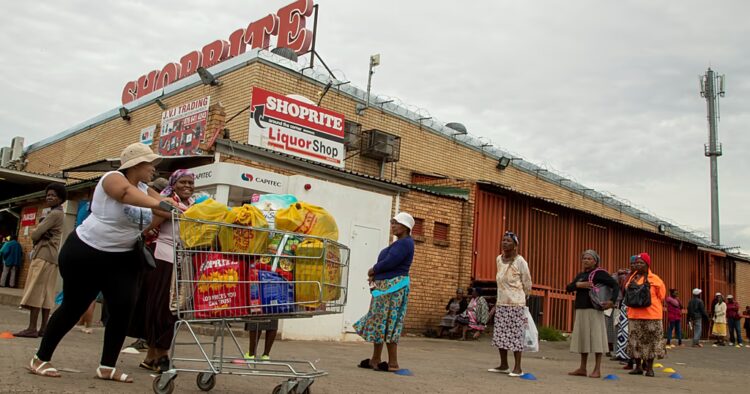
South Africa inflation ticks higher as education and housing costs rise
Comprehensive Summarization:
The article reports on South Africa’s inflation rate, which increased slightly to 3.1% in March from 3.0% in February, according to Statistics South Africa. The rise was primarily driven by increases in housing and utilities, food, and financial services. Six out of thirteen major spending categories saw price increases, with education standing out. Tuition fees climbed by 5.4% this year, with private education experiencing the most significant increase. The article also touches on the latest travel trends and insights from thought leaders, highlighting the importance of staying informed about market conditions, technological advancements, and industry-specific nuances in the travel sector.
Key Points:
Actionable Takeaways:
Monitor Inflation Trends: Given the slight increase in South Africa’s inflation rate, businesses in the travel sector should closely monitor inflation trends to manage costs effectively. This is particularly relevant for sectors like housing, utilities, food, and financial services, which saw significant price increases.
Invest in Education: With tuition fees rising by 5.4% this year, particularly in private education, there may be an opportunity for travel agencies and educational institutions to explore partnerships or collaborations. This could include offering travel packages for students or providing educational travel experiences, tapping into the growing demand for experiential learning.
Leverage Technological Advancements: The article highlights the importance of staying informed about technological advancements in the travel sector. Businesses should invest in or adopt technologies that can help manage costs, improve customer experience, and streamline operations. This could include AI-driven pricing models, digital payment solutions, or data analytics for market insights.
Contextual Insights:
The rise in South Africa’s inflation rate, driven by increases in housing, utilities, food, and financial services, reflects broader economic challenges that could impact the travel sector. Rising costs in these categories could lead to higher prices for travelers, affecting demand and pricing strategies. However, the article also underscores the importance of technological advancements and staying informed about market conditions. Innovations in digital payment solutions, AI-driven pricing models, and data analytics can help travel businesses navigate these challenges by optimizing costs, enhancing customer experiences, and making data-driven decisions. Furthermore, the focus on education as a significant spending category suggests a potential opportunity for travel agencies to develop specialized travel packages or educational travel experiences, aligning with the growing trend of experiential learning. Overall, the article provides a forward-looking perspective on the travel industry, emphasizing the need for adaptability and innovation in response to economic and technological changes.
Read the Complete Article.
THE NEWS: United Nations Secretary‑General António Guterres said an additional $1.1 billion is urgently needed to fight the Ebola outbreak, as the...
Read moreDetails

Experience the magic of the Nile aboard Kenzy Dahabeya, a luxury boutique sailing cruise that offers an unforgettable journey between...
Read moreDetails