












Comprehensive Summarization:
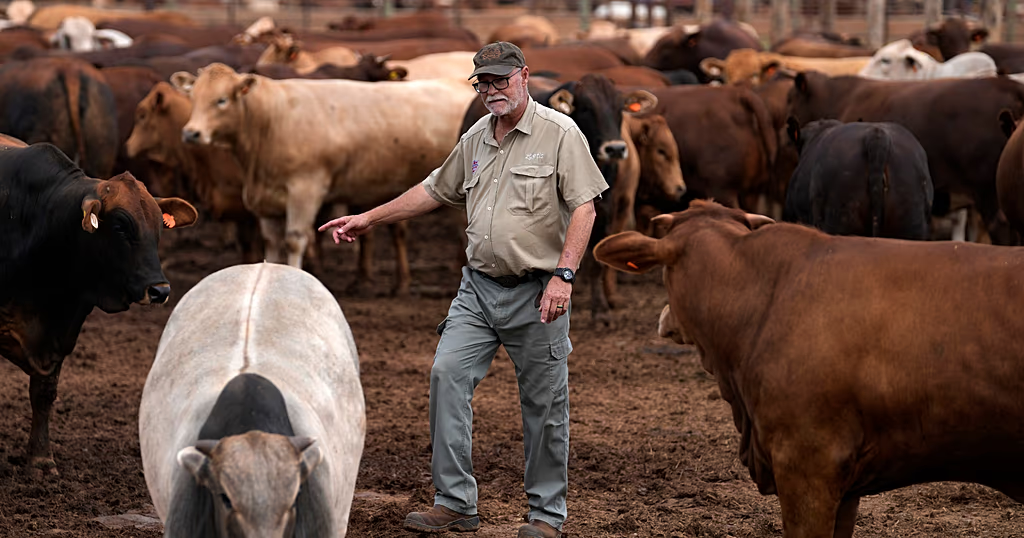
South Africa has initiated a large-scale vaccination program for cattle to combat a foot-and-mouth disease outbreak that has rapidly spread across the country’s livestock industry. As of the article’s publication, over 297,000 cattle have been affected, leading to the culling of more than 120,000 animals to contain the spread. The disease threatens significant disruptions in meat, dairy, and livestock supplies and exports, potentially causing mass shortages, job losses, and millions in lost revenue. Countries like China and Zambia have already banned South African meat exports, exacerbating the economic impact. This situation underscores the vulnerability of global food supply chains to animal health crises and highlights the need for robust disease management strategies in the livestock sector.
Key Points:
- South Africa has launched a mass vaccination campaign for cattle to control a foot-and-mouth disease outbreak.
- The outbreak has affected over 297,000 cattle and resulted in the culling of more than 120,000 animals.
- The disease threatens disruptions in meat, dairy, and livestock supplies and exports, impacting economies reliant on these sectors.
- Banning of South African meat exports by countries such as China and Zambia has already begun, indicating the severity of the situation.
- The outbreak highlights the potential for animal health crises to disrupt global food supply chains.
Actionable Takeaways:
-
Invest in Disease Surveillance Systems: Countries and industries should invest in advanced disease surveillance systems to detect and respond to outbreaks of livestock diseases more quickly. This can help minimize economic disruptions and protect global food supply chains.
-
Diversify Export Markets: Countries heavily reliant on meat and livestock exports, like South Africa, should diversify their export markets to reduce dependency on any single market. This strategy can mitigate the impact of trade bans and protect against economic shocks caused by disease outbreaks.
-
Enhance Biosecurity Measures: Implementing and enforcing stringent biosecurity measures in livestock farms can prevent the spread of diseases. This includes regular health checks, quarantine protocols for new animals, and strict sanitation practices.
Contextual Insights:
The outbreak of foot-and-mouth disease in South Africa is a stark reminder of the interconnectedness of global food supply chains and the potential impact of animal health crises on economies worldwide. The recent bans on South African meat exports by countries like China and Zambia illustrate the vulnerability of international markets to such outbreaks. This situation underscores the importance of robust biosecurity measures and effective disease management strategies in the livestock sector. Furthermore, the crisis highlights the need for innovation in travel and logistics sectors to ensure the safe and efficient transport of livestock and food products across borders. As the travel industry continues to evolve, integrating advanced technologies for real-time disease monitoring and rapid response mechanisms will be crucial in safeguarding global supply chains and maintaining consumer confidence in food safety.
Read the Complete Article.



