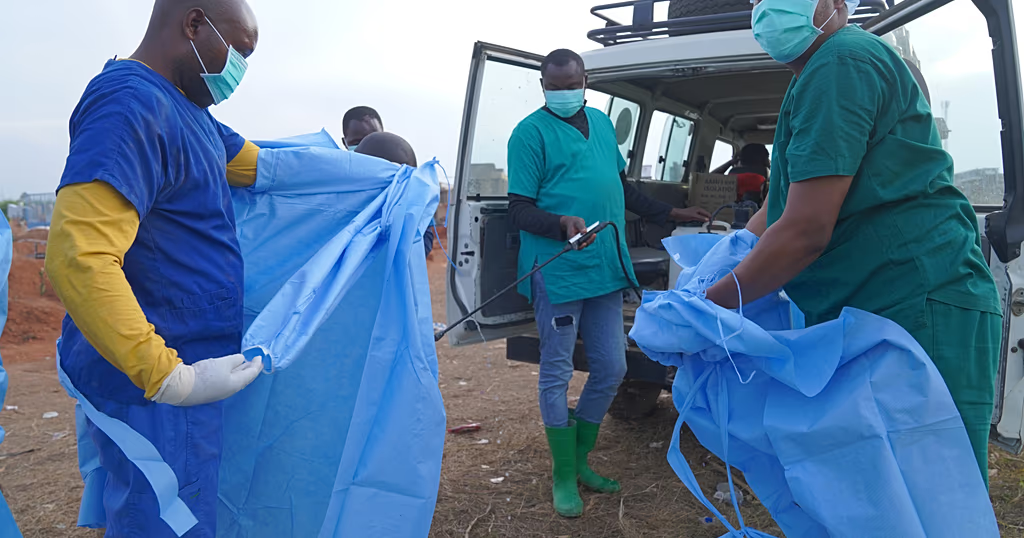
UN chief urges $1.1 billion to fight Ebola outbreak
THE NEWS: United Nations Secretary‑General António Guterres said an additional $1.1 billion is urgently needed to fight the Ebola outbreak, as the...
Read moreDetailsEvery alert that matters — when it happens.
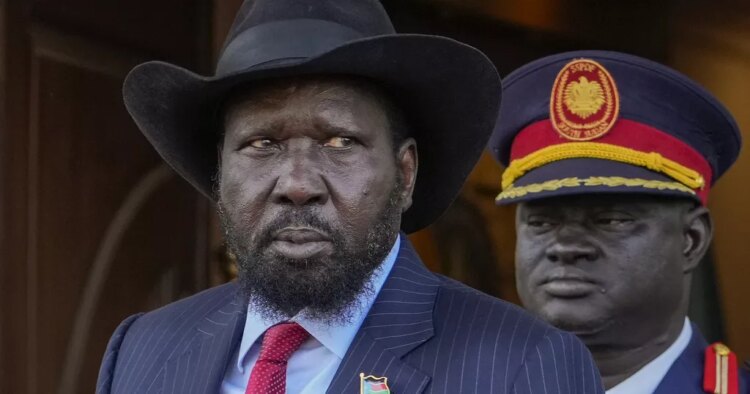
South Sudanese government insists it is not at war despite heavy fighting
Comprehensive Summarization:
The article discusses the ongoing conflict in South Sudan, specifically in Jonglei State, where heavy fighting between President Salva Kiir’s forces and those of his rival, Riek Machar, has escalated. Despite the intensity of the clashes, the South Sudanese government maintains that it is not at war. The United Nations has highlighted that the current scale of the clashes is unprecedented since the 2018 peace agreement. The conflict erupted in late December in Jonglei State, located north of the capital, Juba. The government’s security operation in the region is described as a lawful and necessary measure to halt the rebel forces’ advance.
Key Points:
Actionable Takeaways:
Stability Concerns in South Sudan: The ongoing conflict in Jonglei State poses significant stability concerns for South Sudan. For travel and business sectors, this could mean potential risks for operations and investments in the region. Companies should closely monitor the situation and consider contingency plans for any disruptions.
Impact on Travel and Tourism: The conflict could have a detrimental impact on travel and tourism in South Sudan. The security situation in Jonglei State and the broader region may deter tourists and business travelers. Travel agencies and tourism boards should reassess their strategies and consider the safety of their clients when planning trips to the area.
Contextual Insights:
The conflict in South Sudan is a critical issue within the broader context of African geopolitics and regional stability. The ongoing tensions between President Salva Kiir and Riek Machar reflect deep-seated political divisions and historical grievances. The United Nations’ assessment of the conflict’s scale underscores the severity of the situation and the need for international intervention. From a travel industry perspective, such conflicts can lead to significant disruptions, affecting not only tourism but also business travel and humanitarian aid operations. Thought leaders in the travel sector are likely to emphasize the importance of risk assessment and contingency planning in the face of such geopolitical instability. The article aligns with current industry trends that highlight the need for adaptability and resilience in the face of unpredictable global events.
Read the Complete Article.
THE NEWS: United Nations Secretary‑General António Guterres said an additional $1.1 billion is urgently needed to fight the Ebola outbreak, as the...
Read moreDetails

Experience the magic of the Nile aboard Kenzy Dahabeya, a luxury boutique sailing cruise that offers an unforgettable journey between...
Read moreDetails