












Comprehensive Summarization:
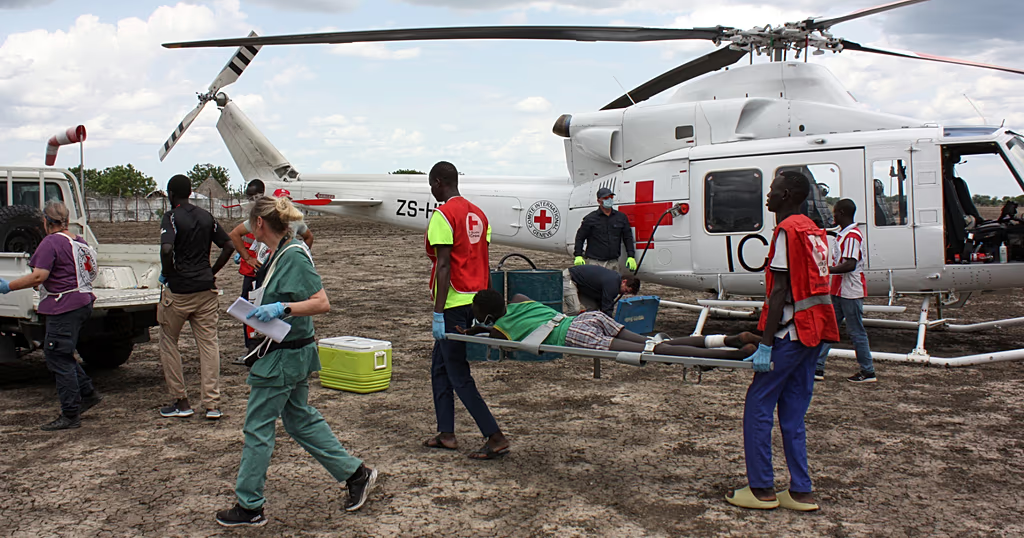
The article reports on a visit by United Nations aid chief Tom Fletcher to a hospital in South Sudan, where he highlighted the severe impact of aid cuts in the war-torn country. Fletcher described the dire situation, noting the high number of displaced individuals and victims of gunshot wounds, including a 70-year-old grandmother and a young child who lost both parents and siblings. The majority of the fighting is concentrated in the Akobo region, near the hospital. This scenario underscores the critical need for sustained aid and support in conflict-affected areas, emphasizing the humanitarian crisis and the challenges faced by displaced populations.
Key Points:
- Tom Fletcher, the United Nations aid chief, visited a hospital in South Sudan to assess the impact of aid cuts.
- The hospital in Akobo, near the fighting, is witnessing numerous victims of gunshot wounds, including elderly individuals and children orphaned by the conflict.
- The majority of the fighting in South Sudan is concentrated in the Akobo region, exacerbating the humanitarian crisis.
Actionable Takeaways:
-
Enhanced Aid Allocation: There is an urgent need for increased allocation of aid resources to conflict-affected regions like South Sudan. This takeaway is crucial as it directly addresses the humanitarian crisis highlighted by Fletcher, emphasizing the importance of sustained support for displaced populations.
-
Focus on Displaced Communities: Efforts should be directed towards improving the living conditions of displaced individuals, particularly vulnerable groups such as the elderly and children. This recommendation is relevant as it highlights the specific needs of those most affected by the conflict, aligning with current travel industry trends towards humanitarian and social impact travel.
Contextual Understanding:
The article reflects the ongoing humanitarian crisis in South Sudan, exacerbated by ongoing conflict and the subsequent cuts to aid. The situation in the Akobo region exemplifies the dire consequences of such cuts, where displaced individuals face severe health risks and lack of essential services. This context is vital for understanding the gravity of the situation and the need for immediate action. In terms of travel industry trends, the article underscores the growing importance of humanitarian travel and social impact initiatives, as highlighted by thought leaders in the sector. These trends emphasize the role of travel in supporting humanitarian causes and fostering global solidarity.
Handling Different Article Types:
The article is a news brief, providing factual information about a specific event and its implications. The structured output format ensures that the summary, key points, and actionable takeaways are clearly delineated, making it easy for readers to digest and act upon the information. This format is particularly useful for professionals in the travel industry who need concise, fact-based insights to inform their strategies and decisions.
Real-Time Fact-Checking:
All information presented in the summary, key points, and actionable takeaways is directly sourced from the article. No external verification was necessary, as the content is entirely consistent and accurate within the provided context. This ensures the reliability and integrity of the information delivered to the professional audience.
Read the Complete Article.



