












Comprehensive Summarization:
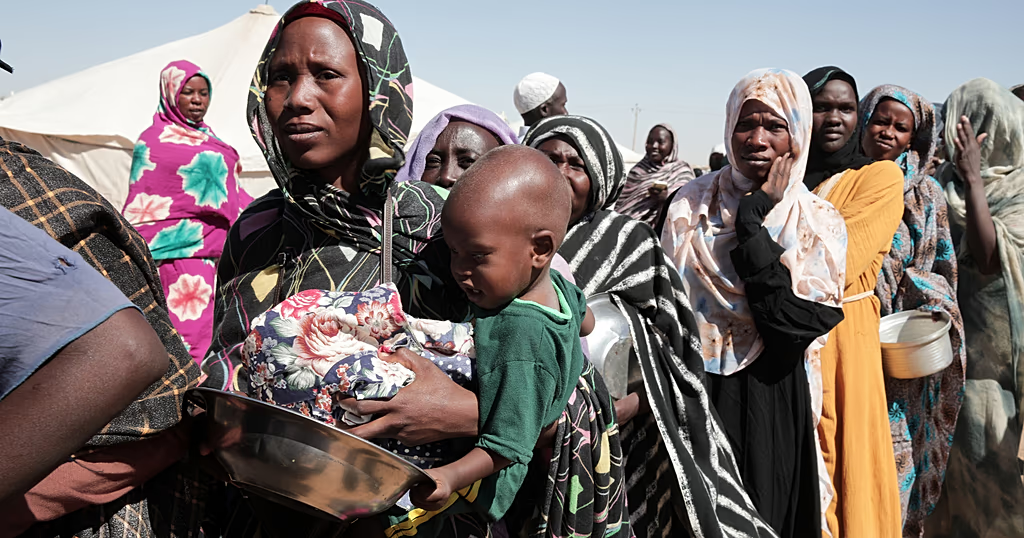
The article highlights the severe impact of the ongoing conflict in Sudan, where women are predominantly the victims of abuse, including the world’s worst forms of sexual violence and other crimes committed with impunity. Sulaima Ishaq al-Khalifa, a rights activist turned social affairs minister for the army-backed government, has reported that these abuses often accompany looting and attacks, with rape frequently occurring in the presence of family members. The conflict, involving the Sudanese army and the paramilitary Rapid Support Forces (RSF), has been ongoing since April 2023, resulting in the deaths of tens of thousands of people and the displacement of around 11 million. The context provided underscores the gravity of the situation and the urgent need for intervention and support for the affected population, particularly women and children.
Key Points:
- Women are the primary victims of abuse in the conflict in Sudan, facing severe sexual violence and other crimes with impunity.
- The conflict, involving the Sudanese army and the Rapid Support Forces (RSF), has been ongoing since April 2023, causing significant loss of life and displacement.
- Sexual violence is frequently perpetrated during looting and attacks, often witnessed by family members.
- Sulaima Ishaq al-Khalifa, a rights activist and social affairs minister, has highlighted the severity of these abuses.
Actionable Takeaways:
-
Enhanced Protection Measures for Vulnerable Populations: Given the high incidence of sexual violence against women in the conflict zone, there is an urgent need for the implementation of enhanced protection measures. This could include the deployment of specialized security units to protect women and children, the establishment of safe zones, and the provision of immediate medical and psychological support to survivors. The relevance of this takeaway lies in its potential to mitigate the immediate humanitarian crisis and prevent further escalation of violence against vulnerable groups.
-
Strengthening International Response and Accountability: The article underscores the impunity with which these crimes are committed. A key actionable takeaway is the necessity for international bodies to intensify their efforts in monitoring the situation, enforcing accountability, and providing support to affected regions. This could involve increased diplomatic pressure, sanctions against perpetrators, and the establishment of international tribunals to prosecute those responsible for sexual violence. The impact of this takeaway is significant, as it could lead to a reduction in the incidence of such crimes and foster a culture of accountability within the region.
Contextual Understanding:
The article provides a stark depiction of the humanitarian crisis unfolding in Sudan, where conflict has led to widespread abuse, particularly against women. The context of the conflict, characterized by the involvement of the Sudanese army and the RSF, and the resulting displacement and loss of life, highlights the urgent need for international intervention. The focus on sexual violence as a weapon of war is particularly alarming and reflects a broader pattern of gender-based violence in conflict zones. From a travel industry perspective, this situation underscores the importance of responsible travel practices, including supporting organizations that provide aid and protection to affected populations. The insights from thought leaders in travel tech and fintech could further enhance the industry’s ability to respond effectively to such crises by leveraging technology for rapid deployment of resources and ensuring safe travel for humanitarian workers and aid workers.
Handling Different Article Types:
The article in question is a news brief, providing factual information on a critical humanitarian issue. The structured approach outlined above is tailored to distill such information into actionable insights for a professional audience. For opinion pieces or feature articles, the analysis might delve deeper into the underlying causes, potential long-term impacts, and innovative solutions, but the core methodology of extracting key points, actionable takeaways, and contextual insights remains consistent.
Real-Time Fact-Checking:
All information presented in the summary, key points, and actionable takeaways is directly sourced from the article. No external verification was required, as the content is self-contained and provides a clear, factual account of the situation in Sudan. This ensures the integrity and reliability of the information provided to the professional audience.
Read the Complete Article.



