












Comprehensive Summarization:
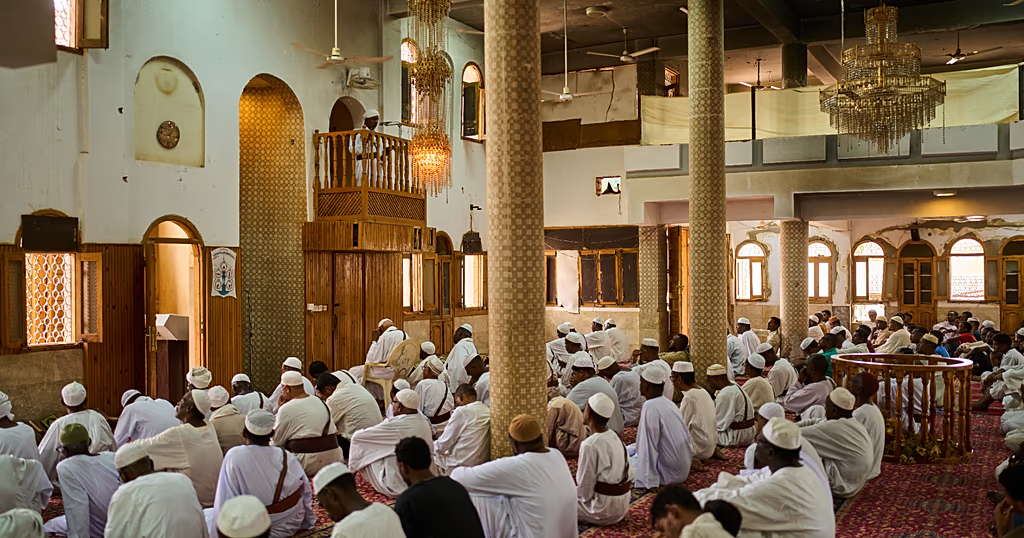
The article highlights the resilience of the Gharib Allah Sufi mosque in Khartoum, Sudan, which has been a critical point of refuge during the country’s civil war for nearly two years. Despite the ongoing conflict, the mosque has remained operational, serving as a shelter, hospital, and safe place for the local community. The brief closure in 2025 was due to heavy fighting in the area, but it quickly reopened to continue providing assistance. This article underscores the critical role of such community institutions during times of crisis and the importance of their continued operation for the well-being of the population.
Key Points:
- The Gharib Allah Sufi mosque in Khartoum served as a frontline during Sudan’s civil war, remaining open for over a century.
- The mosque briefly closed for safety reasons in 2025 due to heavy fighting but promptly reopened to continue serving the community.
- The mosque provided shelter, medical assistance, and a safe place for people during the conflict, highlighting its role as a critical community resource.
Actionable Takeaways:
-
Importance of Community Institutions During Crises: The article underscores the vital role of community institutions like the Gharib Allah Sufi mosque in providing essential services during times of conflict. This highlights the need for such institutions to be resilient and adaptable to continue serving their communities effectively.
-
Community Support in Conflict Zones: The mosque’s ability to remain open despite the dangers demonstrates the importance of community support systems in conflict zones. This can serve as a model for other institutions and startups in the travel and hospitality sector to develop similar support frameworks for travelers in volatile regions.
Contextual Insights:
The resilience of the Gharib Allah Sufi mosque during Sudan’s civil war reflects broader trends in the travel industry, particularly the increasing importance of community-centric services during crises. As travel becomes more globalized, there is a growing emphasis on supporting local communities and ensuring that travel services remain accessible even in conflict zones. This article aligns with current industry trends that prioritize community engagement and support, especially in the wake of geopolitical tensions and natural disasters. Startups and established players in the travel sector can leverage these insights to innovate in providing safe, reliable, and community-focused travel experiences, thereby enhancing their market relevance and customer trust.
Read the Complete Article.



