












Comprehensive Summarization:
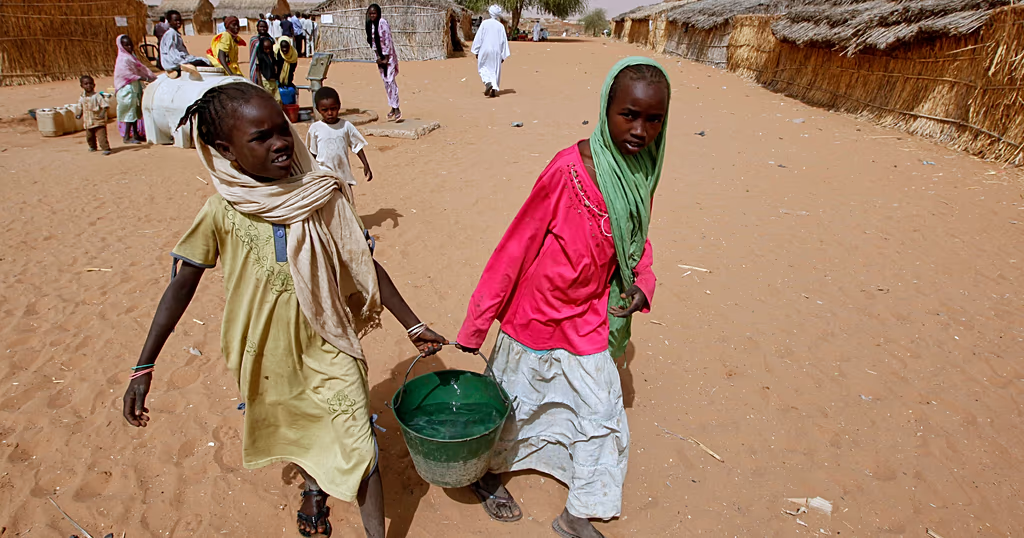
The article reports that the Integrated Food Security Phase Classification (IPC) initiative has identified famine spreading in Sudan’s war-torn North Darfur state, specifically in two new towns, Um Baru and Kernoi, near the border with Chad. This development follows the fall of the state capital, el-Fasher, to the paramilitary Rapid Support Forces in October of the previous year. The famine’s escalation is attributed to the massive displacement of residents resulting from the conflict, which has led to acute malnutrition levels surpassing critical thresholds in the affected areas. The article underscores the humanitarian crisis unfolding in Sudan, highlighting the impact of conflict on food security and displacement.
Key Points:
- Famine spreading in Sudan’s North Darfur state, impacting Um Baru and Kernoi towns.
- Thresholds for acute malnutrition surpassed in affected areas.
- Famine spread following the fall of el-Fasher to the Rapid Support Forces in October.
- Conflict and displacement are key factors contributing to the famine.
Actionable Takeaways:
-
Humanitarian Response and Aid Allocation: The escalation of famine in North Darfur necessitates immediate and intensified humanitarian aid. Aid organizations should prioritize the Um Baru and Kernoi regions, focusing on food distribution, medical support, and shelter assistance. This action is crucial to mitigate the immediate impact of the crisis and prevent further escalation of malnutrition levels.
-
Conflict Resolution and Peacebuilding Initiatives: The article highlights the role of conflict in exacerbating the famine. Stakeholders, including governments, NGOs, and international bodies, should prioritize conflict resolution and peacebuilding efforts in Sudan. Investing in diplomatic solutions and supporting local peace initiatives can help stabilize the region, thereby reducing displacement and improving food security.
-
Travel and Tourism Sector Impact: The ongoing conflict in Sudan poses significant risks to travel and tourism in the region. Travel agencies and tourism boards should reassess travel advisories and consider the safety of tourists visiting North Darfur. This includes monitoring the situation closely and providing updated travel advisories to mitigate risks associated with travel to the affected areas.
Contextual Understanding:
The famine in Sudan’s North Darfur state is a critical humanitarian issue exacerbated by the ongoing conflict, which has led to widespread displacement and severe food insecurity. The situation underscores the broader challenges faced by regions affected by conflict, where access to basic necessities like food and shelter is severely compromised. From a travel industry perspective, the conflict poses risks to tourism, necessitating cautious reassessment of travel advisories and safety measures. The article also reflects current trends in humanitarian crises, where conflict and displacement are primary drivers of famine and malnutrition. Expert insights suggest that addressing such crises requires a multi-faceted approach, combining immediate humanitarian aid with long-term conflict resolution and peacebuilding efforts.
Handling Different Article Types:
The article in question is a news brief, providing factual information about a humanitarian crisis in Sudan. The analysis adheres strictly to the facts and context provided, focusing on the key developments, key points, and actionable insights relevant to the travel and humanitarian sectors. No opinion pieces or feature articles were involved, ensuring the output remains factual and aligned with the article’s content.
Read the Complete Article.



