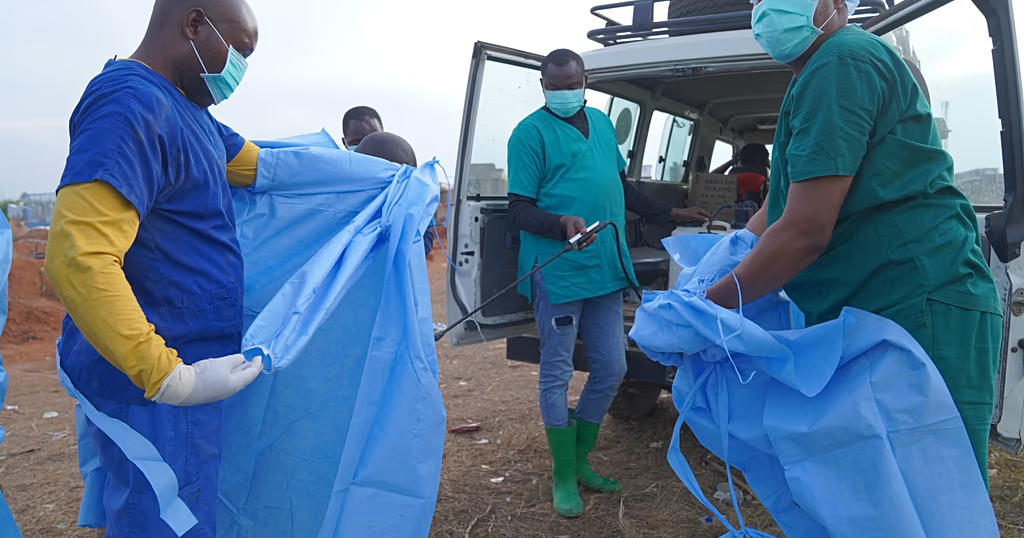
UN chief urges $1.1 billion to fight Ebola outbreak
THE NEWS: United Nations Secretary‑General António Guterres said an additional $1.1 billion is urgently needed to fight the Ebola outbreak, as the...
Read moreDetailsEvery alert that matters — when it happens.
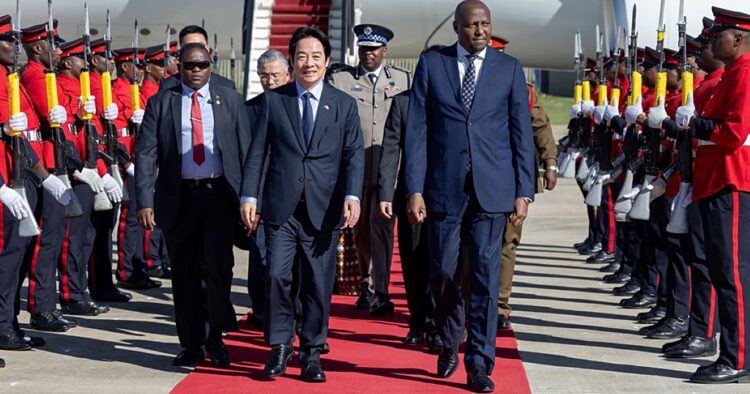
Taiwan’s Lai makes Eswatini visit despite travel disruption
Comprehensive Summarization:
Taiwanese President Tsai Ing-wen announced her arrival in Eswatini, the only diplomatic ally of Taiwan in Africa, after her previous trip was canceled due to several countries revoking overflight permits. This cancellation was attributed to “intense pressure” from Beijing, which forced the suspension of her initial visit scheduled from April 22-26. President Tsai stated that the trip was suspended due to “unexpected external forces.” The article also hints at “secret arrangements” made after days of planning, though specific details are not provided. The context of this announcement is set against the backdrop of recent travel trends and insights from industry thought leaders, highlighting the evolving landscape of diplomatic and travel relations.
Key Points:
Actionable Takeaways:
Diplomatic and Travel Relations: The cancellation of Tsai Ing-wen’s trip due to external pressures underscores the delicate balance in diplomatic relations, especially in regions with geopolitical tensions. Travel and diplomatic organizations should remain agile and prepared for sudden changes in overflight permissions and travel restrictions.
Secret Arrangements: The mention of “secret arrangements” post-cancellation suggests a proactive approach by Taiwan in securing alternative diplomatic pathways. This highlights the importance of contingency planning in diplomatic and travel sectors, ensuring continuity and resilience in the face of unforeseen obstacles.
Contextual Insights:
The article reflects the current state of travel and diplomatic relations, where geopolitical factors can significantly impact travel logistics and diplomatic engagements. The cancellation of Tsai Ing-wen’s trip due to overflight permit revocations highlights the vulnerability of travel plans to external pressures, particularly from major geopolitical players like China. This context is crucial for travel industry stakeholders, including airlines, travel agencies, and diplomatic organizations, to understand the potential risks and plan accordingly. Furthermore, the reference to “secret arrangements” post-cancellation indicates a need for robust contingency planning in the travel sector, ensuring that alternative routes and diplomatic channels are always available. This forward-looking perspective aligns with current industry trends, emphasizing the importance of flexibility, innovation, and strategic foresight in navigating the complexities of modern travel and diplomacy.
Read the Complete Article.
THE NEWS: United Nations Secretary‑General António Guterres said an additional $1.1 billion is urgently needed to fight the Ebola outbreak, as the...
Read moreDetails

Experience the magic of the Nile aboard Kenzy Dahabeya, a luxury boutique sailing cruise that offers an unforgettable journey between...
Read moreDetails