






No products in the cart.
- Latest
- Trending

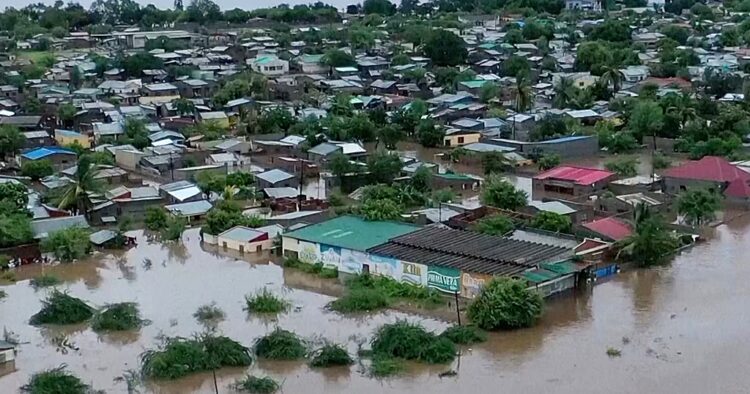
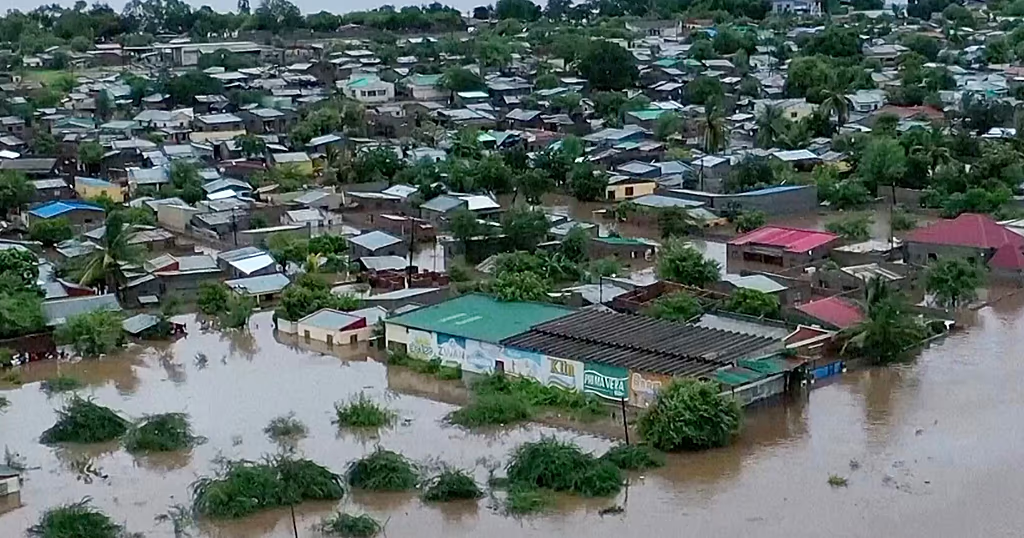
Dozens of people killed in torrential rains and floods across southern Africa
Comprehensive Summarization:
At least eight people have died in Mozambique since December 21 due to heavy rainfall, according to the National Institute for Disaster Management (INGD). The Southern African country has experienced weeks of heavy rain, with residents of low-lying areas near the capital, Maputo, advised to move to higher ground. Over 230,000 people have been affected by the flooding, as reported by the UN’s migration agency. Mozambican President Daniel Chapo stated that the situation is still being assessed, with rescue operations underway and food aid being distributed. The article does not provide additional travel trends or insights, focusing solely on the current disaster situation in Mozambique.
Key Points:
Actionable Takeaways:
Emergency Response Preparedness: The situation in Mozambique underscores the importance of robust emergency response systems in disaster-prone regions. Travel companies and tourism boards should ensure they have contingency plans in place for similar scenarios, including evacuation procedures and communication strategies to keep travelers informed and safe.
International Aid Coordination: The involvement of the UN’s migration agency in distributing food aid highlights the necessity for coordinated international aid efforts during natural disasters. Travel and hospitality businesses can benefit from partnerships with humanitarian organizations to provide support and resources to affected communities, enhancing their corporate social responsibility (CSR) initiatives.
Contextual Insights:
The article reflects the ongoing challenges faced by Mozambique in managing natural disasters, particularly heavy rainfall and flooding. This context is crucial for understanding the resilience and preparedness of the country’s infrastructure and emergency services. In the broader travel industry, such events emphasize the need for adaptive travel planning and risk management strategies. Travel startups and fintech innovations can leverage these challenges to develop solutions that enhance traveler safety and support recovery efforts. For instance, mobile applications that provide real-time updates on disaster conditions, facilitate emergency communication, and assist in coordinating relief efforts could be particularly impactful. Additionally, the integration of predictive analytics to forecast and mitigate the impact of such disasters could become a significant trend in the travel tech sector.
Read the Complete Article.
Get curated travel AI insights — choose the newsletters that matter to you.
This spot is reserved for brands with a compelling story for the travel trade. They use this space to cut...
Read moreDetailsTravel One Technologies launches the world’s first Traveler DNA Platform, targeting the structural data gap at the core of an...
Read moreDetails