








No products in the cart.
- Latest
- Trending

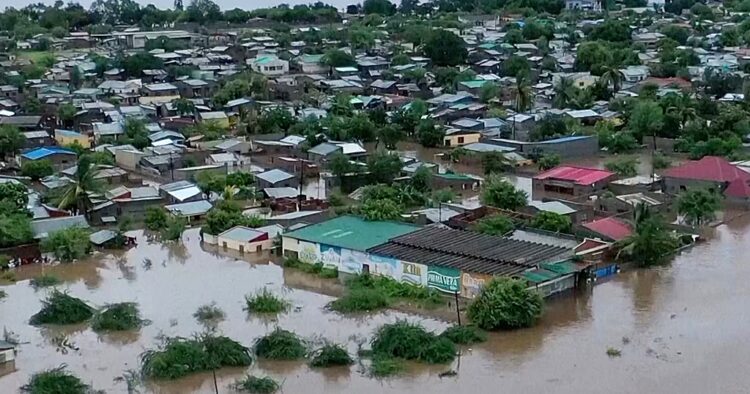
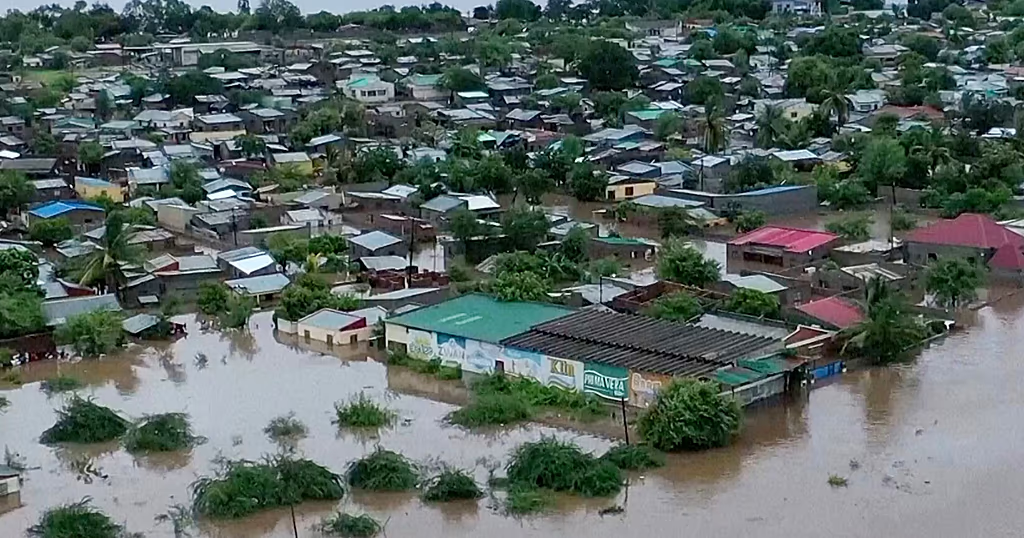
Dozens of people killed in torrential rains and floods across southern Africa
Comprehensive Summarization:
The article reports on severe flooding in Mozambique since December 21, resulting in at least eight deaths. The Southern African country has experienced weeks of heavy rainfall, prompting residents in low-lying areas near the capital, Maputo, to relocate to higher ground. Over 230,000 people have been affected by the flooding, according to the UN’s migration agency. Mozambican President Daniel Chapo confirmed ongoing rescue operations and food aid distribution, emphasizing that the situation is still being assessed. The article underscores the gravity of the flooding and the humanitarian response required.
Key Points:
Actionable Takeaways:
Humanitarian Response and Preparedness: The article highlights the need for robust humanitarian responses to natural disasters. Travel companies and NGOs should invest in advanced forecasting systems and emergency response protocols to mitigate the impact of such events on vulnerable populations. This takeaway is crucial for travel startups focusing on disaster management and humanitarian aid logistics.
Infrastructure Resilience: The flooding in Mozambique underscores the importance of infrastructure resilience in travel destinations. Travel companies should advocate for and invest in infrastructure improvements, such as flood defenses and improved drainage systems, to protect tourist areas. This is particularly relevant for travel startups in the tourism sector, where infrastructure reliability directly impacts customer safety and satisfaction.
Contextual Insights:
The flooding in Mozambique is a stark reminder of the increasing frequency and severity of natural disasters, exacerbated by climate change. This event aligns with broader travel industry trends focusing on sustainability and resilience. Thought leaders in the travel sector are increasingly emphasizing the importance of climate-resilient travel planning and destination management. Innovations in travel tech, such as real-time weather monitoring and adaptive travel itineraries, are becoming essential tools for mitigating risks associated with extreme weather events. Startups focusing on climate data analytics and predictive modeling can play a pivotal role in enhancing travel safety and operational efficiency. The article also reflects the growing importance of fintech solutions in managing travel-related expenses during crises, such as emergency fund management and insurance claims processing.
Read the Complete Article.
Get curated travel AI insights — choose the newsletters that matter to you.
This spot is reserved for brands with a compelling story for the travel trade. They use this space to cut...
Read moreDetailsTravel One Technologies launches the world’s first Traveler DNA Platform, targeting the structural data gap at the core of an...
Read moreDetails