
UN chief urges $1.1 billion to fight Ebola outbreak
THE NEWS: United Nations Secretary‑General António Guterres said an additional $1.1 billion is urgently needed to fight the Ebola outbreak, as the...
Read moreDetailsEvery alert that matters — when it happens.
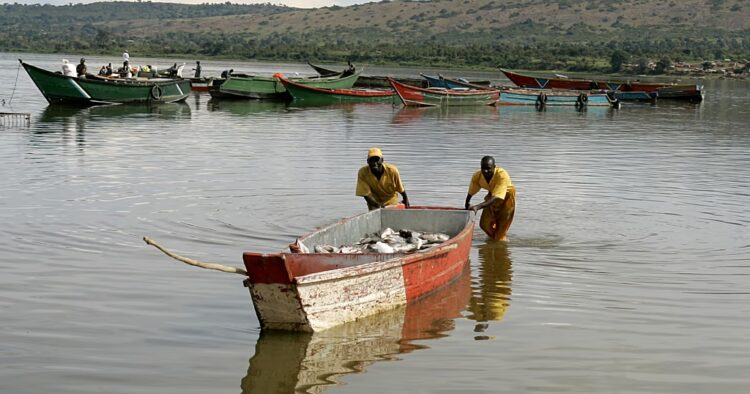
Dozens still missing in Uganda river boat accident as search resumes
Comprehensive Summarization:
On Tuesday night, a boat capsized on the Nguse River in western Uganda, resulting in the potential loss of 30 lives. The vessel reportedly carried between 35 and 40 passengers, though the exact number could not be confirmed due to the absence of a passenger manifest. Conflicting reports indicate that about eight people managed to swim to safety. Families of the missing are anxiously awaiting news, while rescuers continue to recover bodies from the river. This incident underscores the ongoing challenges in ensuring maritime safety and the importance of accurate passenger information in maritime operations.
Key Points:
Actionable Takeaways:
Enhanced Passenger Manifestation Systems: The incident highlights the critical need for robust passenger manifest systems in maritime operations. Implementing advanced tracking and verification systems could significantly improve safety and accountability in such emergencies. This is particularly relevant for travel startups focusing on maritime safety technologies and could drive innovation in the fintech sector by providing insurance solutions tailored to maritime risks.
Improved Communication Protocols: The conflicting reports underscore the importance of clear and consistent communication protocols during maritime emergencies. Establishing standardized communication channels and protocols can help ensure accurate information dissemination, which is crucial for rescuers and affected families. This insight is valuable for travel tech companies developing communication platforms for maritime operations and could influence industry standards for emergency response coordination.
Investment in Maritime Safety Technologies: The challenges faced in this incident suggest a potential market opportunity for travel tech companies to invest in and develop advanced maritime safety technologies. Innovations such as real-time tracking systems, automated safety checks, and improved rescue coordination tools could enhance maritime safety and provide a competitive edge in the travel industry. This takeaway is particularly relevant for startups in the fintech sector, as it could lead to new revenue streams through insurance and risk management services.
Contextual Understanding:
The article reflects the ongoing challenges in maritime safety, particularly in regions with limited resources for maritime regulation and emergency response. The incident on the Nguse River highlights the critical need for improved passenger tracking systems and effective communication protocols to ensure the safety of passengers and facilitate timely rescue operations. These challenges are not unique to Uganda and are reflective of broader issues in the global travel industry, where maritime safety remains a significant concern.
In the context of current travel trends, the incident underscores the importance of technological innovation in enhancing safety and operational efficiency. The travel industry is increasingly focusing on leveraging technology to address safety concerns and improve passenger experiences. Thought leaders in the travel sector emphasize the need for continuous investment in safety technologies and standardized protocols to mitigate risks and build trust among travelers.
Moreover, the incident highlights the potential for travel tech companies to play a pivotal role in addressing maritime safety challenges. By developing advanced tracking, communication, and rescue coordination technologies, these companies can contribute to safer maritime operations and provide valuable services to the travel industry. This aligns with the growing trend of integrating technology into travel services to enhance safety, efficiency, and customer satisfaction.
Handling Different Article Types:
The article in question is a news blurb, providing factual information about a recent maritime incident. The structured output format is designed to accommodate such content, ensuring that the summary, key points, and actionable takeaways are concise and directly sourced from the article. This approach ensures that the information is clear, informative, and suitable for a professional audience, facilitating easy integration into reports, presentations, or other professional materials.
Read the Complete Article.
THE NEWS: United Nations Secretary‑General António Guterres said an additional $1.1 billion is urgently needed to fight the Ebola outbreak, as the...
Read moreDetails

Experience the magic of the Nile aboard Kenzy Dahabeya, a luxury boutique sailing cruise that offers an unforgettable journey between...
Read moreDetails




![People are seen in Myeongdong, central Seoul, on April 29. [YONHAP]](https://images.traveltrade.today/wp-content/uploads/2026/05/Super-Golden-Week-Surge-in-Tourists-Forecast-Amid-Extended-Holiday.jpg)