
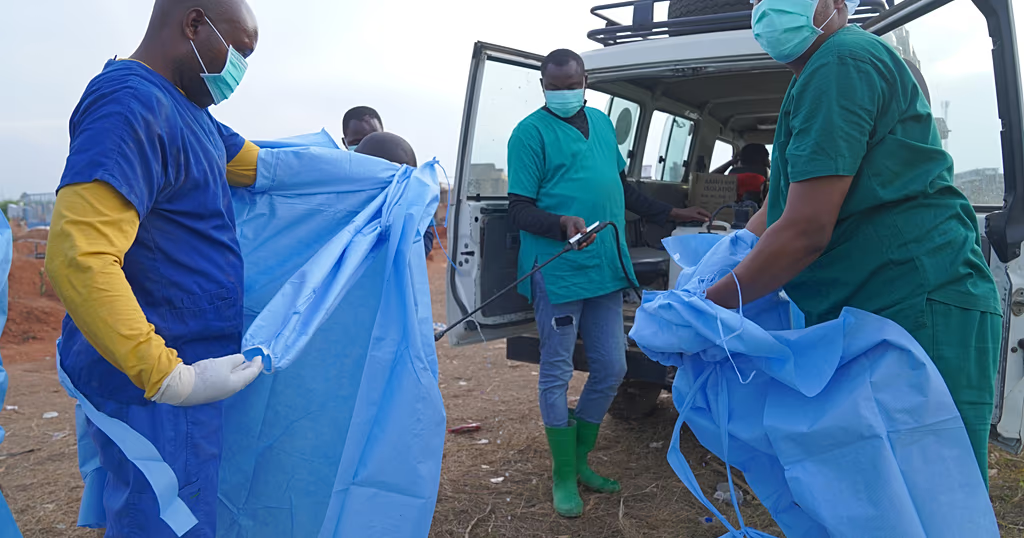
UN chief urges $1.1 billion to fight Ebola outbreak
THE NEWS: United Nations Secretary‑General António Guterres said an additional $1.1 billion is urgently needed to fight the Ebola outbreak, as the...
Read moreDetailsEvery alert that matters — when it happens.

Deadly border clash between Ugandan and South Sudanese troops highlights ongoing tensions
A recent, fatal clash between Ugandan and South Sudanese troops along their shared border has sharply illuminated the simmering tensions and persistent security challenges in the region. The incident, which resulted in significant casualties, underscores the fragility of peace and the urgent need for de-escalation and diplomatic solutions.
The confrontation reportedly occurred in the disputed Ilemi Triangle, an area with a history of territorial disagreements and resource competition. While official figures are still being confirmed, preliminary reports indicate that several soldiers from both nations lost their lives and others sustained injuries. The exact circumstances leading to the outbreak of hostilities remain under investigation, but the clash highlights the volatile nature of border management and the potential for localized incidents to escalate into wider security concerns.
This border area is strategically important, often cited for its potential mineral wealth and grazing land, which can become points of contention between communities and national security forces. The presence of armed groups and the porous nature of the border further complicate efforts to maintain stability. South Sudan, in particular, has been grappling with internal security issues following years of civil conflict, and any external friction can exacerbate these challenges.
Uganda, while generally more stable, is also deeply invested in regional security, often acting as a key player in peacekeeping efforts and bilateral security cooperation. The Ugandan People’s Defence Force (UPDF) maintains a significant presence in border regions to counter threats such as illegal cross-border activities and insurgent groups. This latest incident raises questions about the effectiveness of existing border surveillance and early warning mechanisms.
The international community is closely monitoring the situation, with calls for restraint and a peaceful resolution. Diplomatic channels are expected to be activated to prevent further escalation and to address the underlying causes of the tensions. Such clashes can have a ripple effect on cross-border trade, humanitarian aid delivery, and the overall well-being of communities living in the vicinity.
For the travel industry, particularly those operating in East Africa, such security incidents serve as a stark reminder of the need for up-to-date security assessments and contingency planning. While border regions may not be primary tourist destinations, instability can impact broader perceptions of regional safety. The focus will undoubtedly be on ensuring the safety of personnel and assets, and understanding the geopolitical implications of such events for regional stability and travel advisories. Addressing these security concerns through dialogue and robust border management strategies is paramount to fostering lasting peace and facilitating smoother regional interactions.
Read the Complete Article.
THE NEWS: United Nations Secretary‑General António Guterres said an additional $1.1 billion is urgently needed to fight the Ebola outbreak, as the...
Read moreDetails

Experience the magic of the Nile aboard Kenzy Dahabeya, a luxury boutique sailing cruise that offers an unforgettable journey between...
Read moreDetails





